
- PUBLISHED
Famous Mountains of Nepal: A Complete Guide for Trekkers
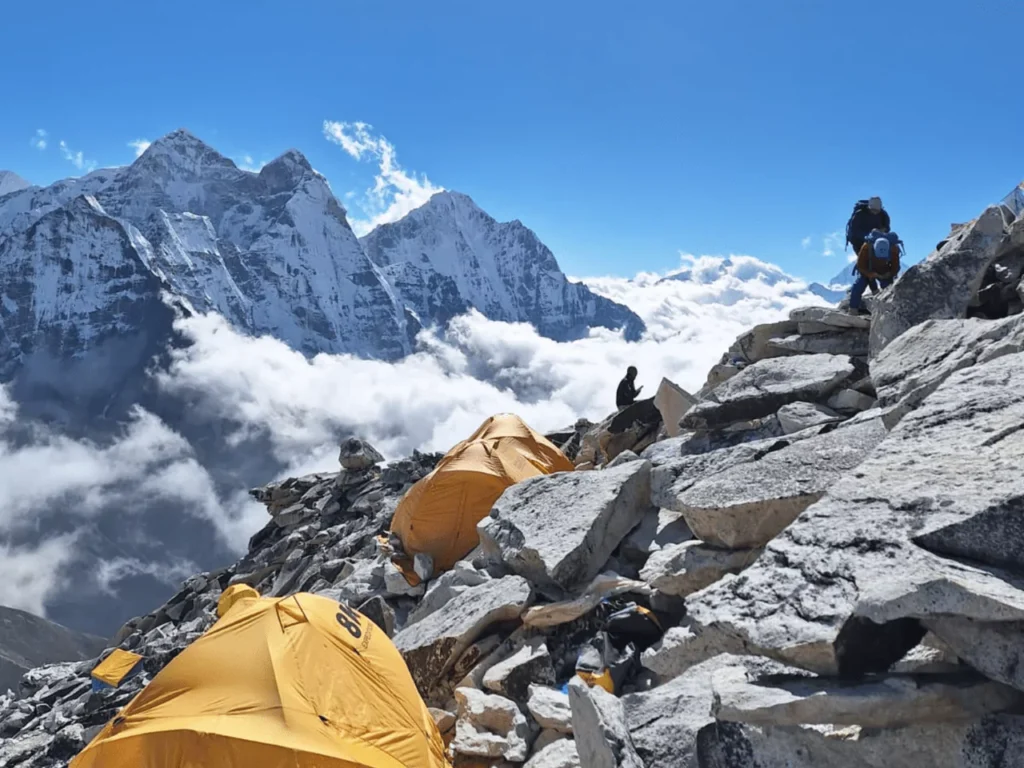
Nepal is a land hugged by the Himalayas, has some of the most majestic and stunning peaks on Earth. It attracts many adventurers, trekkers, and climbers from every corner of the globe. Its landscape offers a wide spectrum of treks, from short and accessible to demanding high-altitude adventures. Whether you’re chasing the thrill of Mount Everest or the Annapurna Range, each mountain range in Nepal is a trekker’s paradise.
In this guide, we’ll explore the most famous mountains of Nepal for those planning to conquer these incredible Himalayan giants.
Why Nepal is Known for Its Mountain Range
There are many mountains of Nepal that play a huge part in the greater Himalayan mountain range, making Nepal globally recognized as the land of the Himalayas. Home to eight of the fourteen highest peaks in the world. This country boasts eight 8,000-meter summits, including Mount Everest, Lhotse, Makalu, Cho Oyu, Dhaulagiri, and Manaslu, located near the Tibet border.
Making Nepal a perfect destination for trekking and peak climbing. With spectacular landscapes, rich flora and fauna, and trails that offer stunning views. Nepal’s mountain ranges stand as the ultimate adventure destination among foreigners and tourists.
Famous Mountains of Nepal
Nepal is a country surrounded by many mountain ranges, notably Mount Everest. However, other ranges in central Nepal also offer stunning views. From the iconic Annapurna range to remote gems like Mera Peak, the mountains of Nepal promise a once-in-a-lifetime experience for anyone seeking nature, challenge, and beauty that attract trekkers, climbers, and adventurers around the world. blo
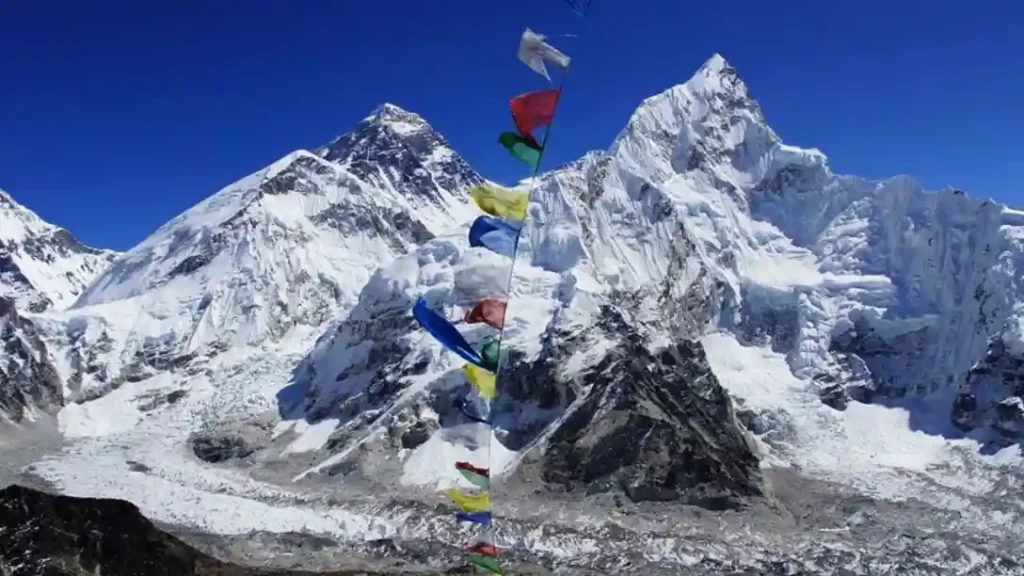
Mount Everest (8,848.86 m): The Highest Mountain in the World
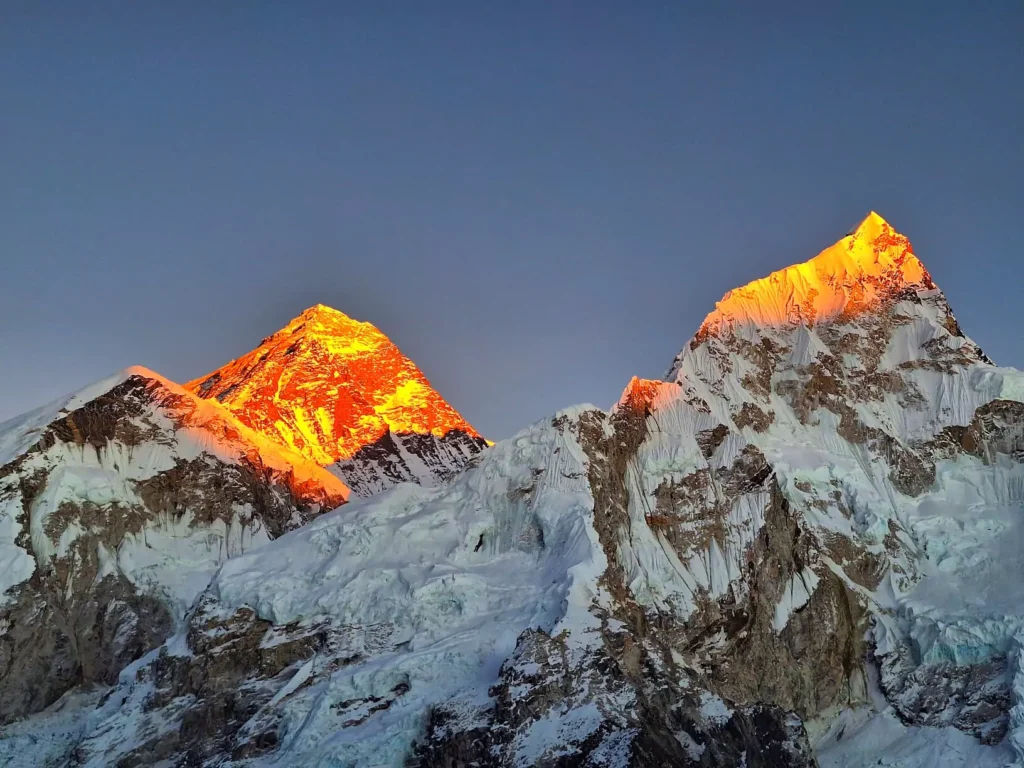
Mount Everest is the ultimate symbol of adventure and the dream of every mountaineer. Known locally as Sagarmatha and in Tibet as Chomolungma. Everest is one of the highest mountains of Nepal, standing at 8848.86m and is on every person’s bucket list.
The Everest Base Camp Trek is one of the most sought-after trekking experiences. This trek takes adventurers deep into the heart of the Khumbu region, passing through bustling Sherpa villages like Namche Bazaar and Tengboche, and offers stunning panoramic views of towering peaks. Along the way, you’ll encounter Sherpa culture, ancient monasteries, and breathtaking landscapes that make the trek as culturally enriching as it is scenic.
The climb to Everest lasts around two months. For climbers, summiting Everest is a test of endurance and skill, but even reaching base camp provides a profound sense of achievement.
Giants Near Everest
When it comes to the Himalayan range in Nepal, it does not end with Mount Everest. There are other best peaks to climb that surround the world’s tallest peak; here are some of the mountains.
- Lhotse – The Fourth-Highest Mountain: Lhotse (8,516 m) is the fourth-highest peak in the world and a goal even for elite climbers. The name Lhotse means “South Peak” in Tibetan, and it shares a significant portion of its climbing route with Everest up to the South Col. However, summiting Lhotse requires diverging onto a notoriously steep and icy face, making it a technical and physically demanding climb.
- Makalu – The Pyramid of the Himalayas: Makalu (8,485 m) is a striking peak recognized for its sharp, pyramid-like shape. It is the fifth-highest mountain in the world. Its isolated position near the Tibet border and steep ridges expose climbers to face exposure to harsh weather, technical rock climbing sections, and extreme altitude. Despite its difficulty, Makalu rewards those who conquer it with sweeping views of Everest and the surrounding giants.
- Cho Oyu – The Turquoise Goddess: Cho Oyu (8,188 m) is often recognized as the “Turquoise Goddess” for its serene beauty and shimmering ice walls. Unlike Makalu, Cho Oyu is considered one of the more accessible summits, making it a popular choice for climbers for their first experience at extreme altitude. From the summit, the panorama includes Everest, Lhotse, and countless peaks stretching into Tibet and Nepal.
Annapurna Range: Cluster of Peaks
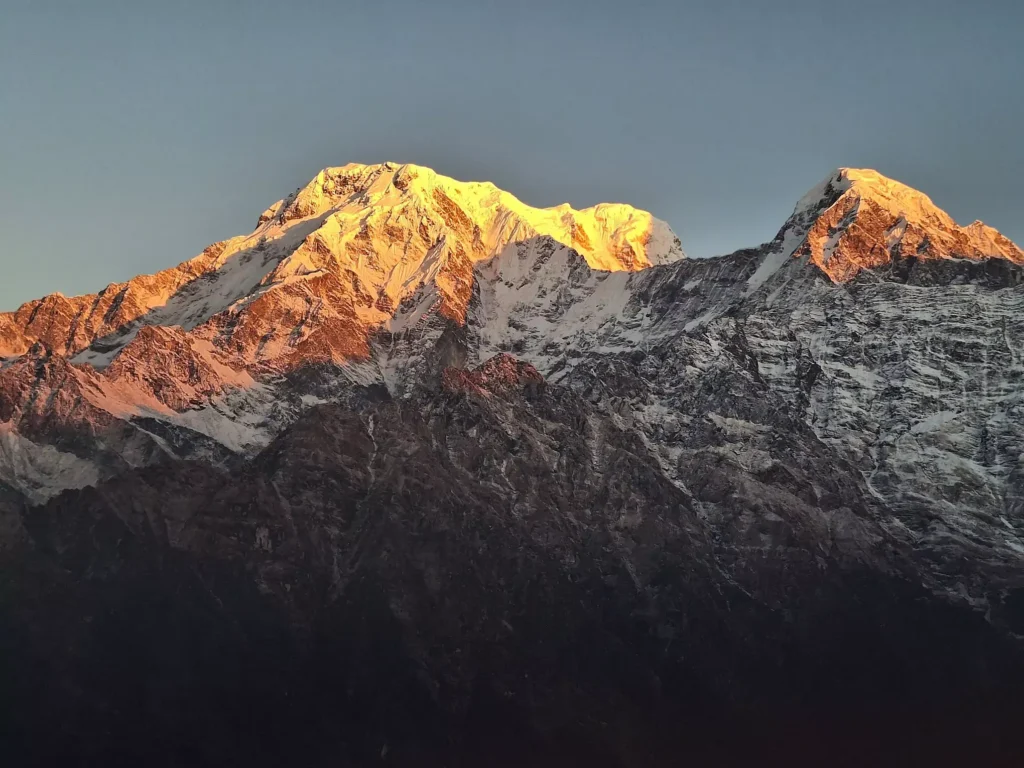
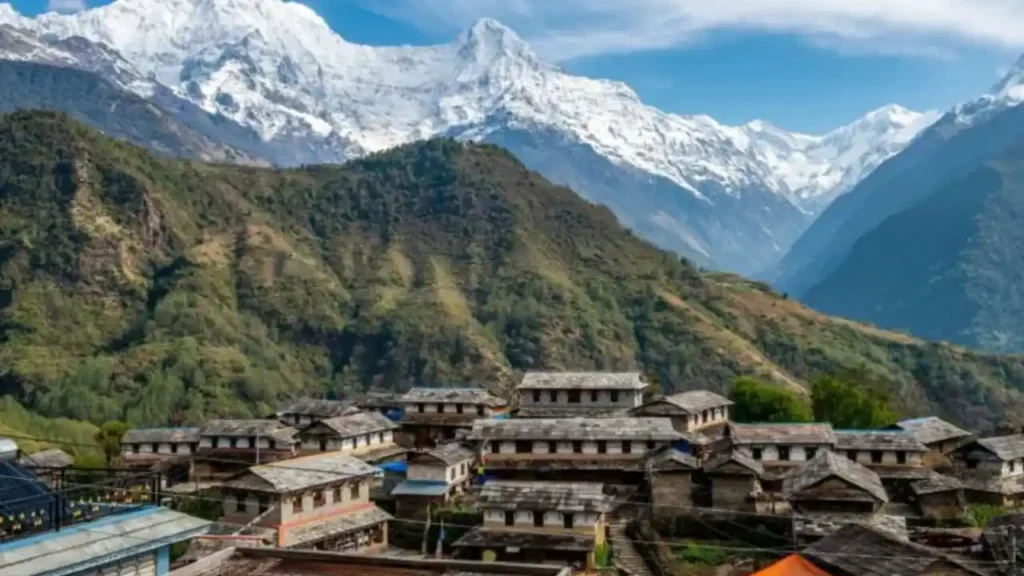
The Annapurna Range is one of the most celebrated mountain ranges in the Himalayas. It includes Annapurna I (8,091 m), the 10th-highest mountain in the world, along with Annapurna II, III, and IV, Gangapurna, and Machapuchare.
The Annapurna Base Camp Trek is world-renowned for its spectacular scenery, cultural richness, and accessibility. Trekkers journey through terraced fields, lush rhododendron forests, and alpine meadows, all while experiencing warm hospitality in traditional Gurung and Magar villages. This trek offers stunning views of the Annapurna range and neighbouring peaks like Machapuchare, Hiunchuli, and Gangapurna.
Another classic route in this region is the Annapurna Circuit, which traverses the peak and crosses the challenging Thorong La Pass, offering breathtaking scenery at every step.
Manaslu (8,163 m): Mountain of the Spirit
Manaslu (8,163 m) is the eighth-highest mountain in the world. This majestic peak rises in the Gorkha region of Nepal, near the Tibetan border. It is known for its dramatic ridges, glacial valleys, and serene trails.
Unlike the busier Everest and Annapurna routes, the Manaslu Circuit Trek remains relatively untouched, making it perfect for adventurers who prefer solitude and an authentic Himalayan experience. The trek around Manaslu takes you through remote villages, ancient monasteries, and culturally rich Tibetan-influenced communities. You also get to traverse the Larkya La Pass (5,106 m), one of the most beautiful passes in Nepal, offering panoramic views of Manaslu and neighbouring peaks like Himlung and Annapurna.
With its blend of raw beauty, cultural heritage, and physical challenge, Manaslu is a true gem for seasoned trekkers.
Dhaulagiri (8,167 m): White Mountain
Dhaulagiri is the seventh-highest peak in the world, rising to 8,167 meters. Located west of the Annapurna range, Dhaulagiri dominates the horizon with its imposing snow-clad slopes and rugged ridgelines. Its sheer size and spectacular beauty make it one of the most dramatic mountains in Nepal.
For trekking enthusiasts, the Dhaulagiri Circuit offers a thrilling and challenging adventure. The route traverses remote valleys, crosses high-altitude passes like the French Pass and Dhampus Pass, and ventures into the wild and untouched landscapes of western Nepal. The trek demands excellent fitness and mountaineering skills, but in return, it rewards adventurers with unparalleled views of Dhaulagiri, Annapurna, and beyond.
Mera Peak: A Perfect Trekking Peak
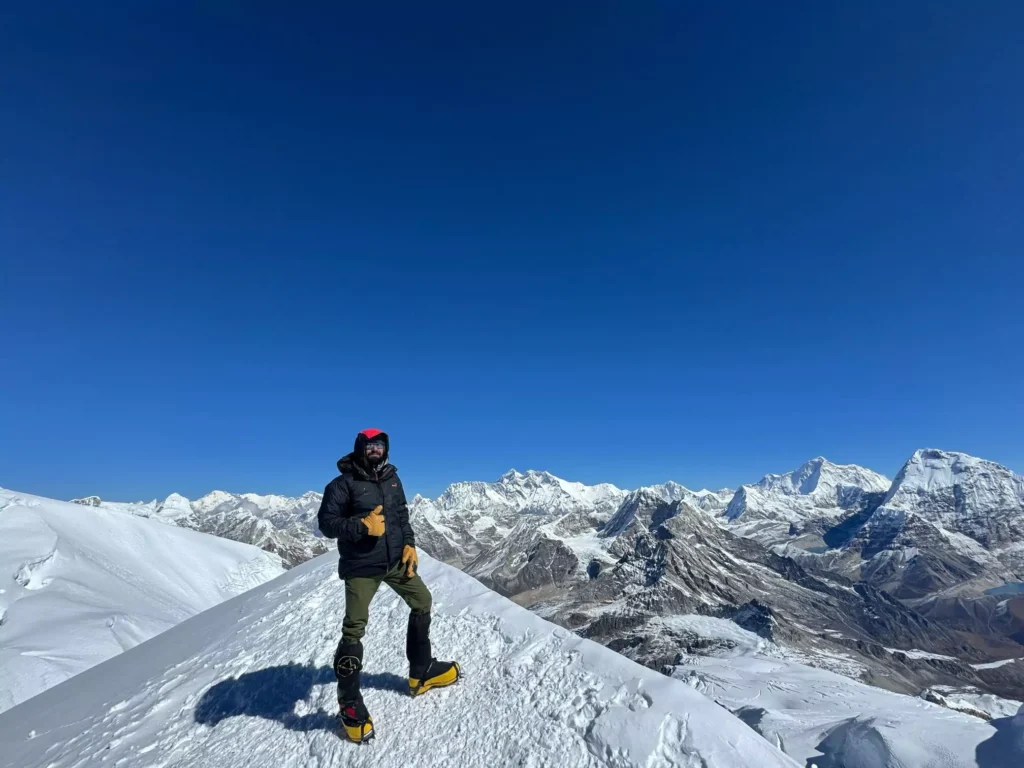
Mera Peak (6,476 m) is an excellent choice for those seeking to prepare for high-altitude climbing. It is the highest trekking peak in Nepal, offering a thrilling experience without the extreme technical difficulty of the world’s tallest mountains. Situated in the Khumbu region, Mera Peak attracts adventurers looking for a safe but exhilarating Himalayan ascent.
Climbers who reach its summit are rewarded with an awe-inspiring 360-degree panorama of some of the highest peaks in the world, including Everest, Lhotse, Makalu, Cho Oyu, and even Kanchenjunga on the far horizon. The journey to Mera Peak also includes trekking through remote valleys, pristine forests, and traditional Sherpa villages, providing both cultural immersion and natural beauty.
Best Time to Explore the Mountains of Nepal
Nepal is home to some of the highest peaks in the world, is a dream destination for trekkers and mountaineers. Planning your trek according to the best season ensures you enjoy safe trails, breathtaking scenery, and cultural experiences across the regions of Nepal.
Spring (March–May)
Spring is one of the most spectacular seasons to explore Nepal’s mountain range. During these months, the skies are clear, which offers stunning views of the snow-capped summits. Moderate temperatures make daytime trekking comfortable.
Autumn (September–November)
Autumn is widely considered the peak trekking season in Nepal, attracting adventurers from all over the world. The air becomes crisp and clean, giving majestic panoramic visibility of the mountains of Nepal. Treks are especially rewarding now, as this mountain range offers stable weather for both trekkers and climbers.
Winter (December–February)
Although colder temperatures limit high-altitude trekking, winter offers serene, snow-covered landscapes and fewer crowds. Winter can provide ideal conditions for technical climbs, though it is generally recommended only for experienced mountaineers.
Monsoon (June–August)
The monsoon season brings heavy rains that make trails slippery and cloud-covered, obscuring the highest peaks and the mountains of Nepal. This time is perfect for exploring lower-altitude regions and enjoying a quieter, more intimate experience of Nepal’s mountain range.
Conclusion
The mountains of Nepal aren’t just the highest peaks on Earth. They are the gateways to adventure, culture, and natural beauty. From the Annapurna Range to the mighty Everest, every trek offers stunning views and unforgettable moments. BeThere help you choose which trek to climb between the classic Everest Base Camp trek, the scenic Annapurna Base Camp trek, or Mera Peak.
Explore the breathtaking mountains of Nepal and make your trekking dreams a reality. Contact us and start planning your unforgettable Himalayan journey!
Table of Content
Frequently Asked Questions
What are the highest peaks in Nepal?
Nepal is home to some of the highest peaks in the world, including:
- Mount Everest – the highest mountain in the world
- Lhotse – the fourth-highest peak
- Makalu – the fifth-highest mountain
- Cho Oyu – known as the Turquoise Goddess
- Dhaulagiri – the White Mountain
- Manaslu – the Mountain of the Spirit
- Annapurna I – part of the Annapurna Range
When is the best time to trek in Nepal?
The best time to trek the mountains of Nepal is:
- Spring (March–May): Clear skies, blooming rhododendron forests, moderate temperatures, and ideal for treks like the Everest Base Camp Trek, Annapurna Base Camp Trek, and Mera Peak.
- Autumn (September–November): Crisp air, panoramic visibility, stable weather, and perfect for photography and high-altitude trekking.
What is the Annapurna Base Camp Trek?
The Annapurna Base Camp Trek takes trekkers through the Annapurna Range and Annapurna Massif in central Nepal, passing alpine meadows, lush rhododendron forests, and traditional Gurung and Magar villages. The trail offers stunning views of surrounding peaks, including Machapuchare, Hiunchuli, and Annapurna I.
Is Mera Peak suitable for beginner climbers?
Yes, Mera Peak (6,476 m) is the highest trekking peak in Nepal and is considered suitable for climbers preparing for higher altitudes. The trek provides panoramic views of Everest, Lhotse, Makalu, Cho Oyu, and other peaks in the world, while also offering cultural immersion through traditional Sherpa villages.
How difficult is climbing Mount Everest?
Climbing Mount Everest, the highest mountain in the world, is extremely challenging and requires months of preparation. However, trekking to Everest Base Camp provides a safe yet exhilarating experience with close-up views of the world’s tallest mountain range and exposure to Sherpa culture.
Are there lesser-known trekking regions in Nepal?
Yes, aside from popular routes like Everest and Annapurna, central Nepal and the Manaslu region offer less crowded trails. Treks around Manaslu (8,163 m) pass through remote villages and Tibetan-influenced communities, providing authentic experiences with panoramic views of nearby highest peaks.

Recent Blogs
Need help choosing a trail?
Connect with a local and plan your perfect trek.