
- PUBLISHED
Annapurna Base Camp Trek Difficulty: How Hard Is It Really?
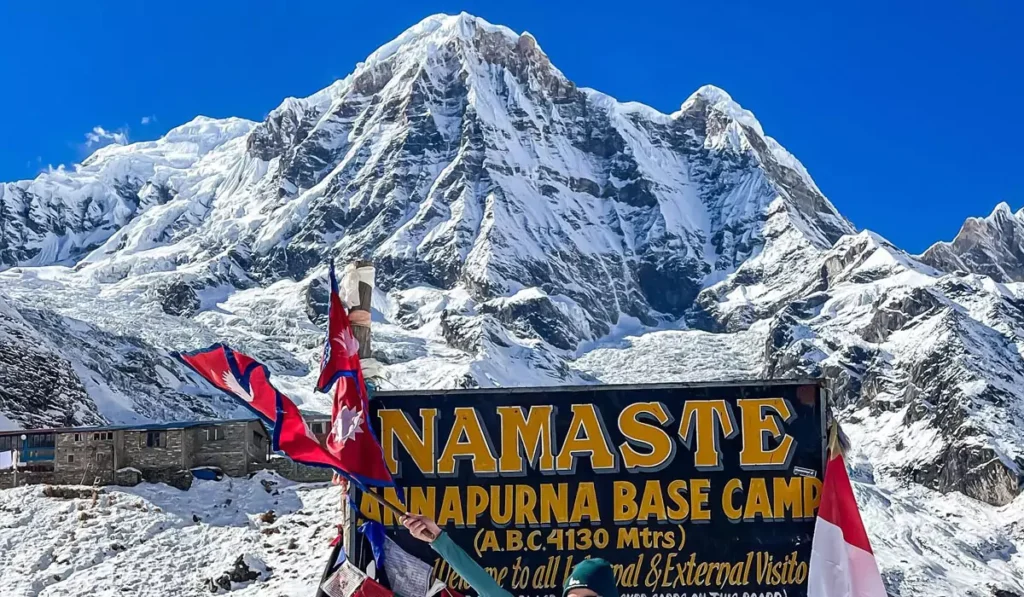
The Annapurna Base Camp (ABC) trek is one of Nepal’s most famous Himalayan journeys. Every year, thousands of trekkers take this trail to witness the jaw-dropping 360° views of Annapurna I, Machapuchare (Fishtail), and other towering peaks. With lush forests, quaint villages, and dramatic mountain scenery, the ABC trek is a dream for adventurers.
But before setting out, it’s important to understand the Annapurna Base Camp trek difficulty level. While this trek is considered moderately challenging, the experience can vary depending on fitness, preparation, and whether you prefer trekking vs hiking. Knowing what to expect will help you enjoy the journey to its fullest.
Key Takeaways
- Annapurna Base Camp (ABC) is one of the most rewarding trekking destinations in Nepal.
- The trek offers breathtaking views of Annapurna and Machhapuchhre, diverse landscapes, and cultural experiences.
- Understanding the Annapurna Base Camp altitude and its challenges is essential to prepare for altitude sickness.
- Trek difficulty varies depending on fitness, experience, and daily elevation gain.
What is ABC Altitude Sickness?
ABC altitude sickness, also known as Acute Mountain Sickness (AMS), occurs when the body struggles to adapt to lower oxygen levels at higher altitudes. During the Annapurna Base Camp trek, symptoms may begin to appear above 3,000 meters, especially after reaching Machhapuchhre Base Camp.
Common symptoms include:
- Headache
- Nausea or loss of appetite
- Fatigue and dizziness
- Difficulty sleeping
How to prevent altitude sickness:
- Ascend gradually and follow the itinerary
- Stay hydrated and avoid alcohol
- Eat well and maintain energy levels
- Take rest days seriously
Descend immediately if symptoms worsen
Where is Annapurna Base Camp?
Annapurna Base Camp lies within the Annapurna Conservation Area, about 40 kilometers north of Pokhara. The trek begins in the lush lower hills, where terraced rice fields and rhododendron forests dominate the landscape, before gradually ascending into alpine meadows and glacial valleys. Along the way, you’ll pass through picturesque villages such as Ghandruk, Chhomrong, and Sinuwa, where traditional stone houses and warm hospitality provide a glimpse into rural Himalayan life.
What makes the ABC trek unique is its diversity of scenery. In just a few days, you experience everything from subtropical forests to high-altitude glaciers. This rapid change in environment is one of the reasons trekkers often compare it with other scenic journeys like the Manaslu Expedition, though ABC remains more accessible in terms of distance and duration.
Annapurna Base Camp Trek Difficulty Level
The Annapurna Base Camp (ABC) Trek is generally classified as moderate to moderately challenging, making it an excellent choice for both beginners with good fitness and intermediate trekkers. Unlike technical expeditions such as the Ama Dablam Expedition, the ABC trek does not require advanced mountaineering skills or specialized climbing equipment. However, it does demand physical endurance, mental readiness, and proper preparation.
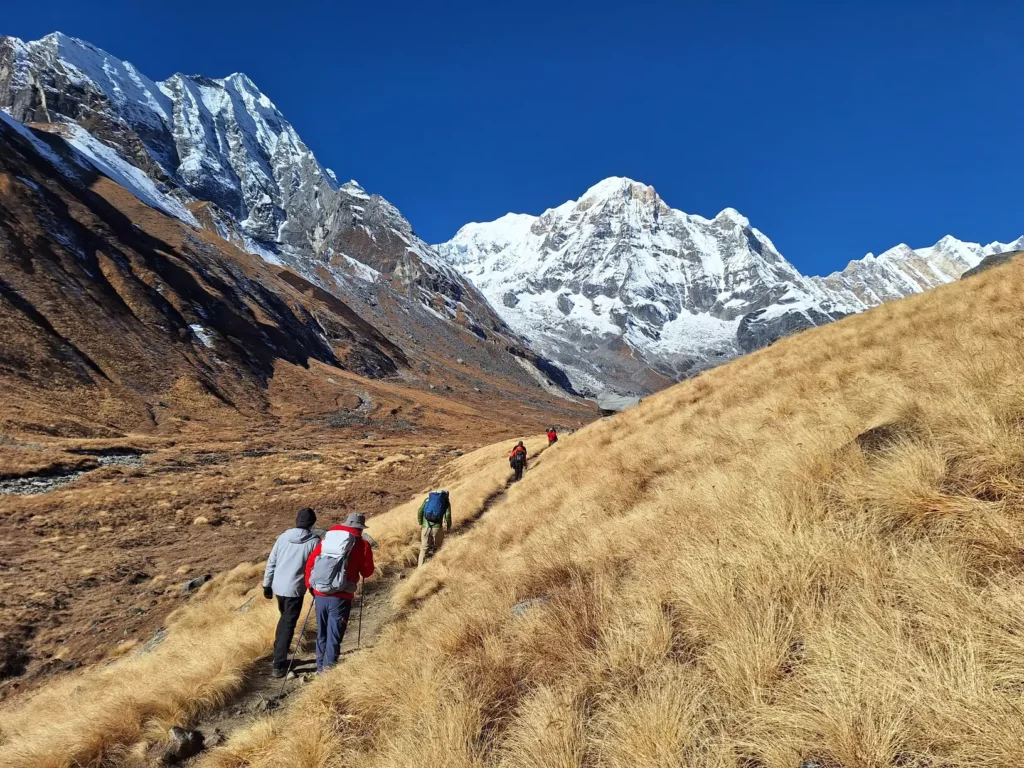
Trekkers should be prepared for long walking days of 5–7 hours, often on uneven and rugged trails. The route includes steep stone staircases, rocky paths, and gradual but continuous gains in altitude, which can be physically taxing. While the challenge is real, the difficulty lies more in stamina and consistency rather than technical skill. Proper pacing, staying well-hydrated, and allowing enough rest are essential to reduce fatigue and fully enjoy the journey.
For those comfortable with multi-day hikes, the ABC trek offers a rewarding balance between challenge and accessibility. As you ascend higher, breathtaking views of Annapurna South, Machhapuchhre (Fishtail), and other surrounding Himalayan peaks provide constant motivation and make every step worthwhile.
Key Factors Affecting Annapurna Base Camp Trek Difficulty
Several factors influence the overall difficulty level of the ABC trek:
- Daily Elevation Gain: Some trekking days involve steep ascents of over 1,000 meters, which can be demanding on the legs and lungs.
- Trail Conditions: Expect a mix of rocky paths, river crossings, forest trails, and stone steps, with terrain changing frequently.
- Altitude: Trekking above 3,000 meters increases the risk of altitude-related issues, making proper acclimatization crucial.
- Weather: Cold temperatures at higher elevations, along with possible rain or snowfall, can add to the challenge.
With adequate preparation, gradual acclimatization, and experienced guidance, most healthy trekkers can complete the Annapurna Base Camp Trek safely. Despite its moderate difficulty level, the trek rewards you with stunning Himalayan scenery, rich cultural experiences, and a deep sense of achievement, making it one of Nepal’s most memorable trekking adventures.
Factors That Affect Annapurna Base Camp Difficulty
1. Trek Duration and Distance
The standard ABC trek takes between 7 to 12 days, depending on the chosen itinerary. Covering approximately 110 kilometers round-trip, the trail requires stamina and consistency. Sections like Ulleri (3,000+ stone steps) and Chhomrong (a steep descent followed by a long climb) can be particularly tough on the legs.
2. Altitude and Acclimatization
The Annapurna Base Camp trek reaches a maximum elevation of 4,130 meters. While this is lower than popular peak climbing adventures like Mera Peak or other challenging Himalayan peaks, altitude sickness can still affect trekkers. Symptoms such as headaches, nausea, and fatigue may appear if you ascend too quickly.
3. Trail Conditions
The path varies from smooth forest trails to rocky ridges and stone staircases. During monsoon, mud and leeches are common, while winter brings snow and ice. These conditions can significantly influence how difficult the trek feels.
4. Weather and Seasons
Autumn (Sep–Nov) and spring (Mar–May) offer the best balance of stable weather, clear skies, and moderate temperatures. Monsoon season makes trails slippery and dangerous, while winter may bring freezing nights and blocked paths. Just like the best time for Manaslu Circuit Trek, timing your ABC trek properly reduces many of the challenges.
5. Mental Preparedness
Trekking for several days in a row requires mental strength. There may be moments of fatigue, bad weather, or discomfort in basic teahouses. Keeping a positive mindset is as important as physical fitness.
Annapurna Base Camp Elevation Height
The Annapurna Base Camp height is 4,130 meters (13,549 feet) above sea level. At this elevation, trekkers are rewarded with panoramic views of the Annapurna range, but they also face challenging weather conditions and cooler temperatures.
Understanding the ABC altitude helps trekkers prepare their fitness, gear, and trekking strategy. Proper acclimatization is essential for a safe and enjoyable experience.
Breakdown of Annapurna Base Camp Trek Elevation Gain by Day
Lorem ipsum dolor sit amet, consectetur adipiscing elit. Ut elit tellus, luctus nec ullamcorper mattis, pulvinar dapibus leo.
Day
Route
Elevation (meters)
01
Arrival in Kathmandu
1,350
02
Fly to Pokhara
820
03
Drive to Ulleri, Trek to Ghorepani
2,850
04
Hike to Poon Hill, Trek to Tadapani
3,210 → 2,610
05
Trek to Chhomrong
2,170
06
Trek to Dovan
2,600
07
Trek to Machhapuchhre Base Camp
3,700
08
Trek to Annapurna Base Camp
2,310
09
Trek Back to Bamboo
1,780
10
Trek to Jhinu Danda
1,780
11
Drive to Pokhara, Fly to Kathmandu
820 → 1,350
12
–
End of trek
Explore Related Blogs
Fitness and Preparation Tips for Annapurna Base Camp
Proper fitness preparation significantly influences how enjoyable and comfortable your Annapurna Base Camp trek will be. Engaging in cardio activities such as running, cycling, or swimming boosts stamina, while hiking, stair climbing, or hill walking strengthens leg muscles for long ascents and descents. Practicing with a backpack loaded with 8–12 kg of weight helps your body adapt to carrying gear over uneven terrain. Even short practice hikes on local trails can make a noticeable difference in endurance and confidence when you reach higher altitudes.
Equally important is packing smartly. Wearing sturdy trekking shoes, dressing in layered clothing suitable for changing temperatures, and using trekking poles can reduce strain and prevent injuries. Make sure your backpack is well-organized and lightweight, avoid unnecessary items and focus on essentials. Learning how to pack a trekking backpack efficiently allows you to carry water, snacks, first aid, and warm layers without overloading yourself, leaving you energized to enjoy every step of the trail.

Best Time to Trek for Annapurna Base Camp
Choosing the right season for the Annapurna Base Camp trek can make a significant difference in comfort, safety, and the overall experience. Spring (March–May) is a favorite for many trekkers, offering warm daytime temperatures, stable weather, and vibrant rhododendron blooms along the trail. Autumn (September–November) brings crisp air and clear skies, providing some of the most spectacular mountain panoramas. Both seasons allow for easier trekking conditions and minimal weather-related disruptions.
Winter (December–February) offers stunning views but comes with very cold nights and the possibility of snow blocking parts of the trail. Monsoon season (June–August) is the least recommended due to heavy rainfall, slippery trails, and leeches in lower areas. For those planning their adventure, spring and autumn remain the ideal windows. You should also need to know the best time to visit Nepal to align your trek with optimal weather and vibrant cultural experiences.
Guide or Independent Trek: Which Is Easier?
Since 2023, Nepal requires all foreign trekkers to hire a licensed guide. This rule has improved safety while also making the trek easier for many. A guide helps with navigation, cultural insights, and managing permits, while a porter can carry your load, reducing physical strain. Independent trekking used to be possible, but with current rules, guided treks are the standard option and for good reason. Having professional support allows you to focus on enjoying the journey rather than stressing over logistics.
Conclusion
The Annapurna Base Camp trek is a rewarding Himalayan adventure, offering stunning mountain views, cultural encounters, and a chance to experience Nepal’s natural beauty. With proper preparation, this moderate trek is accessible and memorable for every adventurer.
From moderate treks to challenging hikes and high-altitude peak climbs, BeThere ensures each journey offers safety, comfort, and breathtaking scenery for an unforgettable Himalayan adventure.
Table of Content
Frequently Asked Questions
How challenging is the Annapurna Base Camp trek?
The trek is rated as moderately difficult. Expect daily walks of 5–7 hours on trails that include steep stone steps, uneven paths, and gradual altitude gain. With proper acclimatization and preparation, most trekkers with average fitness levels can complete it successfully.
Is it necessary to hire a guide or porter?
Yes, hiring a licensed guide is now compulsory for foreign trekkers in the Annapurna region. This rule ensures safety and provides local employment. Guides assist with navigation, cultural knowledge, and emergency support. If you prefer to trek light, a porter can carry your heavier gear, making the journey much easier.
What type of accommodation is available on the route?
Trekkers stay in traditional teahouses, family-run lodges found along the trail. Rooms are simple, usually with twin beds, and bathrooms can be shared or private depending on the lodge. Though facilities are basic, they are comfortable enough and provide an authentic Himalayan trekking experience.
How do trekkers deal with altitude sickness on the ABC trail?
Altitude can affect anyone, regardless of fitness level. The best approach is to walk slowly, stay hydrated, and allow your body time to adjust. Most itineraries are designed for gradual elevation gain. If you notice symptoms such as dizziness, nausea, or headaches, let your guide know immediately.
What essentials should I pack for the trek?
Pack light but smart: layered clothing for changing temperatures, sturdy hiking boots, a warm jacket, trekking poles, a backpack, water purification tablets, sunscreen, and personal toiletries. A camera is a must, the mountain views are unforgettable.
Which permits are required for Annapurna Base Camp?
To trek to Annapurna Base Camp, you’ll need two documents: the Annapurna Conservation Area Permit (ACAP) and the Trekkers’ Information Management System (TIMS) card. These permits are checked at several points along the trail, so keep them handy.
What level of fitness is recommended?
While the trek doesn’t require technical skills, good physical conditioning is essential. You should be comfortable walking several hours a day on uneven terrain. Preparing with cardio workouts, hiking practice, or stair climbing before your trip makes the journey more enjoyable.
What kind of weather can I expect?
Weather conditions vary by season. Spring and autumn bring clear skies and mild days, but cooler nights. Winter can mean snow and freezing temperatures at higher altitudes, while the monsoon season (June–August) is marked by heavy rain, humidity, and slippery trails.
Are medical services available along the trek?
Medical facilities are limited, with small health posts in villages like Ghandruk and Chhomrong. Guides carry first-aid kits for minor issues, but in serious cases, helicopter evacuation is the only option. Having travel insurance that covers evacuation is strongly recommended.
How can altitude sickness be prevented?
The best prevention is a steady pace and proper acclimatization. Drink plenty of water, eat well, and avoid alcohol or smoking while trekking. Many trekkers also consult their doctors about preventative medication like Diamox before the trip.

Recent Blogs
Need help choosing a trail?
Connect with a local and plan your perfect trek.