
- PUBLISHED
Best Time to Trek in Nepal 2026: Ultimate Seasonal & Weather Guide
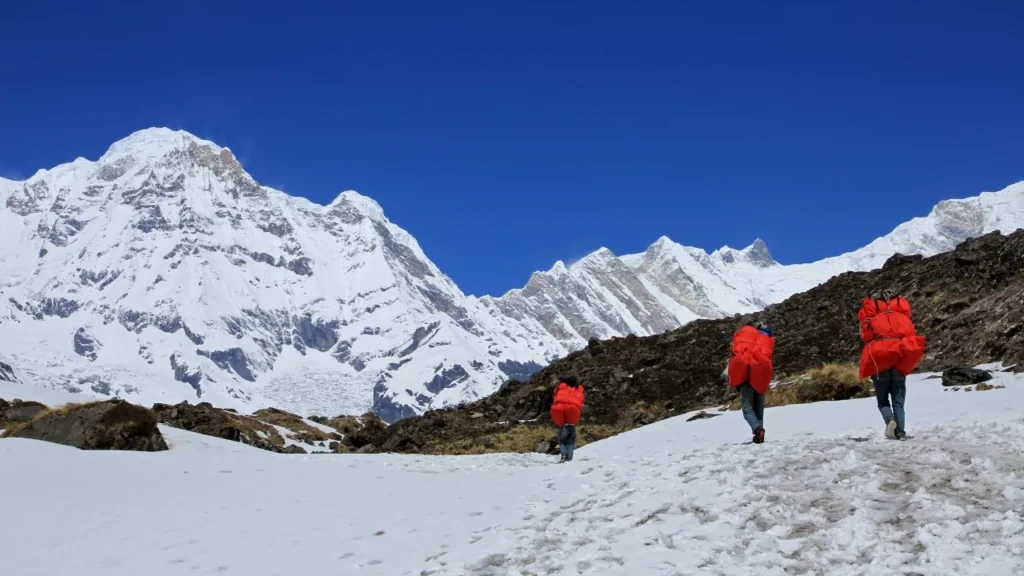
Nepal is a land of breathtaking landscapes, towering mountains, and rich culture, making it a top destination for trekkers and adventure lovers. For first-time trekkers, understanding the right seasons and weather conditions is important, and knowing the best time to visit Nepal ensures clear skies, pleasant temperatures, and stunning Himalayan views. Beyond its natural beauty, Nepal is famous for its vibrant festivals in Nepal, which trekkers can enjoy throughout the year. From snow-capped peaks in winter to lush green valleys in summer, every season offers a unique trekking experience.
In the guide, we’ll learn about the best time for trekking in Nepal, weather patterns, and seasonal highlights that help you plan your 2026 adventure trip perfectly.
The Best Seasons for Trekking in Nepal
Nepal experiences mostly four seasons, each season offers different trekking experiences. Trekking in Nepal will depend on your preferences for weather, scenery, and crowd levels. Let’s see each season in detail with its pros and cons.
Autumn Trekking in Nepal (September to November )
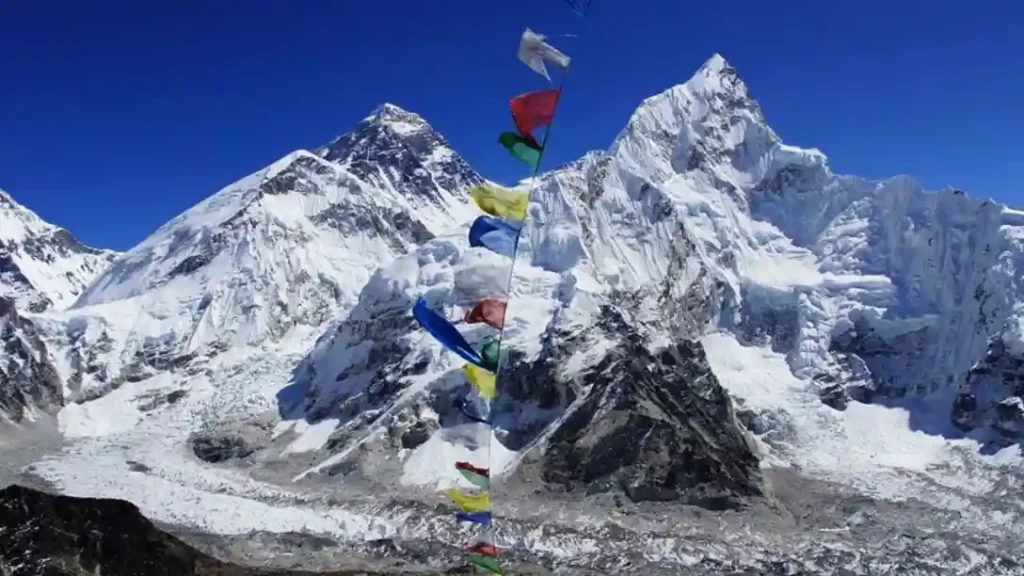
Autumn is known as the best time to trek in Nepal. The monsoon rains recede, leaving a fresh, lush landscape and clear skin. The season is ideal for panoramic views of the Himalayan peaks, including Everest, Annapurna, and Langtang. Let’s see the pros and cons of the autumn trekking in Nepal.
Pros:
- Clear and excellent visibility of the beautiful mountains and the Himalayas.
- Moderate temperatures are ideal for hiking.
- Festivals like Dashain and Tihar add more cultural charm.
Cons:
- This is one of the popular seasons, so the trekking routes may be overcrowded.
- Accommodation may be slightly more expensive due to high demand this season.
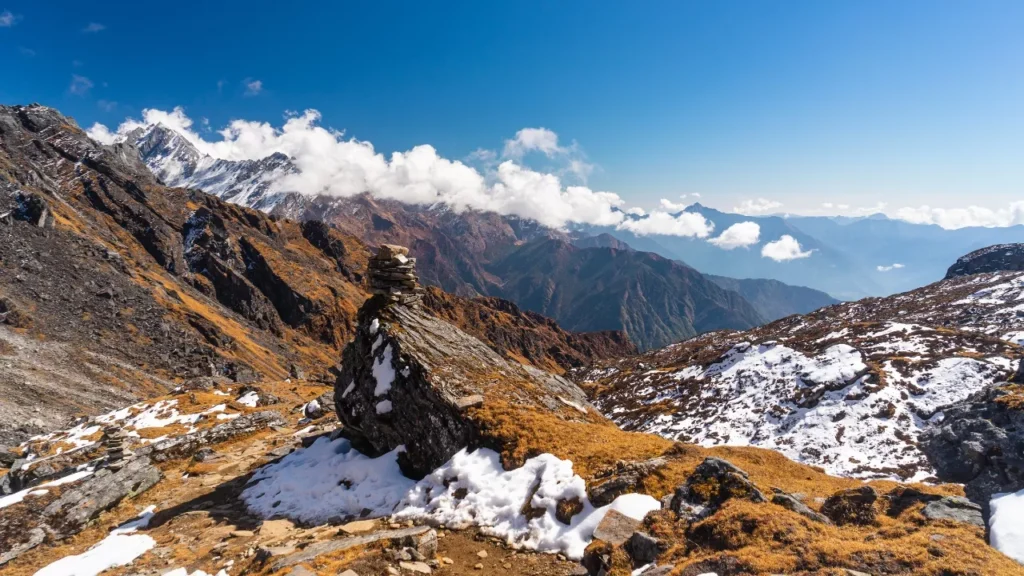
September Trekking in Autumn
September marks the beginning of autumn trekking. The monsoon has just receded, leaving trails vibrant and landscapes lush. The air is still cool but gradually warming, making it perfect for treks like Everest Base Camp and the Annapurna Base Camp trek. September is ideal for trekkers seeking moderate crowds and fresh scenery.
November Trekking in Autumn
November is considered the peak of autumn trekking. The skies are almost always clear, temperatures are pleasant, and the visibility of the Himalayas is at its absolute best. This month is perfect for capturing stunning mountain panoramas and enjoying long, uninterrupted treks. November also coincides with some of Nepal’s cultural festivals, adding a special charm to the trekking experience.
Festivals in Autumn
Autumn is also a cultural feast in Nepal. Two major festivals occur during this season:
- Dashain (September/October): Nepal’s largest festival, celebrated with family gatherings, traditional rituals, and grand feasts. Trekking villages often come alive with festive decorations and celebrations.
- Tihar (October/November): Known as the festival of lights, Tihar features homes and streets adorned with oil lamps and colorful rangoli patterns, with ceremonies honoring animals like cows, dogs, and crows.
Trekking in September or November gives you the unique chance to experience Nepal’s culture while enjoying its natural beauty.
Spring Trekking in Nepal (March to May)
Another popular season for Nepal trekking is the Spring Season. As the snow melts, the trails come alive with the colorful rhododendrons and other alpine flowers. The moderate weather and longer daylight hours make spring season trekking more comfortable and unforgettable. Let’s see the Pros and Cons.
Pros:
- Blooming flowers and vibrant scenery.
- Pleasant temperatures for trekking.
- Clear skies for Himalayan photographs and videos.
Cons:
- Slightly warmer temperatures may make lower-altitude trekking humid.
- Due to the popular season, some popular routes may be busy, especially in April and May.
Weather and Trekking Conditions in Spring
The weather in March in Nepal is generally cool but gradually warming. Snow at higher altitudes starts to melt, making trails accessible for longer treks. This makes March a popular time for treks like the Everest Base Camp and the Annapurna Circuit. By April and May, the days become warmer, rhododendron forests are in full bloom, and the skies remain clear, offering excellent conditions for hiking and sightseeing.
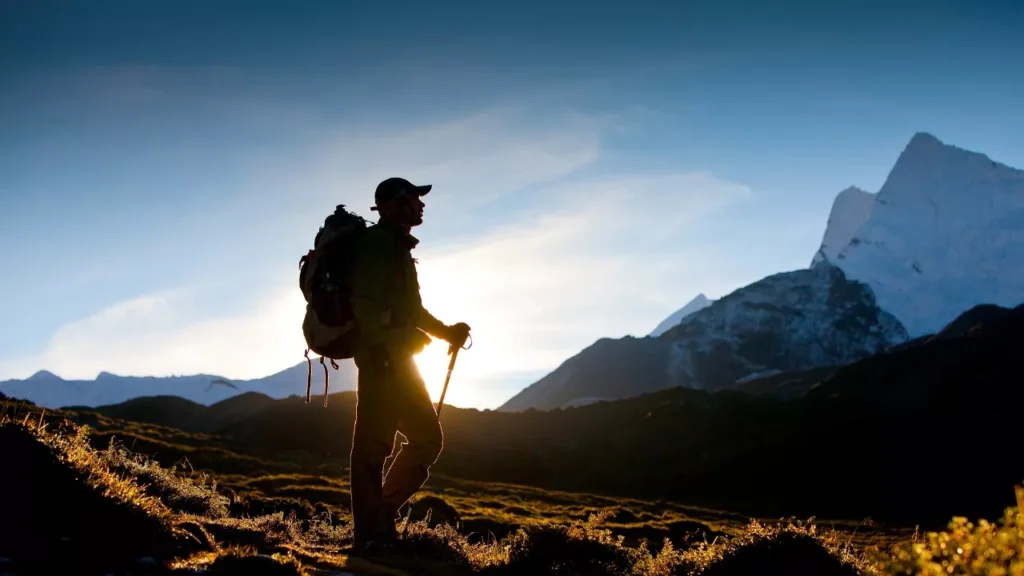
Festivals During Spring
Spring trekking is also enriched with cultural experiences, as several local festivals take place:
Holi (March):
Known as the festival of colors, Holi is celebrated with music, dancing, and colorful powders. Villages along trekking routes often join in the celebrations, creating a lively and joyful atmosphere.
Nepali New Year / Bisket Jatra (April):
The Nepali New Year, typically in mid-April, is celebrated with traditional rituals, chariot processions, and fairs in Newar towns like Bhaktapur. Trekkers passing through these regions can witness unique cultural events firsthand.
Rhododendron Bloom Festivals (March–April):
Many trekking areas celebrate the flowering season with small fairs and cultural programs, highlighting the vibrant beauty of spring in the Himalayas.
Highlights of Spring Trekking
- March: Cool and gradually warming, perfect for beginning longer treks like Everest Base Camp and Annapurna Circuit.
- April & May: Peak spring, with full rhododendron bloom, warm days, and excellent Himalayan visibility. Some lower-altitude areas may feel humid, but the stunning scenery more than compensates.
Whether trekking the Everest Base Camp, exploring the Annapurna Circuit, or enjoying shorter treks in Langtang, spring offers a perfect combination of accessible trails, natural beauty, and cultural experiences. For both first-time trekkers and seasoned adventurers, spring is one of the most rewarding seasons for Nepal hiking.
Summer Trekking in Nepal (June to August)
Summer in Nepal coincides with the monsoon season, making it less ideal for trekking. Heavy rainfall may lead to slippery trails, leeches in lower regions, and occasional landslides. However, summer trekking has its niche, especially in the high-altitude regions where rainfall is minimal. Let’s see the pros and cons of the summer trekking.
Pros:
- In summer, there are fewer tourists and it’s less crowded than in Autumn and Spring.
- Lush greenery and vibrant landscapes post monsoon.
- Lower Prices for Accommodations than in Autumn and Spring.
Cons:
- Risk of Landslides and difficult trail conditions.
- There is a risk of landslides and difficult trail conditions.
- Limited visibility of mountains and the Himalayas due to clouds and rain.
If you are planning and interested in monsoon trekking routes in Nepal, areas like Mustang, Dolpo, and Upper Mustang are relatively dry and safer during the summer than other places

Festivals During Summer
Even during the rainy season, Nepal celebrates several important festivals that trekkers may encounter:
Ropain / Rice Planting Festival (June):
This is a traditional farming festival celebrated in rural areas, marking the start of the rice planting season. In lower-altitude trekking regions, you may see farmers performing rituals, singing folk songs, and blessing the fields.
Janai Purnima / Raksha Bandhan (July/August):
Celebrated in mid-summer, this festival is especially significant for Hindu communities. Men wear the sacred thread (Janai), and brothers and sisters perform traditional rituals to honor each other. Trekking through villages during this time allows you to observe local cultural traditions.
Indra Jatra (late August, only in Kathmandu Valley):
Indra Jatra is celebrated with dances, chariot processions, and cultural performances. While it is mainly observed in Kathmandu, trekkers passing through the valley before heading to high-altitude trails may experience parts of the festivities.
Highlights of Summer Trekking
- June – August: Lush greenery, full rivers, and vibrant landscapes post-monsoon.
- High-altitude trekking: Upper Mustang, Dolpo, and Manang remain relatively dry and safer for trekking.
- Fewer crowds: Trails are less crowded, providing a more solitary trekking experience.
Although summer trekking presents challenges like heavy rainfall and limited mountain visibility, it is perfect for adventurers who enjoy lush landscapes, fewer tourists, and lower accommodation costs. Combined with the opportunity to witness local summer festivals, trekking in Nepal during June to August can be a unique and memorable experience.
Winter Trekking in Nepal (December to February)
Winter offers a serene trekking experience with fewer crowds. The skies are clear, providing stunning views of the Mountains & Himalayas. While temperature drops, especially at higher altitudes, winter trekking has its own unique charm. Let’s see the pros and cons of winter trekking in Nepal.
Pros:
- Crisp and clear Mountain Views.
- Less Crowded trekking trails due to the off-season.
- Ideal for adventurous hikers seeking solitude.
Cons:
- Cold temperatures, especially at higher elevations.
- Some routes may be inaccessible due to snow.
- Shorter daylight hours due to that, we don’t have much more time to view the Himalayas.
Weather and Trekking Conditions in Winter
- December: Cool and dry, ideal for short treks and city sightseeing.
- January & February: Cold, especially at higher altitudes, but excellent visibility of mountains. Snow may block some high passes, so lower-altitude treks like the Annapurna Base Camp Trek, Langtang, and Mustang are recommended.
Festivals During Winter
While winter has fewer festivals compared to autumn and spring, there are still some cultural events:
Maghe Sankranti (mid-January):
A Hindu festival marking the winter solstice and the lengthening of days. People celebrate with traditional foods like sesame seeds, molasses, and yams. Trekkers passing through villages may notice local rituals and communal gatherings.
Losar (Tibetan New Year, January/February depending on the lunar calendar):
Celebrated by Tibetan and Sherpa communities, especially in regions like Langtang, Solukhumbu (Everest region), and Mustang. Festivities include dances, prayers, and cultural rituals, adding a vibrant cultural touch to your trekking experience.
Shivaratri (February/March, sometimes overlaps with winter):
Observed in various parts of Nepal, including Pashupatinath Temple in Kathmandu, with night-long celebrations and rituals dedicated to Lord Shiva.
Highlights of Winter Trekking
- Clear skies offer unbeatable mountain visibility.
- Fewer crowds mean more solitude and peaceful trekking.
- Lower-altitude treks like Annapurna, Langtang, and Mustang are ideal during winter.
- Cultural experiences with Maghe Sankranti and Losar festivals enrich the trekking journey.
Winter trekking in Nepal is ideal for adventurers who enjoy tranquil trails, crisp mountain air, and unique cultural experiences. While some higher passes may be snowbound, lower and mid-altitude treks provide spectacular views and a peaceful Himalayan adventure.
Seasonal Trekking Comparison in Nepal
In this table, there are different comparisons according to seasons, months, weather & conditions.
Season
Months
Weather & Conditions
Popular Treks & Highlights
Autumn
Sept-Nov
Clear skies, moderate temperatures, post-monsoon freshness
Everest Base Camp, Annapurne Circuit, Langtang
Spring
March-May
Warming temperatures, blooming rhododendrons, clear skies
Everest Base Camp Annupurnea Circuit, Ghorepani Poon Hill
Summer
June-August
Monsoon season, heavy rainfall, lush green landscapes
Upper Mustang, Dolpo, Manang
Winter
Dec-Feb
Cold, crisp air, clear mountain Views
Annapurna, Langtang, Lower Mustang Valley
Best Time to Trek in Nepal by Month & Season 2026
Here’s a month-by-month breakdown to help plan your Nepal trekking trip:
- January & February: Cold, clear skies, perfect for short treks.
- March: Spring season begins, flowers bloom, moderate weather, excellent for hiking in Kathmandu and the surrounding regions.
- April & May: Peak spring, warm days, rhododendron forests in full bloom.
- June, July & August: Summer monsoon, challenging trails, but lush landscapes. Best for high-altitude treks like Upper Mustang.
- September: Autumn begins, fresh post-monsoon air, clear mountain views.
- October & November: Peak trekking season, clear skies, ideal temperatures.
- December: Winter sets in, crisp air, fewer crowds, perfect for Annapurna & Everest Base Camp at lower altitudes.
Best Monsoon Trekking Routes in Nepal
Although monsoon in Nepal brings heavy rainfall, some regions remain relatively dry and safe for trekking. These areas offer an adventurous experience with lush greenery.
- Upper Mustang: Arid climate, less rain, stunning desert landscapes.
- Dolpo: Remote region, beautiful high-altitude trekking.
- Manang: Sheltered areas with moderate rainfall.
Monsoon trekking in Nepal provides a unique experience with fewer crowds and vibrant landscapes. It’s ideal for trekkers seeking solitude and adventure in the Himalayas.
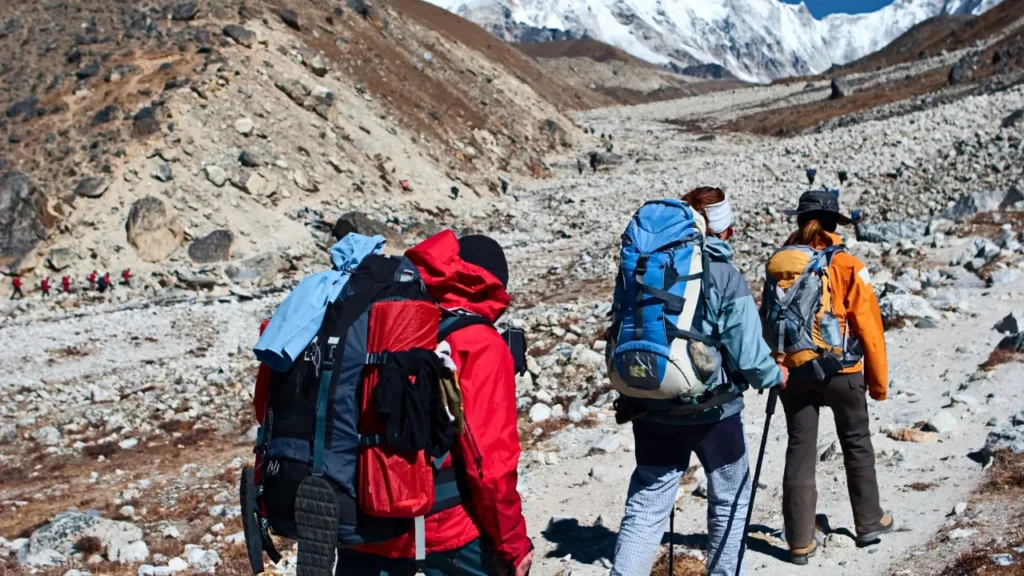
Which is the Best Month to Trek in Nepal in 2026?
Considering weather, visibility, and crowd levels, the best month to trek in Nepal is October. During this time, the skies are clear, the temperatures are pleasant, and the trails are perfect for trekking. Spring months like April are a close second, offering blooming rhododendrons and moderate weather. For trekking or hikinghttps://bethere.fun/blog/trekking-vs-hiking-in-nepal, both October and April are considered golden months for beginners and experienced trekkers alike.
For hiking in the Himalayas, October and April are considered the golden months, ideal for both beginners and experienced trekkers.
Travel Tips to Visit Nepal in 2026
Planning a Nepal trekking trip requires preparation. Here are some essential travel tips:
- Book Early: Especially during peak seasons like autumn and spring.
- Pack Appropriately: Layered clothing, waterproof gear for monsoon, and sturdy hiking boots.
- Altitude Awareness: Acclimatize properly to avoid altitude sickness.
- Permits & Fees: Check for TIMS (Trekkers’ Information Management System) and national park permits.
- Stay Hydrated & Healthy: Carry enough water and snacks for energy.
- Respect Local Culture: Be mindful of local customs, temples, and traditions.
- Travel Insrance: Essential for trekking, covering emergencies and medical evacuation.
For detailed trekking guides and expert advice, visit BeThere or reach out to a Mountaineering Expert guide. If you have questions about planning your trek, don’t hesitate to Contact Us.
Conclusion: Best Time to Trek in Nepal
Nepal offers year-round trekking opportunities, but the best time to trek in Nepal is generally during autumn (September to November) and spring (March to May). These seasons provide clear skies, pleasant weather, and stunning Himalayan views, making them ideal for adventure seekers and nature lovers alike.
Whether you choose Nepal hiking in winter for solitude or summer trekking for lush green landscapes, understanding the seasonal weather patterns is key to a safe and enjoyable trekking experience.
Table of Content
Frequently Asked Questions
What is the best month to trek in Nepal?
The best months are October and April, offering clear skies, moderate temperatures, and perfect trekking conditions.
How to choose a trek in Nepal?
Consider your fitness level, duration, difficulty, season, and the region you want to explore. Popular treks include Everest Base Camp, Annapurna Circuit, Langtang, and Upper Mustang.
What is the golden rule of hiking?
Always plan for safety first, respect nature, carry sufficient water, and acclimatize properly to avoid altitude sickness.
Can I trek during the monsoon in Nepal?
Yes, but choose dry regions like Upper Mustang or Dolpo. Avoid lower trails prone to landslides and leeches.
Which month is best for Annapurna Base Camp (ABC) Trek?
The best months for ABC Trek are October and April, when the weather is stable, skies are clear, and trails are safe. Autumn offers post-monsoon freshness, while spring provides blooming rhododendrons and moderate temperatures.
Which month rains a lot in Nepal?
Nepal experiences heavy rainfall during the monsoon season (June to August). This period is less ideal for trekking in lower-altitude regions due to slippery trails and landslides. High-altitude areas like Upper Mustang and Dolpo are exceptions and remain relatively dry.
Is it safe to trek in Nepal right now?
Yes, trekking in Nepal is safe. However, always check current weather conditions, trail accessibility, and local travel advisories before starting your trek. Hiring a local guide and following safety protocols ensures a secure and enjoyable journey.

Recent Blogs
Need help choosing a trail?
Connect with a local and plan your perfect trek.