
- PUBLISHED
Kala Patthar Trek Guide: Elevation, Difficulty & Best Everest Views
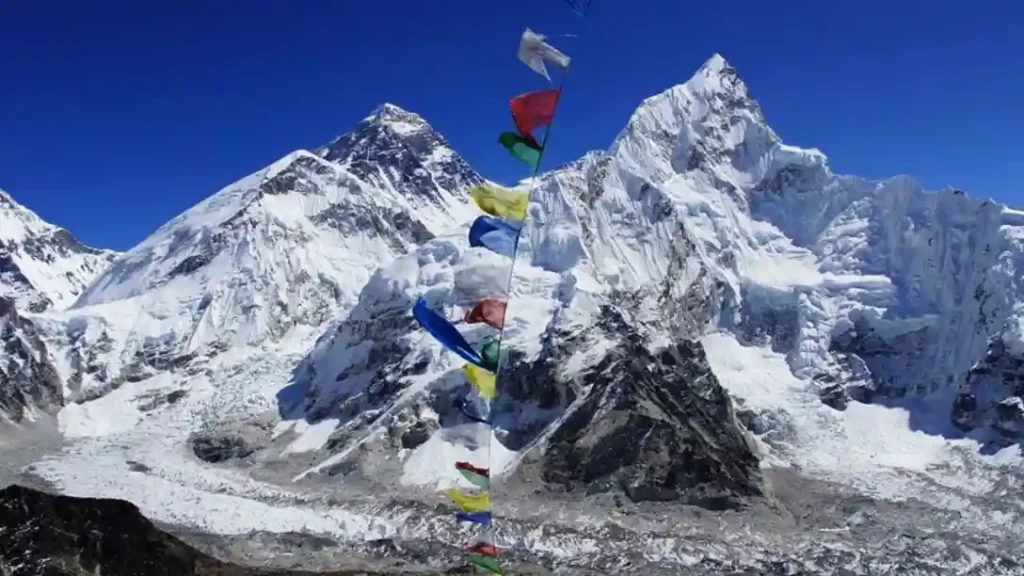
Kala Patthar is one of the most popular viewpoints in the Everest region, known for offering the best panoramic views of Mount Everest. Despite its popularity, many trekkers underestimate its importance while planning their itinerary.
If you’re trekking in the Everest region, understanding the value of the Kalapatthar hike can make a big difference to your experience. This guide will help you understand why the Kala Patthar summit is often the real highlight of the journey.
What Is Kala Patthar and Why Is It Famous?
Kala Patthar, which means “black rock” in Nepali, is a well-known viewpoint located just above Gorak Shep in the Everest region. Although it isn’t a true mountain summit, it has become one of the most iconic spots for trekkers in the Himalayas.
The popularity of Kalapatthar comes down to one key reason, it offers one of the best possible views of Mount Everest without the need for technical climbing or special permits.
Many trekkers reach Everest Base Camp expecting a clear view of the world’s highest peak. However, the summit is mostly hidden behind surrounding mountains like Nuptse, which can be surprising for first-time visitors.
Kala Patthar offers a completely different experience. From this vantage point, you can see Everest rising clearly above the surrounding peaks, along with a wide panoramic view of the Himalayan range. It’s this unobstructed perspective that makes the Kala Patthar summit a must-visit highlight of the Everest trek.
Kala Patthar Elevation and Exact Location
Before attempting the hike, it’s important to understand the Kala Patthar elevation and where it sits along the Everest Base Camp route.
- Elevation: 5,545 meters (18,192 feet)
- Starting point: Gorak Shep (5,164 meters)
- Elevation gain: Around 400 meters
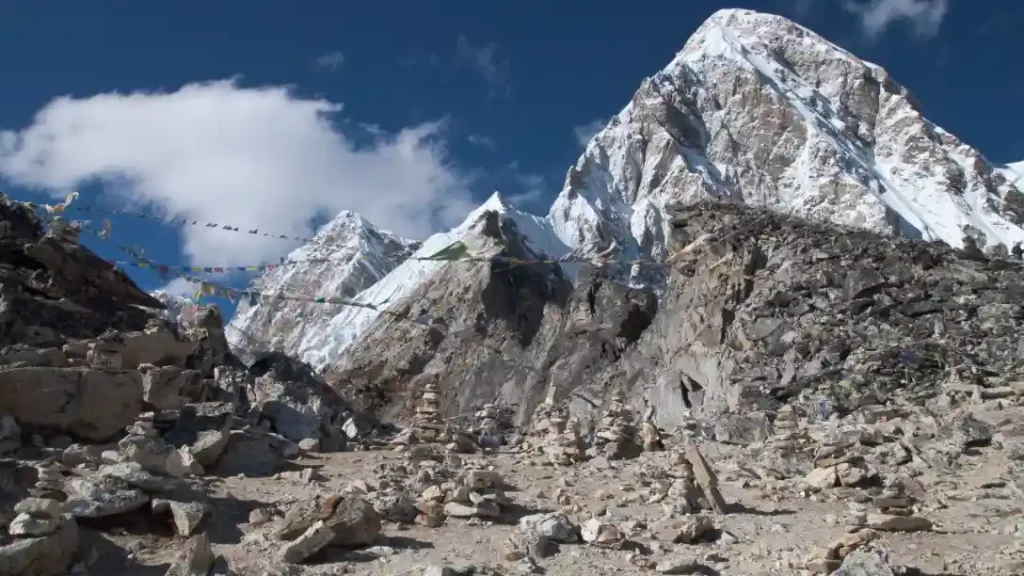
Kala Patthar is located just above Gorak Shep, the final settlement before Everest Base Camp. It lies on the ridge of Pumori, which gives it one of the best viewing angles of Mount Everest in the entire region.
Although the distance from Gorak Shep looks short on a map, the reality on the ground is very different. At this altitude, even a moderate climb feels challenging. The thin air reduces oxygen levels, making each step slower and more tiring than expected.
Everest from Kala Patthar What You Actually See
The main reason most trekkers climb Kala Patthar is to see Mount Everest clearly. Compared to Everest Base Camp, where the view of the summit is limited, Kala Patthar provides a much more open and direct perspective of the mountain.
From this viewpoint, Everest is visible in full scale along with a wide range of surrounding peaks. The landscape opens up into a broad Himalayan panorama rather than focusing on a single point.
Key peaks visible from Kala Patthar include:
- Mount Everest (8,848m)
- Lhotse
- Nuptse
- Pumori
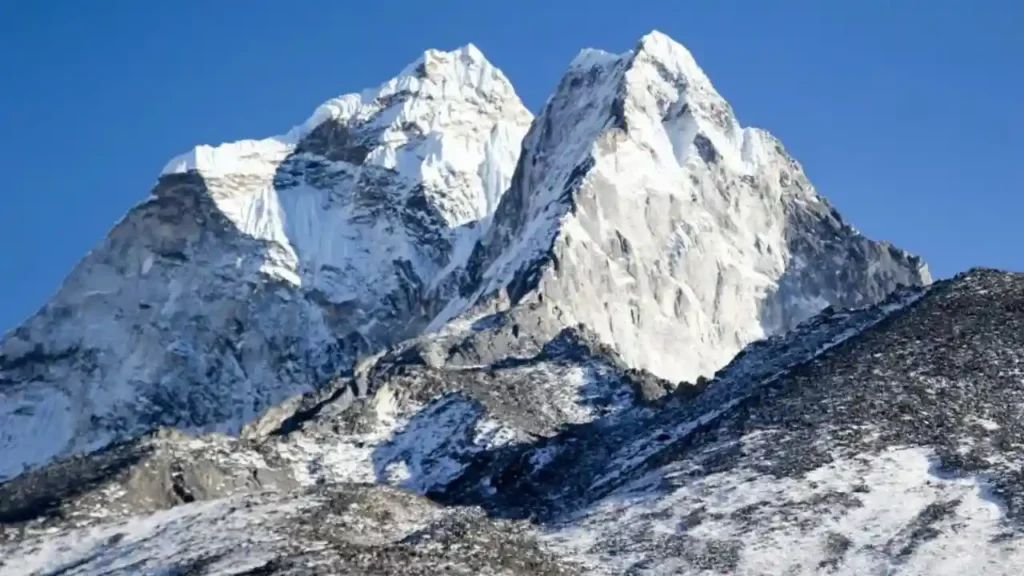
- Ama Dablam
The overall view is best understood as a continuous mountain range rather than isolated peaks. Everest stands out due to its height and position, but it is part of a larger, layered landscape of glaciers and ridges.
Lighting conditions also play an important role in what you see. In the early morning, sunlight gradually reaches the upper slopes while the lower valleys remain in shadow. This creates strong contrast across the mountain faces, making the structure of Everest and nearby peaks more defined.
Because of this clear and elevated perspective, Mount Everest from Kala Patthar is widely regarded as one of the most effective viewpoints without technical climbing.
Kala Patthar Trek – How to Do It
The Kala Patthar trek is not a standalone route. It is usually completed as part of the Everest Base Camp itinerary and is considered one of the final highlights of the journey.
After reaching Gorak Shep, most trekkers first continue to Everest Base Camp and then return to Gorak Shep for an overnight stay. The hike to Kala Patthar is typically done early the next morning.
Typical itinerary flow
- Trek to Gorak Shep
- Visit Everest Base Camp
- Overnight stay at Gorak Shep
- Early morning hike to Kala Patthar
The ascent to Kala Patthar usually begins before sunrise. Depending on pace and acclimatization, it takes around 1.5 to 2 hours to reach the top.
The trail is steep, rocky, and exposed, but it is well-defined and does not involve any technical climbing. The main challenge comes from the altitude rather than the terrain, as the air becomes significantly thinner at this elevation.
For travelers with limited time, helicopter tours to the Kala Patthar region are also available. These allow visitors to experience the viewpoint without the physical climb, although they miss the gradual trekking experience that leads up to it.
Difficulty Level and Altitude Risks
Many trekkers tend to underestimate the hike to Kala Patthar because it is not technically difficult. However, the real challenge comes from the altitude rather than the trail itself.
By the time you reach this point of the Everest Base Camp trek, your body is already operating in a low-oxygen environment. As a result, even a short ascent can feel physically demanding.
Common effects at this altitude include shortness of breath, fatigue, headache, and a noticeably slower walking pace. These symptoms are normal to some extent, especially above 5,000 meters.
Why the hike feels harder than expected
At an elevation of over 5,500 meters, oxygen levels are significantly lower than at sea level. Simple movements require more effort, and recovery between steps takes longer.
The final section of the climb can feel particularly challenging due to steep terrain combined with cold temperatures and strong winds. Even well-prepared trekkers may find the pace slower than expected.
Who should be more cautious
Trekkers without proper acclimatization, or those already showing signs of altitude sickness, should take extra care. People with respiratory or heart-related conditions should also be cautious when attempting the ascent.
If symptoms become more intense, the safest decision is always to stop or descend rather than continue upward. In general, the key to a successful Kala Patthar hike is not speed, but steady movement. Taking breaks, maintaining a slow pace, preparing for high altitude and paying attention to your body makes the experience safer and more manageable.
Best Time for Kala Patthar Trek
Timing plays a major role in your Kala Patthar experience. The right season can reward you with crystal-clear views of Mount Everest, while the wrong one may leave you surrounded by clouds and poor visibility.
The best seasons for trekking Kala Patthar are:
- Spring (March to May)
- Autumn (September to November)
During these months, the weather is generally stable, the skies are clear, and visibility across the Everest region is at its best. This is when you get those iconic Himalayan views that make Kala Patthar so famous.
Spring brings slightly warmer temperatures and blooming landscapes in the lower regions, making the trek more colorful and enjoyable. Autumn, on the other hand, is known for its crisp mountain air and extremely sharp visibility, perfect for photography and panoramic views of Everest.
Winter trekking is possible, but conditions are much harsher. Temperatures drop significantly, trails can be covered in snow, and the cold makes the hike more demanding. Monsoon season (June to August) is the least favorable, as heavy clouds and rain often block mountain views completely.
For the actual Kala Patthar summit hike, early morning is always the best time. Winds are usually calmer, temperatures are more stable, and the chances of catching a clear sunrise over Everest are highest.
Essential Packing and Safety Tips
A successful Kala Patthar hike depends heavily on preparation, Every trekkers should know how to pack trekking backpack. The weather can change quickly, and temperatures drop significantly before sunrise.
Here are some essentials you shouldn’t miss:
Must-Have Gear
- Warm base layers and insulated jacket
- Windproof outer shell
- Gloves and hat
- Headlamp (for early morning hike)
- Trekking poles
- Sunglasses and sunscreen
Safety Tips
- Stay well hydrated throughout the trek
- Avoid alcohol at high altitude
- Acclimatize properly before reaching Gorak Shep
- Walk slowly and maintain a steady pace
- Know how to trek in rainy condition
- Watch for signs of altitude sickness
Cold temperatures can drain your energy quickly, so layering properly is key. Also, keep your camera or phone warm, batteries tend to die faster in freezing conditions.
Conclusion
Kala Patthar is the ultimate highlight of the Everest trek, offering the clearest and most iconic view of Mount Everest. While Everest Base Camp gives you the journey, the Kala Patthar summit gives you the unforgettable view you came for. If you’re heading to the Himalayas, don’t miss it. The best Everest from Kala Patthar moment is waiting above.
Choose BeThere for your adventure and trek with complete peace of mind. Our certified guides are with you every step of the way, ensuring your journey is safe, smooth, and truly unforgettable.
Table of Content
Frequently Asked Questions
1. Is Kala Patthar a difficult trek?
Kala Patthar is not technically difficult, but it is physically challenging due to its high altitude. At over 5,500 meters, the thin air makes even a short uphill climb feel demanding. Most difficulty comes from altitude rather than terrain.
2. How long does it take to climb Kala Patthar?
The hike from Gorak Shep to the Kala Patthar summit usually takes around 1.5 to 2 hours one way, depending on your pace and acclimatization. The total round trip can take about 3 to 4 hours, especially if you stop for photos and rest breaks.
3. What is the elevation of Kala Patthar?
Kala Patthar stands at an elevation of 5,545 meters (18,192 feet). It is located just above Gorak Shep and is one of the highest accessible viewpoints in the Everest region.
4. Is it hard to get to Kala Patthar?
It is not a technical climb, but it can feel hard because of the altitude and steep trail. The path is well-defined, but low oxygen levels make the ascent slower and more tiring than expected. Proper acclimatization and a steady pace make it manageable.
5. What are the challenges of Kala Patthar?
The main challenges of Kala Patthar include:
- High altitude and low oxygen levels
- Cold temperatures, especially before sunrise
- Steep and rocky uphill trail
- Risk of fatigue and altitude sickness symptoms
Despite these challenges, the reward is one of the best panoramic views of Mount Everest.

Recent Blogs
Need help choosing a trail?
Connect with a local and plan your perfect trek.