
- PUBLISHED
Dashain 2025 in Nepal
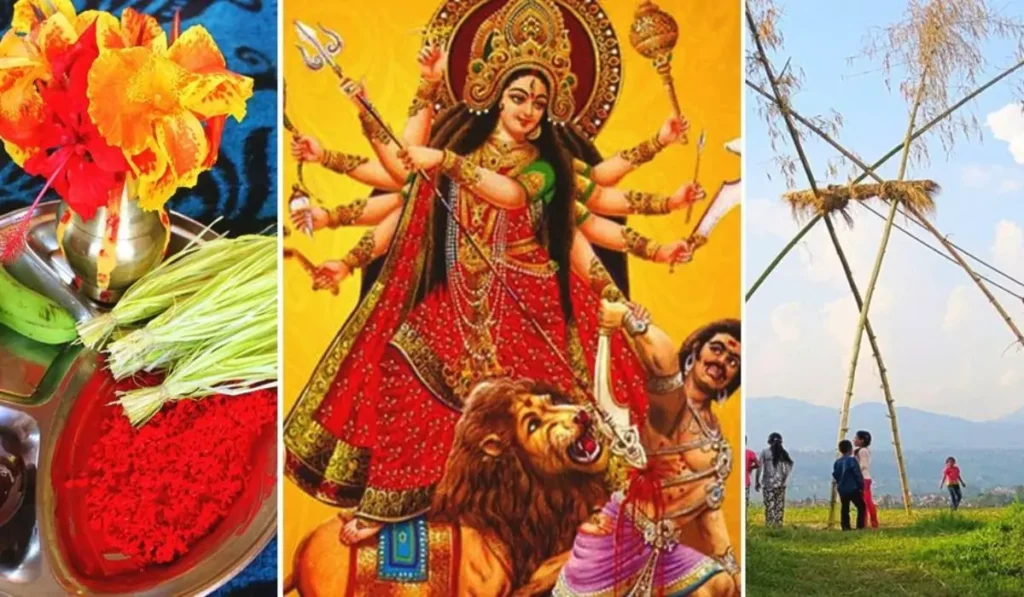
If there’s one time of the year when Nepal feels completely alive, it’s during the festival of Dashain. Streets buzz with people shopping for new clothes, bus parks overflow as families return to their villages, and the air smells of sel roti frying in almost every household. Dashain, which usually falls in late September or early October, is part myth, part culture, part reunion. It is a time when gods are worshipped, fields are blessed, and families come together, no matter how far apart they live.
For Nepalis, Dashain is the festival that ties everything together: religion, agriculture, food, and above all, family. Dashain 2025 will be celebrated from September 23 to October 7. The main day of tika is on October 2. Whether you’re a Nepali looking forward to going home or a traveler curious to experience it, Dashain offers a glimpse of Nepal at its most festive and heartfelt.
Mythological Significance of Dashain
At the heart of the festival of Dashain is a story of triumph. According to Hindu mythology, the goddess Durga fought the demon king Mahishasura for nine long days. On the tenth day, she defeated him, and her victory became a symbol of good prevailing over evil. That day is celebrated as Vijaya Dashami, the most important day of Dashain.
Another story ties Dashain to the Ramayana, where Lord Ram defeated the demon king Ravana with the blessings of Goddess Durga. Both stories carry the same message: that truth and righteousness will always find a way to win. For many families, worshipping Durga during Dashain isn’t only about tradition. It’s about inviting strength and protection into their homes.
Cultural Importance of Dashain in Nepal
Dashain is less about grand public events and more about what happens inside homes. Families who may not see each other for months make every effort to gather. Bus parks in Kathmandu and Pokhara become chaotic, with people carrying bags full of fruits, gifts, and new clothes. For migrant workers, Dashain is often the only time they return home, so the festival holds deep emotional weight.
The timing of Dashain also makes sense. It comes just after the rice harvest, when granaries are full and there is enough food to celebrate. Farmers see it as a festival of abundance, while families see it as a festival of togetherness. For children, it means playing cards, kites, swings, and dakshina (pocket money from elders). For elders, it’s a time to pass down blessings and traditions to the next generation.

Key Rituals and Important Days of Dashain in Nepal
The festival of Dashain lasts for 15 days, but several days have special religious and cultural significance. Here’s a look at the key days and what makes them important:
Ghatasthapana (Day 1)
Families set up a small clay pot filled with soil and sow barley seeds. This pot is kept in a sacred corner of the house where prayers are offered daily. The shoots, called jamara, are later used in tika ceremonies. Children often check every morning to see how tall the jamara has grown, treating it almost like a family treasure.
Phulpati (Day 7)
On this day, a sacred collection of flowers, banana stalks, jamara, and sugarcane is carried in a procession to Kathmandu. In villages, families prepare for the final days of the festival by buying new clothes and groceries.
Maha Ashtami (Day 8)
Devotees worship Goddess Durga with great devotion. Animal sacrifices are still practiced in some places, especially in temples like Dakshinkali. In cities, families offer alternatives like coconuts or pumpkins as symbols of sacrifice.
Maha Navami (Day 9)
This day is dedicated to worshipping tools, vehicles, and instruments. Cars, motorcycles, and even farming equipment are washed and decorated with tika and flowers to seek blessings for safety and success.
Vijaya Dashami (Day 10)
This is the highlight of Dashain. Elders prepare tika (a red mixture of vermilion, yogurt, and rice), placed on a silver plate along with jamara. One by one, family members receive tika and jamara. Elders often whisper blessings for health, wisdom, and prosperity while giving small sums of money, known as dakshina. Children look forward to this day with the most excitement.
How Dashain is Celebrated Across Nepal
Dashain celebration in Nepal varies from place to place, but the spirit is the same. In rural areas, community swings are built, and neighbors come together for feasts. In cities, homes buzz with relatives visiting one another, and markets stay busy until the final day.
The festival is also marked by food traditions. Goat curry, sel roti, beaten rice, and seasonal fruits become staples on dining tables. Music, card games, and storytelling sessions fill the evenings, making Dashain feel less like a holiday and more like a season of togetherness.
Best Time to Apply Dashain Tika in 2025
In Dashain 2025, Vijaya Dashami falls on October 2. For Dashain 2025, the auspicious time (Subha Saait) to apply tika is 11:53 AM (Nepal Time) on Thursday, October 2nd, as officially announced by the Nepal Panchang Nirnayak Bikas Samiti. This corresponds to 2:08 AM Eastern Time, 1:08 AM Central Time, and 11:08 PM Pacific Time on the night of October 1st in the United States. While these times fall during late-night hours in the U.S., many Nepali families living abroad choose to perform the tika ritual at a convenient local time on the same day. Traditionally, tika and jamara continue to be applied throughout the day in Nepal and abroad, as visiting relatives and family gatherings often take several hours beyond the official saait.
Why Trekking in Nepal During Dashain is a Great Idea
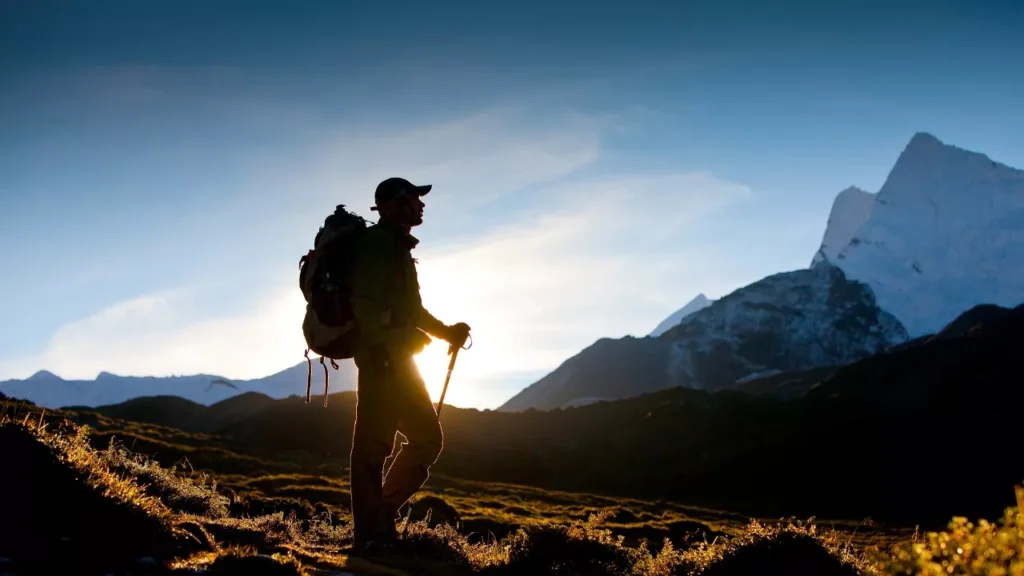
Trekking in Nepal during Dashain offers a rare cultural and natural blend. The weather is crisp and clear in October, making it one of the best times for mountain views. Trails are less crowded because many Nepalis are busy celebrating at home, which means you get quieter paths.
What makes it truly special is the cultural experience. In villages along trekking routes, locals may invite you to join their Dashain feasts or offer tika. Experiencing the festival in a mountain village allows trekkers to feel part of something deeply personal and warm.
Top Trekking Routes to Explore During Dashain in Nepal
These are some of the best trekking routes you can explore during Dashain 2025:
Everest Base Camp Trek
The Everest region shines in October with crystal-clear skies and stunning views of Mount Everest. Everest Base Camp Trek during Dashain means fewer crowds than peak season, and you might get invited by Sherpa families to share their celebrations. The mix of high-altitude adventure and cultural warmth makes this trek unforgettable.
Annapurna Circuit Trek
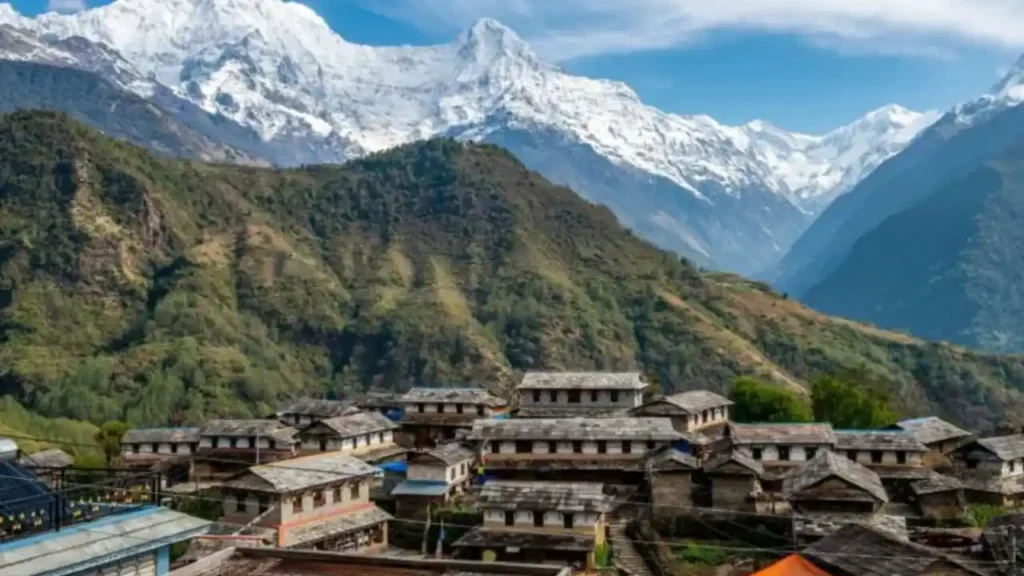
Annapurna Circuit Trek is a classic. This trek offers diverse landscapes, from lush valleys to arid mountains. During Dashain, villages along the way become extra lively, with locals dressed in new clothes and preparing festive meals. It’s a chance to see traditional celebrations alongside breathtaking natural scenery.
Langtang Valley Trek
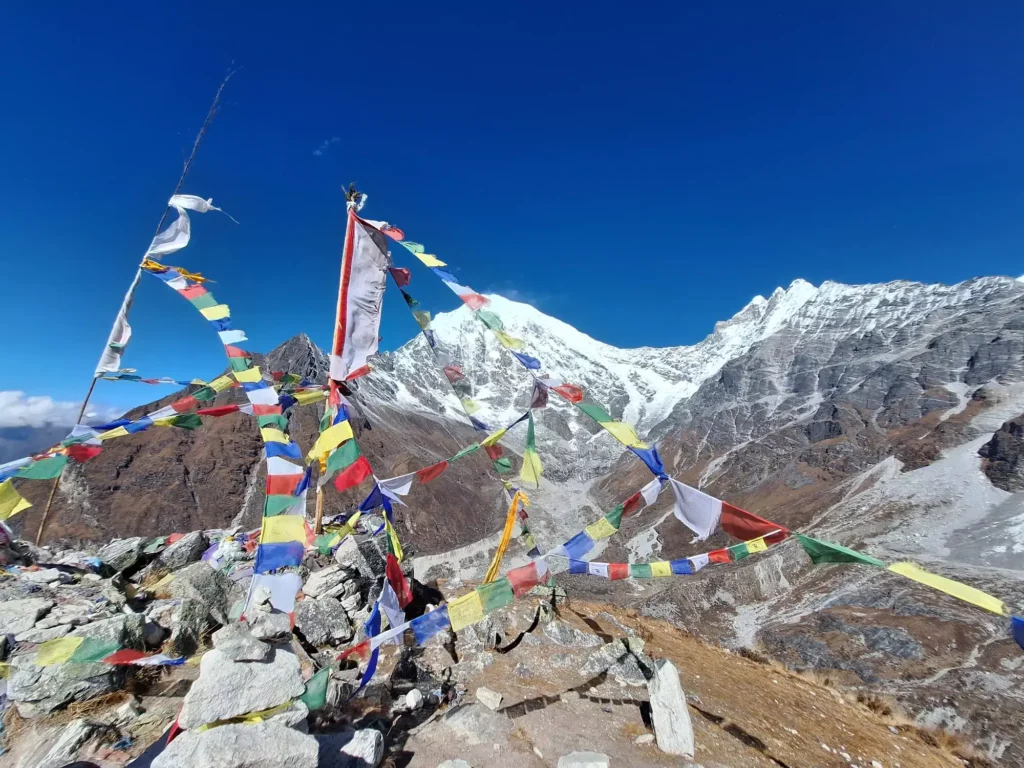
Known for its accessibility from Kathmandu, the Langtang Valley trek is ideal for trekkers who don’t have weeks to spare. The valley’s Tamang villages add cultural richness, and during Dashain, trekkers often encounter families welcoming them with tika or offering homemade snacks.
Ghorepani Poon Hill Trek
Short yet rewarding. Ghorepani Poon Hill Trek is famous for its sunrise views over the Annapurna and Dhaulagiri ranges. Trekking here during Dashain means witnessing small Gurung and Magar villages celebrate. It’s perfect if you want a lighter trek that still offers a festive touch.
Manaslu Circuit Trek
For those seeking adventure off the beaten path, the Manaslu Circuit Trek offers rugged beauty and fewer tourists. Villages along the route feel deeply traditional, and celebrating Dashain with locals here feels intimate and authentic. It’s a demanding trek but rich in both natural and cultural rewards.
Essential Trekking Tips for Dashain
You need to be mindful when trekking during Dashain in Nepal. The following tips can come in handy.
- Book Early: Flights and buses may fill up quickly as locals travel home for the festival, so book early.
- Respect Traditions: If invited for tika or food, accept with gratitude. It’s considered impolite to refuse without reason.
- Pack for Weather: October is clear but chilly, especially in the mountains. Warm layers are essential.
- Be Flexible: Some shops and teahouses may close during the main festival days, so plan meals and accommodation in advance.
- Carry Cash: ATMs in remote areas may not work or could be empty during the holidays.
Final Thoughts
Dashain in Nepal is more than just a celebration. It’s a season of light, joy, and connection. Whether you are trekking through mountain trails or spending time in the cities and villages, the energy of Dashain will touch your heart.
The rituals, the blessings, the laughter of children swinging under the open sky, and the aroma of festival food all create a once-in-a-lifetime atmosphere. Visiting Nepal during Dashain allows you to not only witness the culture but also become part of it.
If you’re planning a trip in 2025, there’s no better time than Dashain to explore the true soul of Nepal. For an unforgettable trekking experience, you can trust BeThere, a local adventure company with certified guides who know Nepal’s hidden trails and Himalayan peaks inside out.
Table of Content
FAQs
1. When is Dashain 2025 in Nepal?
Dashain 2025 starts with Ghatasthapana on September 23 and finishes with Kojagrat Purnima on October 7. The most celebrated day, Vijaya Dashami, is on October 2, which celebrates the victory of good over evil. These dates follow the Nepali lunar calendar.
2. How long does Dashain in Nepal last?
The festival of Dashain runs for 15 days, yet a few days carry the most meaning: Ghatasthapana (day 1), Phulpati (day 7), Maha Ashtami (day 8), Maha Navami (day 9), Vijaya Dashami (day 10), and Kojagrat Purnima (day 15). Family visits, tika ceremonies, and celebrations often spill over, so reunion time can last several days.
3. What food is eaten during Dashain?
Homes fill with hearty foods: goat curry, sel roti, beaten rice, yogurt, and fresh seasonal fruits. Where animal sacrifice occurs, freshly cooked meat dishes are common. Meals are long, warm affairs with lots of chatting, music, and shared plates.
4. Can tourists participate in Dashain?
Yes. Locals often welcome visitors warmly and may invite you to eat or receive tika. Be respectful: remove shoes before entering homes and accept offerings or tika with your right hand. A friendly smile and simple thank-you in Nepali go a long way.
5. Why is Jamara important during Dashain?
Jamara is the sprouted grass grown from the first day and used with tika. It represents growth, good luck, and health. Families tend to the jamara carefully, and its bright shoots are a visible reminder of blessing and renewal.
6. How do cities and villages celebrate Dashain differently?
City celebrations focus on family gatherings, food, and private tika ceremonies. Villages add public life: bamboo swings, outdoor feasts, and community singing. Both feel joyful, but villages often have a louder, communal energy while cities are more home-centered.
7. Is trekking safe during Dashain in Nepal?
Trekking is generally safe, and the weather is often excellent. Keep plans flexible: some small shops or teahouses might close for family holidays. Carry essentials and check your route before leaving to avoid surprises.
8. Will guides and porters be available for treks during Dashain?
Many guides and porters prefer to be home for the festival, so availability can be limited. Book early if you need support, and expect some agencies to arrange substitutes when possible.
9. Are teahouses and lodges open during Dashain?
Popular routes like Everest and Annapurna usually keep lodges open, but in remote villages, owners may close for a few days. Confirm bookings ahead of time and have a backup plan in case a place is shut.
10. What should trekkers pack for Dashain in Nepal?
Bring your usual trekking gear plus a few extras: warm layers for cool nights, extra snacks, cash, and small gifts or sweets if you visit local homes. Those few extras will make the trip smoother if services are limited during the festival.

Need help choosing a trail?
Connect with a local and plan your perfect trek.