
- PUBLISHED
Ghandruk Village: Traditional Gurung Haven in the Annapurna Region

Ghandruk Village, located on a ridge at the foothills of the Annapurna Massif, is one of Nepal’s most charming villages. It is known for its stunning mountain views, traditional Gurung culture, and stone houses. Ghandruk provides an authentic Himalayan experience, combining natural beauty, cultural heritage, and adventure. Often called a “must-see” in the Annapurna region, the village attracts trekkers, culture lovers, and casual travelers alike.
In this guide, we’ll explore everything you need to know about Ghandruk, from its location and culture to trekking routes, local cuisine, accommodation, and practical tips for an unforgettable visit.
Where is Ghandruk Village Located
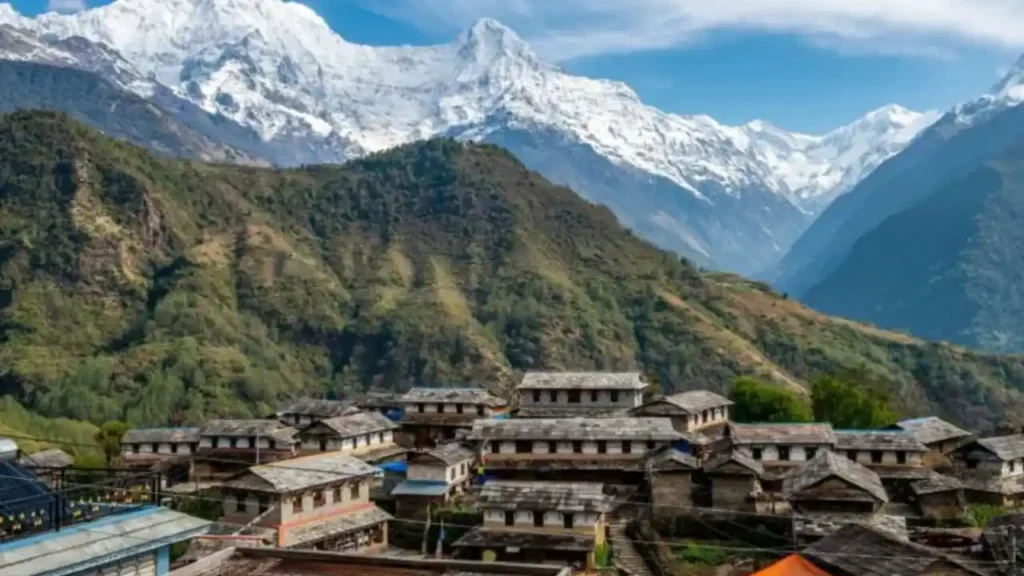
Ghandruk Village in Nepal is located in the Kaski District of the Gandaki Province of Nepal at an altitude of 1,940–2,012 meters. The village overlooks terraced fields, lush forests, and distant peaks like Machhapuchhre (Fishtail), Annapurna South, and Hiunchuli, offering some of the most iconic snow-covered mountain views in the Annapurna range.
The village is about 32 km northwest of Pokhara. While there is a rough jeep-accessible road, most travelers visit Ghandruk via a short trek or along the longer trekking trails of the Annapurna region. Its ridge-top location provides an excellent vantage point to enjoy the view of Annapurna while remaining immersed in village life.

History and Culture of Ghandruk Village in Nepal
Ghandruk Village has long been inhabited by the Gurung community, one of Nepal’s indigenous ethnic groups. The Gurungs have a proud history, traditionally serving in the British and Indian Gurkha regiments. Over time, Ghandruk developed as a peaceful mountain settlement, maintaining its traditional lifestyle and architecture while adapting to the natural Himalayan environment. The village’s location on a ridge at the foothills of the Annapurna Massif also made it an important stop for trade and travel in the region.
Key Cultural Highlights:
- Traditional Houses: Stone-built cottages with slate roofs and intricately carved windows are iconic to Nepal Ghandruk Village. This architecture reflects functionality and heritage, designed to withstand cold winters while blending seamlessly with nature.
- Festivals: Tamu Lhosar (Gurung New Year) is the most celebrated festival, featuring dances, traditional songs, and communal gatherings. Other local dances include Ghatu, Salaijo, and Rodhi.
- Lifestyle: Villagers live in harmony with nature. Terraced farming, livestock rearing, and weaving are common livelihoods. The village remains peaceful, with narrow stone lanes and communal spaces encouraging interaction with residents.
Highlights of Ghandruk Village
Ghandruk Village in Nepal is not just a stopover; it is an experience in itself.
Trekking and Views
- Short Treks: From Ghandruk, travelers can enjoy short hikes to viewpoints offering 360-degree vistas of the famous mountains in Nepal, including sunrise and sunset spots.
- Popular Trekking Routes: Ghandruk is a key stop on the Annapurna Base Camp Trek, Annapurna Sanctuary Trek, the Poon Hill Trek, and more. Trails from Nayapul, Birethanti, and Dhampus pass through forests, streams, and small settlements.
- Nature Walks: Explore nearby forests of oak and rhododendron or wander through terraced fields.
Cultural Exploration
- Gurung Cultural Museum: The small Gurung Museum in the village preserves traditional artifacts like clothing, jewelry, musical instruments, and household items.
- Village Walks: Stroll through narrow stone lanes, observe local cooking methods, and interact with families for authentic cultural experiences.
Local Cuisine
Ghandruk offers hearty dishes:
- Dal Bhat: The Nepali staple of lentils, rice, vegetables, and pickles.
- Momos and Thukpa: Popular snacks and soups.
- Local Specialties: Buckwheat pancakes (roti) and fermented greens (gundruk).
- Tea and local beverages: Freshly brewed milk tea, herbal teas, and traditional drinks like tongba.
Dining in homestays or teahouses provides an authentic experience where meals are made from locally grown vegetables, dairy products, and herbs.
Nearby Attractions
- Dhampus Village: A short hike from Ghandruk Village with panoramic mountain views.
- Poon Hill: Accessible via nearby trekking trails, famous for sunrise views over the Annapurna range.
- Meshram Baraha Temple: A nearby spiritual site showcasing local traditions.
- Natural streams and waterfalls: Quiet spots for relaxation in the surrounding landscapes.

How to Reach Ghandruk
By Road
From Pokhara, take a jeep or local bus to Nayapul or Kimche, then continue by vehicle or trek to Ghandruk Village. Roads can be rough, especially during the monsoon, and landslides may occur.
By Trekking
- From Nayapul: About 4–5 hours uphill through forest and small settlements.
- From Dhampus: Gradual ascent through terraced fields and rhododendron forests.
Trekking in Nepal along these trekking routes offers scenic views and interaction with local communities.
Permits required for Ghandruk
Visitors to Ghandruk, especially trekkers, need to obtain an Annapurna Conservation Area Project (ACAP) permit and a TIMS (Trekkers’ Information Management System) card if following official trekking routes.
- ACAP Permit: This is required to enter the Annapurna Conservation Area, which helps protect the region’s natural and cultural heritage. Fees vary for domestic and international visitors.
- TIMS Card: The TIMS card tracks trekkers in the region for safety purposes and is mandatory for trekking on official trails.
Where to Get Them: Both can be obtained in major cities like Pokhara or Kathmandu, or at the entry points of the Annapurna trekking routes.
Accommodation and Food in Ghandruk
Ghandruk Village offers a wide range of lodging:
- Teahouses and Lodges: From basic shared rooms to private, comfortable lodges, many provide hot meals, showers, and cozy common areas.
- Homestays: Staying with a traditional Gurung family is the best way to experience village life. Guests can join cooking, farming, or local storytelling sessions.
- Camping: For adventure seekers, camping near Ghandruk Village offers close encounters with nature and mountain views.
Food: Meals are made with locally sourced ingredients. Dal Bhat, momos, thukpa, seasonal vegetables, local cheese, and homemade pickles are commonly served. Many lodges offer breakfast items like porridge, eggs, and fresh bread.
Best Time to Visit Ghandruk
- Autumn (Sept–Nov): Clear skies, warm weather, and excellent view of Annapurna. This is the peak trekking season and is considered one of the best times to visit Nepal.
- Spring (Mar–May): Blooming rhododendrons and lush greenery; moderate temperatures make trekking pleasant.
- Winter (Dec–Feb): Cold mornings and evenings, fewer tourists, and snow-covered mountains enhance the scenery.
- Monsoon (Jun–Aug): Trails may be slippery; mountain views can be obscured, but the landscape is vibrant and green.

Practical Tips for your Ghandruk Visit
Here are some practical tips to help you stay safe, comfortable, and respectful while visiting Ghandruk:
- Clothing: Dress in layers; mornings and evenings can be cold. Waterproof jackets are useful during the monsoon if you’re hiking in the rain.
- Footwear: Wear sturdy shoes suitable for uneven stone paths.
- Photography: Bring a camera for breathtaking Himalayan ranges and Annapurna South views.
- Hydration & Health: Carry water, snacks, and basic medicines.
- Respect Local Culture: Dress modestly, ask before photographing locals, and observe village customs.
- Sustainable Travel: Support local businesses, stay in homestays, buy handicrafts, and reduce plastic use.
- Connectivity: Mobile signals may be weak; plan accordingly.
Final Thoughts
Ghandruk Village in Nepal is more than a village; it is a window into Nepalese culture, tradition, and the majestic Annapurna region. Whether trekking the Annapurna Base Camp, exploring the Annapurna range, or seeking a peaceful getaway, Ghandruk Village offers an unforgettable experience. From terraced fields and stone houses to the warm smiles of the traditional Gurung people, every step in this village tells a story of heritage, resilience, and natural beauty.
BeThere offers expert guides, personalized schedules, and treks like Annapurna Base Camp, Poon Hill, and cultural hikes, where you can stay in Ghandruk. Talk to our experts to plan your ideal trek.
Table of Content
FAQs
What is Ghandruk village in Nepal famous for?
Ghandruk is famous for its stunning views of Annapurna and Machhapuchhre (Fishtail) mountains, its traditional Gurung culture, and its stone-built houses. It’s also known as a popular stop for trekkers on routes like the Annapurna Base Camp and Poon Hill treks.
Do I need a permit to visit Ghandruk?
Yes. If you’re trekking through official routes, you’ll need an Annapurna Conservation Area Project (ACAP) permit and a TIMS card. These can be obtained in Kathmandu, Pokhara, or at the entry points to the Annapurna region.
Which is the best month to visit Ghandruk?
The best months to visit Ghandruk are October and November during autumn and March to May in spring. These seasons offer clear skies, moderate temperatures, and the best mountain views.
Which treks include Ghandruk Village?
Ghandruk is a key stop on several famous treks, including the Annapurna Base Camp Trek, Poon Hill Trek, and short Ghandruk Loop Trek. These routes combine cultural exploration with spectacular Himalayan scenery.
How long does it take to reach Ghandruk from Pokhara?
It takes about 3 to 4 hours by jeep from Pokhara to Ghandruk, or 4 to 5 hours of trekking from Nayapul through forests and terraced fields.
Is there internet access in Ghandruk?
Internet and mobile signals are available but can be weak in some areas. A few teahouses offer Wi-Fi, but it’s best to carry some cash.

Recent Blogs
Need help choosing a trail?
Connect with a local and plan your perfect trek.