
- PUBLISHED
How Difficult Is Mera Peak Climbing in Nepal?
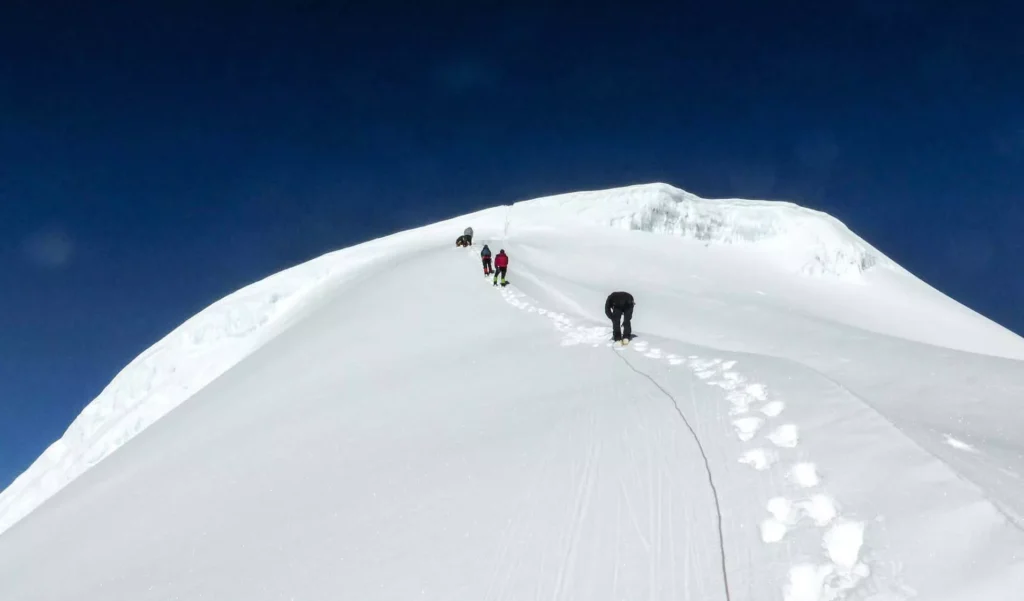
Nestled in the heart of the Himalayas, Mera Peak (6,476 meters / 21,247 feet) is one of Nepal’s most popular trekking peaks. Known for its breathtaking views of Everest, Makalu, and Kanchenjunga, Mera Peak offers adventurers the thrill of high-altitude climbing without the extreme technical challenges of Nepal’s more formidable mountains. For first-time climbers exploring Peak Climbing in Nepal, understanding the difficulty, preparation, and risks associated with Mera Peak is essential.
This guide will provide an in-depth look at the challenges, preparation, and insights you need to successfully climb Mera Peak, helping you plan a safe and unforgettable adventure.
How Difficult is Mera Peak?
Climbing Mera Peak is considered moderately challenging, offering an ideal introduction to high-altitude Himalayan expeditions. While it doesn’t demand advanced technical climbing skills, several factors contribute to its difficulty:
Altitude Challenge
At over 6,000 meters (21,247 feet), the thin mountain air makes breathing harder and increases the risk of Acute Mountain Sickness (AMS). Even experienced trekkers may feel headaches, nausea, or fatigue. Careful acclimatization and gradual ascent are essential to minimize altitude-related issues.
Technical Grading
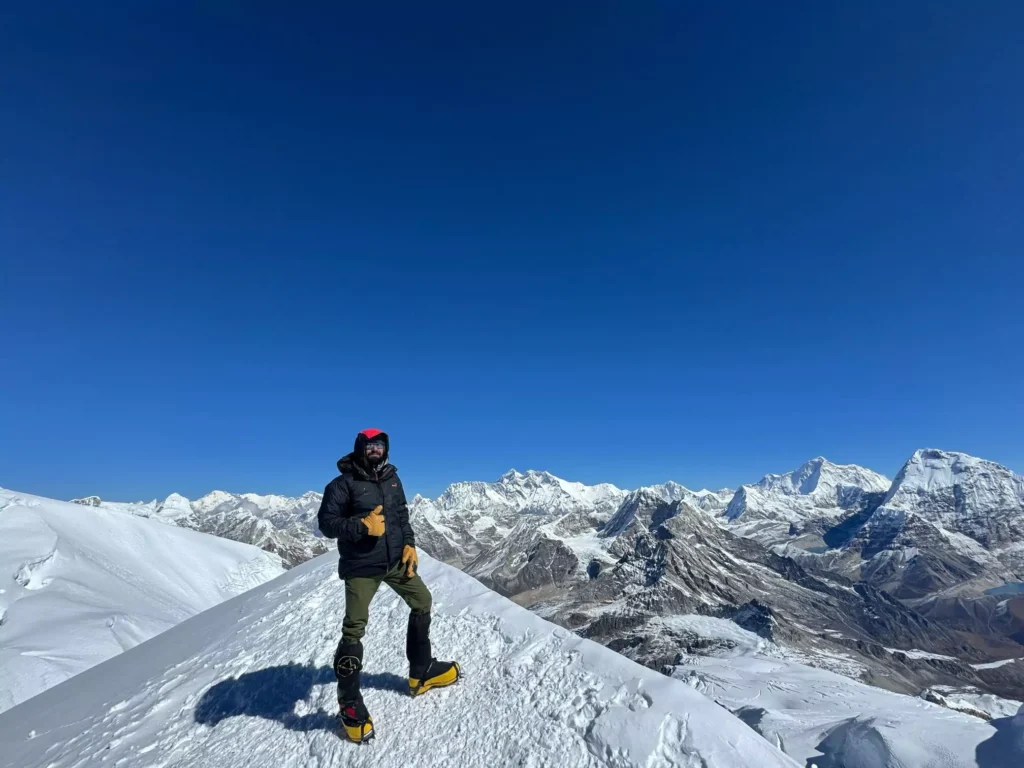
Mera Peak is classified as PD (“Peu Difficile”) under the International French Alpine System (IFAS). This means the climb is moderately difficult, it includes glacier walking and steep snow slopes but generally does not require advanced climbing techniques.
Terrain Features
The route to the summit involves diverse terrain:
- Glacier walks: Requires caution due to crevasses and slippery surfaces.
- Steep snow slopes (35–45°): Demands the use of crampons and ice axes.
- Rocky and icy patches: Common in higher camps and summit sections.
Weather Unpredictability
Himalayan weather is highly variable. Climbers can encounter sudden storms, freezing temperatures, and low visibility, especially near the summit. Planning your expedition during the best time to visit Nepal significantly improves safety and summit success.
Physical Endurance
The climb involves long trekking days over remote and rugged terrain. Daily ascents of 5–8 hours at progressively higher altitudes test both endurance and mental resilience. Proper training to prepare for Mountain Climbing is necessary for a successful climb.
Comparing Mera Peak with Other Trekking Peaks
Mera vs Island Peak
Island Peak Climbing (Imja Tse) is one of Nepal’s most popular trekking peaks, standing at 6,189 meters (20,305 ft). While slightly lower than Mera Peak, it is considered more technically demanding, with steeper snow slopes, fixed rope sections, and optional routes via the Amphu Lapcha Pass. Mera Peak, on the other hand, offers a less technical route with high-altitude exposure, making it ideal for climbers seeking their first Himalayan summit.
Feature
Mera Peak
Island Peak
Key Difference
Altitude
6,476 m (21,247 ft)
6,189 m (20,305 ft)
Mera Peak is slightly higher, offering expansive Himalayan views
Technical Difficulty
Moderate (PD – Peu Difficile)
Higher, includes fixed ropes and steeper snow slopes
Island Peak is more technical; Mera Peak is less challenging
Route Features
Glacier walking, snow slopes 35–45°
Steep snow slopes, optional Amphu Lapcha Pass
Island Peak requires more climbing techniques; Mera Peak focuses on endurance and glacier navigation
Best For
First-time Himalayan climbers, those seeking less technical high-altitude experience
Climbers with some technical mountaineering experience
Mera Peak is beginner-friendly; Island Peak suits more experienced climbers
Mera vs Lobuche Peak
Lobuche Peak (6,119 meters / 20,075 ft) is located near the Everest region and is popular among trekkers, combining summit climbs with Everest Base Camp treks. While it has a lower altitude than Mera Peak, it presents moderate to high technical challenges, including rope sections and rocky terrain. Mera Peak remains less technical and slightly more remote, offering climbers a balanced high-altitude experience without advanced technical requirements.
Feature
Mera Peak
Lobuche Peak
Key Difference
Altitude
6,476 m (21,247 ft)
6,119 m (20,075 ft)
Mera Peak is higher, providing wider Himalayan vistas
Technical Difficulty
Moderate (PD – Peu Difficile)
Moderate to High, rope sections, rocky terrain
Lobuche Peak is more technical in certain sections; Mera Peak is simpler
Route Features
Glacier walks, snow slopes 35–45°
Rope sections, rocky terrain, shorter approach trek
Lobuche Peak has more technical climbing elements; Mera Peak emphasizes endurance and high-altitude trekking
Best For
Beginners or first-time Himalayan climbers
Adventurers near Everest Base Camp seeking moderate technical climbing
Mera Peak is better for newcomers; Lobuche Peak suits climbers wanting moderate technical experience
Preparation & Training
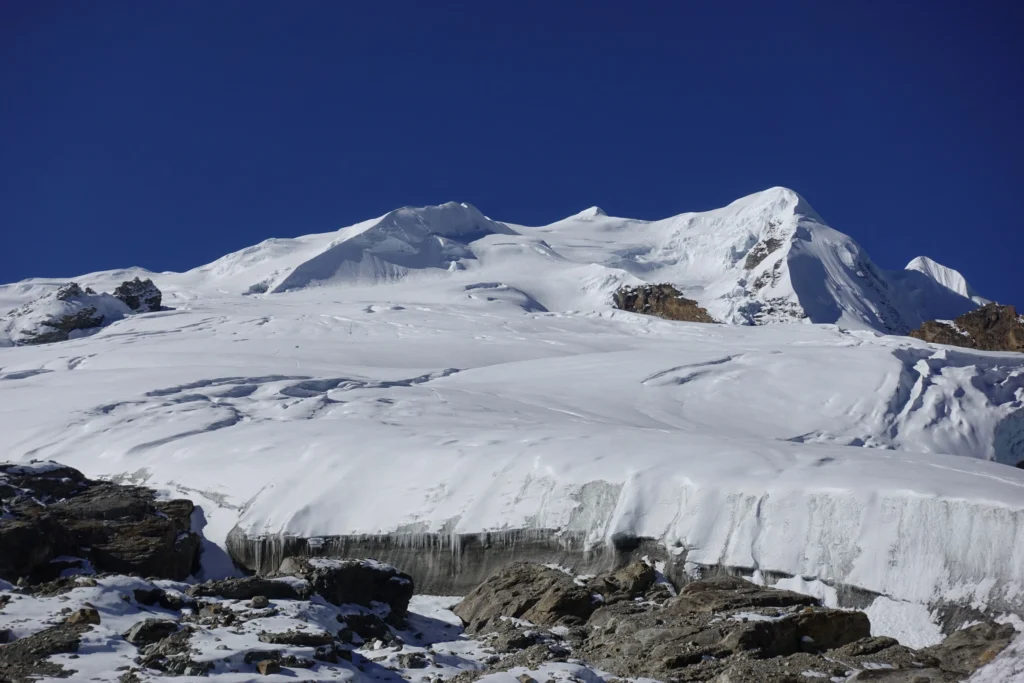
Climbing Mera Peak requires a combination of fitness, mountaineering skills, proper acclimatization, and mental readiness. Following a Mountaineering Guide can significantly improve your preparation.
- Fitness Requirements: Strong cardiovascular endurance and leg/core strength are essential for long trekking days at high altitude. Include running, cycling, hiking with a weighted backpack, and strength exercises in your training.
- Mountaineering Skills: Even though Mera Peak is an introductory peak, climbers should know ice axe and crampon use and basic rope handling for glacier and steep snow sections.
- Acclimatization Strategies: Prevent altitude sickness by ascending gradually, taking rest days at higher camps, staying hydrated, and eating energy-rich meals.
- Gear Checklist: Essential gear includes mountaineering boots, harness, helmet, layered clothing, gloves, and trekking poles. Proper equipment ensures both safety and comfort.
- Mental Preparation: Prepare for remote terrain, long expedition days, and variable weather. Mental resilience is as important as physical fitness when dealing with fatigue or high-altitude challenges.
Route & Itinerary Insights
The classic Mera Peak itinerary follows a scenic and gradual acclimatization route starting from Kathmandu and flying into Lukla. The trail weaves through traditional Sherpa settlements, high mountain passes, and glacial terrain, offering a balanced mix of cultural and alpine experiences.

Standard Route Overview (Via Zatrwa La & Khare)
The journey begins with a short flight from Kathmandu to Lukla (2,860m), followed by a descent towards Paiya (2,730m) and the lush forests leading to Pangkoma (2,850m). From here, trekkers enter remote valleys, climbing steadily to Ningsma (2,745m) and Chhetra Khola (3,150m).
A major highlight is crossing the Zatrwa La Pass (4,610m), a high point that opens the gateway to the Hinku Valley. After descending, the trail passes through Thulikharka (3,900m) before reaching the alpine settlement of Kothe (3,600m).
Khare to Base Camp: The Climbing Section Begins
From Kothe, trekkers ascend through wide valleys to Thangnak (4,350m) and continue to Khare (5,045m), the main acclimatization and training hub. Here, climbers receive glacier training and prepare for the summit push.
The route then climbs toward Mera Peak Base Camp (5,300m), followed by a steep ascent to High Camp (5,780m), a stunning ridge overlooking Everest, Lhotse, and Makal
Summit Push: Mera Peak (6,476m)
The final summit day involves a gradual glacier traverse, roped travel, and a final steep section leading to the summit of Mera Peak (6,476m). The panoramic view from the top is one of the finest in the Himalayas.
Duration
The standard itinerary requires 18 days, allowing proper acclimatization and a safe ascent.
More Related Blogs
Best Season to Climb Mera Peak in Nepal
Choosing the right season is crucial for a safe and successful Mera Peak expedition. Each season brings unique conditions, challenges, and experiences. Here’s a breakdown of what to expect:
Spring (March–May)
Spring brings stable weather and blooming landscapes, making it the most popular season for first-time Mera Peak climbers.
- Weather / Temperature: Moderate and generally stable.
- Trail Conditions: Snow remains at higher altitudes, while trekking trails are clear and accessible.
- Visibility / Scenery: Clear skies with panoramic Himalayan views; rhododendrons in full bloom along the trails.
- Challenges / Risks: Minimal; suitable for first-time climbers.
- Recommendation: Highly recommended for safety, scenery, and ideal summit conditions.
Autumn (September–November)
Autumn offers crisp air and clear mountain views after the monsoon, making it ideal for trekking and photography.
- Weather / Temperature: Cool and stable post-monsoon.
- Trail Conditions: Dry, well-trodden trails; trekking conditions are excellent.
- Visibility / Scenery: Exceptional visibility with views of Everest, Makalu, Kanchenjunga, and surrounding peaks.
- Challenges / Risks: Low; popular season means more trekkers on the route.
- Recommendation: Excellent choice, especially for photography and clear mountain vistas.
Winter (December–February)
Winter is cold and challenging, with icy trails and shorter daylight, suitable only for experienced mountaineers.
- Weather / Temperature: Extremely cold; can drop below -20°C at high camps.
- Trail Conditions: Ice-covered trails and glaciers, making navigation and climbing more difficult.
- Visibility / Scenery: Clear days are possible, but daylight is shorter.
- Challenges / Risks: Higher risk of frostbite, snowstorms, and fatigue due to extreme cold.
- Recommendation: Only for experienced climbers equipped with specialized winter gear.
Summer / Monsoon (June–August)
Summer coincides with the monsoon season, bringing heavy rain, slippery trails, and limited visibility, making climbing more difficult.
- Weather / Temperature: Warm in the lower regions, but heavy rainfall at higher altitudes.
- Trail Conditions: Slippery and muddy; increased risk of landslides and avalanches.
- Visibility / Scenery: Cloudy conditions, often obscuring Himalayan views.
- Challenges / Risks: Difficult trekking conditions, wet gear, higher chance of altitude-related problems.
- Recommendation: Generally not recommended for summit attempts; better suited for trekking practice or lower-altitude exploration.
This structure gives readers a clear understanding of seasonal differences, helping them plan the best time for a safe and memorable Mera Peak climb.
Cost & logistics for Mera Peak Climbing in Nepal
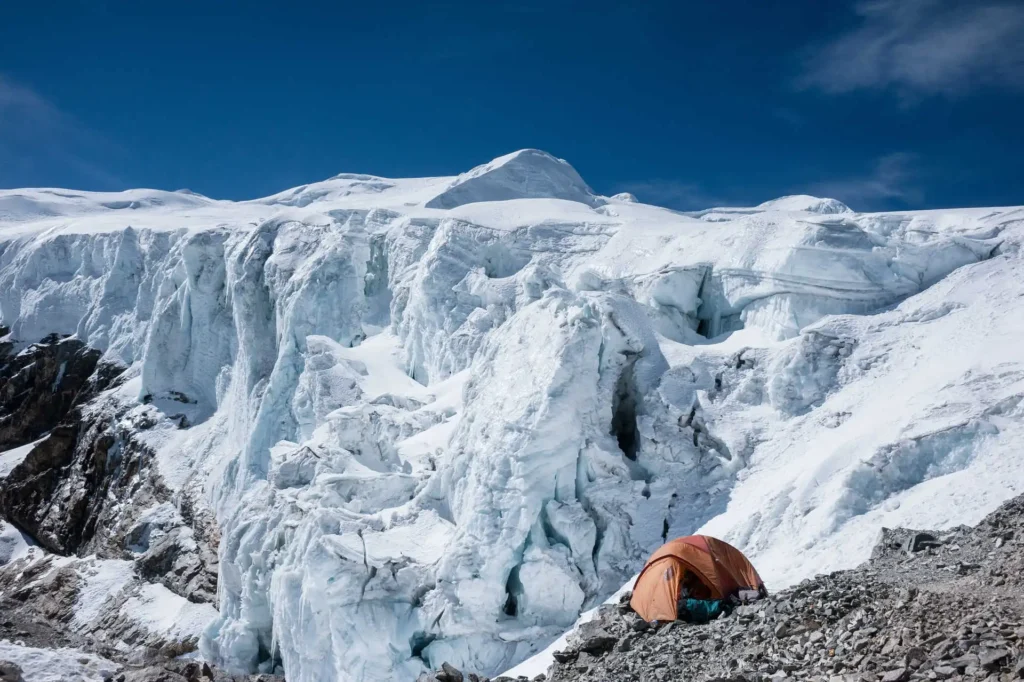
A Mera Peak expedition involves more than just physical preparation. Proper planning for permits, guides, insurance, and budget is essential.
- Permit Fees: Climbers must obtain a trekking peak permit from the Nepal Tourism Board. Fees vary by nationality and season, and are mandatory for legally climbing Mera Peak.
- Guide & Porter Services: Professional guides are highly recommended. They provide expert navigation, route safety, and support during glacier walks and steep snow slopes. Porters help carry equipment and supplies, allowing climbers to conserve energy for the summit push.
- Travel Insurance: Comprehensive insurance covering high-altitude trekking, medical emergencies, and helicopter evacuation is mandatory. Nepal’s remote terrain makes insurance essential for safe expeditions.
- Budget Range: The cost of a typical Mera Peak expedition ranges between $2,500–$4,500. Packages generally include:
- Trekking peak permit fees
- Guide and porter services
- Accommodation and food during the trek
- Basic mountaineering equipment support
Tip: When choosing an expedition package, consider both cost and quality of services, ensuring experienced guides, proper equipment, and insurance coverage for a safe and enjoyable climb.
Conclusion
Mera Peak is one of the most rewarding introductory Himalayan climbs, offering a perfect balance of challenge and accessibility. While the altitude above 6,000 meters makes the expedition demanding, fit trekkers with the right preparation, proper acclimatization, and guided support from BeThere can successfully reach the summit.
From glacier walks to panoramic views of Everest, Makalu, and Kanchenjunga, Mera Peak delivers an unforgettable adventure, especially for those aiming for their first major Himalayan summit. With thoughtful planning, physical training, and the right mindset, this climb becomes a journey to remember. For personalized guidance, itinerary details, or any questions, you can easily Contact Us to plan your Mera Peak adventure.
Table of Content
Frequently Asked Questions
How difficult is Mera Peak?
Mera Peak is considered a non-technical trekking peak, but the altitude makes it challenging. Climbers must be prepared for long trekking days, glacier travel, cold temperatures, and thin air above 6,000 meters. With proper acclimatization and a guide, it’s achievable for fit trekkers.
Which is the toughest trek in Nepal?
The Kanchenjunga Trek and the Upper Dolpo Trek are often considered among the toughest due to extreme remoteness, long durations, and demanding terrain. For peak climbing, Ama Dablam and technical climbs like Island Peak via Amphu Lapcha are more challenging.
Is Mera Peak harder than Kilimanjaro?
Mera Peak is generally harder than Kilimanjaro because it involves glacier walking, colder temperatures, and a higher summit. Kilimanjaro is a high trek, while Mera Peak is a climb requiring basic mountaineering skills.
Do you need oxygen to climb Mera Peak?
Supplemental oxygen is not normally required, but the high altitude (6,476m) can be difficult for some climbers. Guided groups carry emergency oxygen and medical kits for safety.
How fit do you need to be for Mera Peak?
Climbers should have strong cardiovascular endurance, good leg strength, and the ability to walk for 6–8 hours a day. Prior high-altitude experience helps, but is not mandatory with proper training and acclimatization.
Which mountain is known as the killer mountain of Nepal?
Annapurna I is often called the “Killer Mountain” due to its historically high fatality rate, especially on technical climbing routes.
Is Mera Peak safe to climb?
Yes, Mera Peak is considered one of the safer trekking peaks when climbed in the right season with a certified guide. The main risks include altitude sickness, weather changes, and cold temperatures.
How do Sherpas carry so much weight?
Sherpas are naturally adapted to high-altitude living and have exceptional lung capacity, stamina, and physical conditioning. Their lifestyle, genetics, and years of mountaineering experience allow them to carry heavy loads efficiently, even in extreme terrain.

Recent Blogs
Need help choosing a trail?
Connect with a local and plan your perfect trek.