
- PUBLISHED
How High is Everest Base Camp?
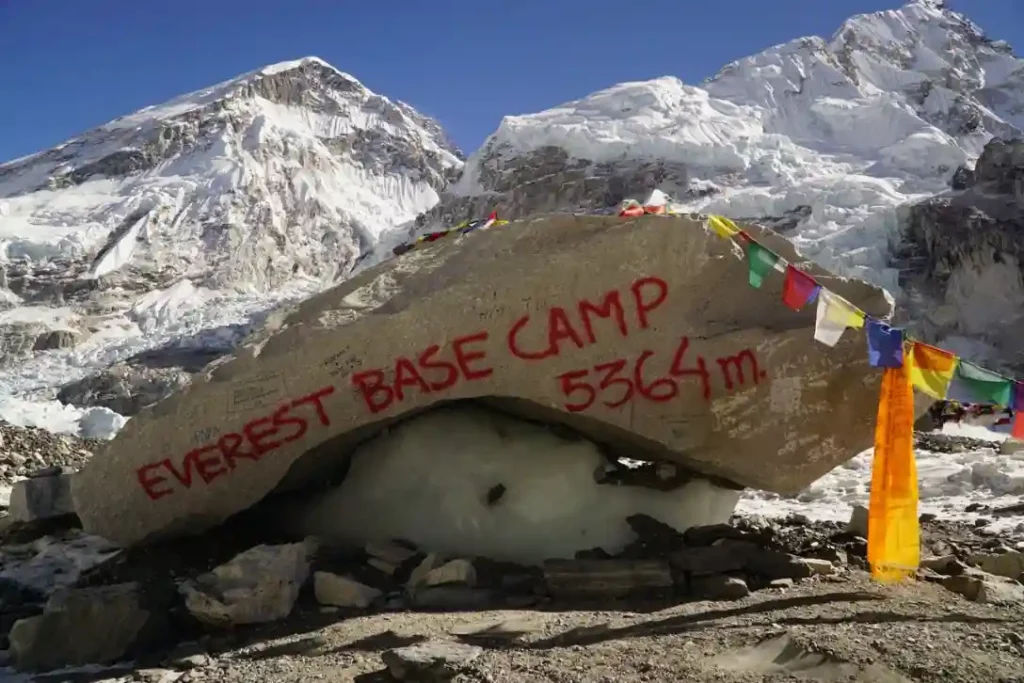
Everest Base Camp (EBC) is one of the most iconic trekking destinations in the world. Nestled in the shadow of the planet’s tallest peak, it draws adventurers and nature enthusiasts from across the globe. For anyone planning this journey, a key question often arises: how high is Everest Base Camp? Understanding the Everest Base Camp altitude is essential not only for planning your trek but also for preparing for the physical challenges that come with high-altitude trekking. In this guide, we’ll explore the EBC height, trek details, route maps, and tips to ensure a safe and memorable adventure.
Key Takeaways
- Everest Base Camp altitude: South Base Camp – 5,364 m (17,598 ft), North Base Camp – 5,150 m (16,900 ft).
- EBC is one of the highest trekking destinations in the world.
- Everest Base Camp height affects acclimatization and requires careful preparation.
- The South Route (Nepal) is more popular; the North Route (Tibet/China) is less crowded and more remote.
- Trekking duration: 12–16 days for the South Route, 10–14 days for the North Route.
- Acclimatization is crucial to prevent altitude sickness.
- Best trekking seasons: Spring (March–May) and Autumn (September–November).
- Gear and training preparation can make the trek safer and more enjoyable.
Everest Base Camp Elevation Guide: EBC Height
When people ask how high Everest Base Camp is, they often don’t realize that there are actually two official base camps: one on the southern side of Mount Everest in Nepal and one on the northern side in Tibet/China. While both serve as launching points for Everest expeditions, their altitude, accessibility, and trekking experience differ.
South Base Camp (Nepal)
The South Everest Base Camp, located in Nepal’s Khumbu region, sits at an elevation of 5,364 meters (17,598 feet) above sea level. This is the most popular and widely visited base camp, especially among trekkers who aim to experience Everest without attempting the summit.
Reaching the South Base Camp requires a multi-day trek through Sherpa villages, suspension bridges, alpine forests, and glacial valleys. Because of its high elevation, trekkers gradually acclimatize along the way, usually spending rest days in places like Namche Bazaar and Dingboche. The Everest Base Camp altitude here plays a major role in how the body responds, making slow ascent and proper acclimatization essential.
North Base Camp (Tibet/China)
The North Everest Base Camp is located at an elevation of 5,150 meters (16,900 feet). Although it is slightly lower than the South Base Camp, it offers a dramatically different experience. Access is typically by vehicle rather than a long trek, and the area is far less crowded.
This base camp provides a striking view of Everest’s northern face and is primarily used by climbers approaching from the Tibetan side. While the Everest Base Camp height here is marginally lower, altitude-related challenges still exist, and visitors must be mindful of symptoms related to thin air.
Why Everest Base Camp Height Matters
Understanding the Everest Base Camp altitude is critical for anyone planning the journey. At elevations above 5,000 meters, oxygen levels are significantly lower than at sea level, increasing the risk of altitude sickness. The height also influences trekking pace, gear selection, weather conditions, and overall safety.
Whether approaching from the south or the north, knowing how tall Base Camp Everest is helps trekkers prepare physically and mentally for one of the world’s most remarkable high-altitude adventures.
Everest Base Camp Altitude: Quick Facts
Knowing the Everest Base Camp altitude helps in planning gear, acclimatization schedules, and the pace of your trek. Here’s a quick overview:
- Height of South Base Camp (Nepal): 5,364 meters / 17,598 feet
- Height of North Base Camp (Tibet/China): 5,150 meters / 16,900 feet
- Comparison with Other Famous Base Camps:
- Kilimanjaro Base Camp: 3,720 meters / 12,205 feet
- Denali Base Camp: 2,000 meters / 6,561 feet
- Annapurna Base Camp: 4,130 meters / 13,550 feet
Clearly, Everest Base Camp’s altitude places it among the highest trekking destinations on Earth, demanding proper preparation and awareness for a safe and successful journey.
Trekking to Everest Base Camp
Trekking to Everest Base Camp is not just about reaching a destination; it’s about the journey through some of the world’s most breathtaking landscapes. Here’s what you need to know:
Popular Trekking Routes (South vs. North):
- South Route (Nepal): Begins in Lukla and passes through Namche Bazaar, Tengboche, Dingboche, and Lobuche before reaching EBC. This route is scenic and well-supported by teahouses and lodges.
- North Route (Tibet/China): Less crowded, starting from the Tibetan plateau, offering spectacular views of the northern face of Everest. Infrastructure is limited, and permits are required.
Duration and Distance:
- South Route: 12–16 days round trip, approximately 130 km (80 miles)
- North Route: 10–14 days round trip, approximately 110 km (68 miles)
Typical Starting Point: Lukla Airport (Nepal) is the most common starting point for the South Route. This short flight from Kathmandu lands you in the heart of the Everest region.
Planning a trip to Nepal or Everest Base Camp?
Explore more travel guides, adventure ideas, and nature-focused experiences on BeThere to make your journey unforgettable.
Everest Base Camp Trekking Itinerary with Detailed Route Map
For trekkers, having a clear itinerary and route map is essential. Here’s a day-by-day breakdown of the South Route:
Day 01: Arrival in Kathmandu
Arrive at Tribhuvan International Airport, transfer to your hotel, and settle in. Explore Thamel or attend a welcome briefing about your trek.
Day 02: Preparation Day in Kathmandu
Rest, prepare gear, and get ready for the scenic flight to Lukla.
Day 03: Fly to Lukla (2,840m) & Trek to Phakding (2,610m)
Enjoy the stunning Lukla flight. Trek gently along the Dudh Koshi River to Phakding, easing into the trail.
Day 04: Trek from Phakding (2,610m) to Namche (3,440m)
Ascend to Namche Bazaar, enjoying views of Everest, Lhotse, and Ama Dablam.
Day 05: Acclimatize Day in Namche (3,440m)
Rest and explore Namche with optional hikes to Everest View Hotel or Khumjung village.
Day 06: Trek from Namche to Debuche (3,820m) via Tengboche Monastery
Trek past Phunki Tenga to visit Tengboche Monastery before descending to Debuche for the night.
Day 07: Trek from Debuche to Dingboche (4,410m)
Pass through Pangboche and enter Dingboche valley, preparing for higher altitudes.
Day 08: Acclimatize Day in Dingboche; Optional Hike to Nagarjun Hill
Rest and acclimatize, or take a challenging hike for panoramic views of Makalu, Lhotse, and Island Peak.
Day 09: Trek from Dingboche to Lobuche via Thukla Memorial Pass (4,940m)
Climb Thukla Pass, visit the climbers’ memorial, and continue to Lobuche.
Day 10: Early Morning Trek from Lobuche to Gorakshep to Everest Base Camp (5,364m); Overnight in Gorakshep
Reach Everest Base Camp, take photos at the iconic site, and return to Gorakshep for the night.
Day 11: Early Morning Hike to Kala Patthar & Trek to Pheriche (4,240m)
Climb Kala Patthar for sunrise views of Everest, then descend to Pheriche.
Day 12: Trek from Pheriche to Namche (3,440m)
Descend through Pangboche and Tengboche, arriving at Namche for rest and a warm meal.
Day 13: Trek from Namche to Lukla (2,840m)
Final trek along the Dudh Koshi River back to Lukla, celebrating your achievement.
Day 14: Fly Back to Kathmandu & Free Day
Return to Kathmandu, relax, explore Thamel, shop, or enjoy local cuisine.
Day 15: Final Departure
Transfer to the airport for your flight home, taking unforgettable memories of your Everest Base Camp journey.
Tip: The North Route follows a similar day-wise structure but with different villages and slightly less crowded trails.
Effects of Altitude on Everest Base Camp Trekking
The Everest Base Camp altitude can have significant effects on the human body. Even experienced trekkers can experience symptoms of high-altitude exposure:
- Altitude Sickness (Acute Mountain Sickness): Headaches, nausea, fatigue, and dizziness
- Reduced Oxygen Levels: Breathing becomes more difficult above 3,500 meters
- Acclimatization Tips:
- Ascend gradually and plan rest days
- Stay hydrated and eat high-energy meals
- Avoid alcohol and strenuous activity during the first few days
Understanding the Everest Base Camp height and its impact on your body ensures a safer, more enjoyable trek.
Climate and Weather at Everest Base Camp
The weather can be unpredictable at high altitudes. Knowing the climate at Everest Base Camp is vital:
Temperature:
- Winter: -20°C to -30°C (-4°F to -22°F)
- Spring/Autumn (trekking season): -5°C to 15°C (23°F to 59°F)
Seasons:
- Best trekking months: March–May and September–November
- Monsoon season (June–August) brings heavy rainfall and landslides
Gear Recommendations: Warm layered clothing, insulated boots, gloves, and a reliable sleeping bag
The weather directly affects trekking safety, so always check forecasts before your journey.
When Is the Best Time to Visit Everest Base Camp?
Choosing the right time to visit Everest Base Camp can make a huge difference in your overall trekking experience. Weather, visibility, trail conditions, and even crowd levels all vary by season. Because of the Everest Base Camp altitude, timing your trek correctly is especially important for safety and comfort.
Spring Season (March to May) – Best Overall Time
Spring is widely considered the best time to visit Everest Base Camp. As winter fades, temperatures become more manageable, and the trails come alive with color and activity.
- Weather: Stable and relatively mild
- Daytime temperatures: 50°F to 59°F (10°C to 15°C) at lower elevations
- Visibility: Excellent mountain views, including Everest, Lhotse, and Ama Dablam
- Highlights: Rhododendron forests in bloom and active Everest climbing expeditions
Spring also offers safer trekking conditions due to lower snowfall and clearer skies, making it ideal for first-time trekkers.
Autumn Season (September to November) – Best for Clear Views
Autumn is another prime season and is often favored by trekkers who want the clearest mountain views.
- Weather: Dry, stable, and crisp
- Visibility: Outstanding, especially after the monsoon clears the dust from the air
- Temperatures: Cool mornings and evenings, comfortable daytime hiking
- Crowds: Busy, but slightly less hectic than spring
This season is perfect for photographers and trekkers who want consistent weather while experiencing the Himalayas at their most dramatic.
Winter Season (December to February) – For Experienced Trekkers
Winter trekking to Everest Base Camp is possible but challenging.
- Weather: Extremely cold, especially at night
- Temperatures: Can drop below -4°F (-20°C) at higher elevations
- Crowds: Very few trekkers, offering a quiet experience
- Challenges: Snow-covered trails and flight delays to Lukla
Winter is best suited for experienced trekkers who are comfortable with cold conditions and flexible travel plans.
Monsoon Season (June to August) – Least Recommended
The monsoon season brings heavy rainfall and unpredictable conditions.
- Weather: Wet and humid at lower elevations
- Visibility: Limited due to clouds and mist
- Trail conditions: Slippery, with a higher risk of landslides
- Benefit: Fewer crowds and lush green landscapes
While trekking during the monsoon is possible, it’s generally not ideal due to safety and visibility concerns.
Best Time Based on Experience Level
- First-time trekkers: Spring or autumn
- Photography-focused trekkers: Autumn
- Experienced trekkers seeking solitude: Winter
Fun Facts About Everest Base Camp
EBC is more than just a high-altitude destination. Here are some interesting facts:
- Base camps have been used since the early 1920s for Everest expeditions.
- EBC South is the more visited and developed camp, while North Base Camp is remote.
- Thousands of trekkers reach EBC every year without attempting the summit.
- Kala Patthar offers the best panoramic views of Everest without climbing the summit.
These fun facts highlight why Everest Base Camp remains a bucket-list destination.
How to Prepare for the Altitude
Preparation is key to a safe and enjoyable trek:
- Physical Training: Cardio, leg strength, and endurance exercises
- Gear Checklist: Layered clothing, trekking poles, sturdy boots, sun protection
- Acclimatization: Gradual ascent, rest days, optional short hikes for adjustment
- Guides and Permits: Hiring a local guide improves safety and navigation
Proper preparation helps minimize risks associated with the Everest Base Camp altitude.
Conclusion
Reaching Everest Base Camp is a rewarding achievement that combines breathtaking landscapes, cultural encounters, and personal accomplishment. Knowing how high Everest Base Camp is and understanding the Everest Base Camp altitude are crucial for planning, safety, and enjoying every step of the trek.
With careful preparation, respect for the environment, and proper acclimatization, the EBC trek with BeThere offers an unforgettable adventure, combining expert guidance, well-planned itineraries, and a truly immersive experience in the heart of the Himalayas.
Explore Related Blogs
Table of Content
Frequently Asked Questions
1. How high is Everest Base Camp?
Everest Base Camp South in Nepal sits at 5,364 meters (17,598 feet), while the North Base Camp in Tibet/China is slightly lower at 5,150 meters (16,900 feet). Knowing this altitude helps with acclimatization and planning a safe trek.
2. Can beginners trek to Everest Base Camp?
Yes. Beginners can trek with proper preparation, gradual acclimatization, and guided support. The South Route is ideal for first-time trekkers, offering teahouses, well-marked trails, and gradual elevation gain.
3. How long does it take to reach Base Camp?
The trek typically takes 12–16 days via the South Route from Lukla, including rest and acclimatization days. The North Route is shorter, about 10–14 days. Duration varies depending on fitness and pace.
4. What is the best time to trek to EBC?
The best seasons are spring (March–May) and autumn (September–November). These months offer stable weather, clear views of Everest, and comfortable trekking temperatures.
5. Is Everest Base Camp dangerous?
Trekking to EBC has risks mainly due to high altitude, sudden weather changes, and physical strain. With proper training, acclimatization, and a reliable guide, it is generally safe for most trekkers.
6. How tall is Everest Base Camp compared to Mount Everest?
Everest Base Camp South is 5,364 meters, while Mount Everest summit reaches 8,848 meters (29,029 feet). EBC serves as the launching point for climbers, sitting roughly 3,500 meters lower than the peak.
7. What is the 2 pm rule on Everest?
The “2 pm rule” is a guideline for climbers to turn back if they haven’t reached the summit by 2 pm. This reduces risk of descending in the dark and encountering severe weather.
8. How much does Everest Base Camp cost?
Trekking costs vary depending on packages, guides, permits, and accommodation. A typical guided South Route trek ranges from $1,200 to $3,000 per person, including flights, lodges, and meals.
9. What's the food like at Everest Base Camp?
Teahouses along the South Route serve local Nepali dishes like dal bhat (lentils and rice), momos (dumplings), and noodles. Western options like pasta, omelets, and soups are also available but slightly more expensive at higher altitudes.
10. How long should I train for Everest Base Camp?
Training 6–12 weeks in advance is recommended. Focus on cardio, leg strength, and endurance, including hiking with a loaded backpack. Consistent preparation reduces fatigue and improves acclimatization.

Need help choosing a trail?
Connect with a local and plan your perfect trek.