
- PUBLISHED
Is Nepal Safe to Travel and Trek After Gen Z Protests?
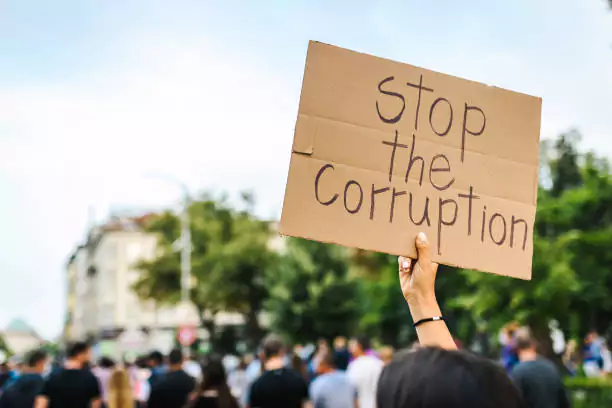
Nepal, a land of towering Himalayas, spiritual heritage, and warm hospitality, has long been a dream destination for travelers and trekkers worldwide. Recently, however, Nepal has been in the global spotlight due to youth-led demonstrations widely known as the Gen Z protests. As headlines circulate, many travelers are asking the same question: Is Nepal still safe to travel and trek after the protests?
The short answer is yes, Nepal remains safe for international visitors. The protests, while significant in the local political landscape, have not disrupted the country’s thriving tourism industry. Tourist buses have been able to move freely even during demonstrations, trekking routes remain unaffected, and both domestic and international flights continue to operate normally.
In this article, we’ll break down the facts about Nepal’s current situation, share recent updates, and explain why you can travel and trek here with confidence in 2025.
Key Takeaways
- Nepal is open and safe for travel despite the recent Gen Z protests.
- Protests have been concentrated in urban centers like Kathmandu, not in trekking regions.
- Tourist transportation (including buses to Pokhara and trekking trailheads) continues to operate smoothly.
- International flights to Tribhuvan International Airport and domestic flights to trekking hubs such as Lukla and Pokhara remain unaffected.
- The Nepal Tourism Board (NTB) has assured that travelers’ safety is a top priority and tourism services are running normally.
- The U.S. State Department has raised its travel advisory level, but the update mainly reflects caution in protest areas, not trekking regions.
- Trekking in popular regions such as Everest Base Camp, Annapurna, and Langtang remains safe and fully open.
Understanding the Gen Z Protests in Nepal
What sparked the protests?
The Gen Z protests in Nepal were primarily a reaction to widespread corruption in government and public institutions. Young Nepalis, many of whom are educated but facing unemployment, demanded an end to political favoritism, misuse of public funds, and lack of transparency. Corruption has long been a concern in Nepal, but this wave of protests marked a generational stand against it.
Were the protests violent?
Most demonstrations were peaceful, organized by students and young professionals. Some confrontations occurred with police, but these were isolated. Importantly, foreign tourists were not targeted, and protests were focused on government accountability rather than outsiders.
Current update (2025):
- Large-scale demonstrations have slowed, though anti-corruption sentiment remains strong.
- The Nepal Tourism Board (NTB) reaffirmed in its press release that tourism services, including trekking and flights, continue to operate normally.
- Tourist buses and airport operations were kept out of protest disruptions — clear evidence that Nepal separates political demonstrations from tourism.
Example: Even at the height of city protests, tourist buses traveling from Kathmandu to Pokhara and Chitwan National Park were allowed to move freely, showing that travelers are not caught up in these issues.
General Safety in Nepal for Tourists
For decades, Nepal has been considered one of the safest travel destinations in South Asia, and that reputation still holds true today, even after the recent Gen Z protests. The demonstrations have centered on anti-corruption demands and political reform, not on foreign visitors. For travelers, day-to-day experiences remain welcoming, secure, and enjoyable.
Tourists are not targeted
Foreign travelers are not the focus of protests. The issues at hand corruption and governance are strictly local matters. Visitors continue to explore Nepal freely, with no reports of harassment or targeting linked to the protests.
Safety in Cities
In urban centers like Kathmandu and Pokhara, where demonstrations are most visible, the main impact has been temporary traffic delays. Shops, hotels, restaurants, and cultural landmarks remain open. The Nepal Police often redirect traffic and set up safety zones to ensure tourists aren’t inconvenienced.
Transportation Security
- Air travel: Tribhuvan International Airport in Kathmandu is running normally with full security. Domestic airports like Pokhara, Lukla, and Bharatpur continue smooth operations.
- Road travel: Even during protest periods, tourist buses were given priority access, highlighting Nepal’s commitment to keeping tourism unaffected.
Official Stance
The Nepal Tourism Board (NTB) confirmed in its recent press release that “tourists can travel safely across Nepal, including trekking regions, without disruption.” Similarly, the U.S. State Department travel advisory encourages caution around protest sites but does not warn against trekking or tourism.
Popular Treks in Nepal (2025)
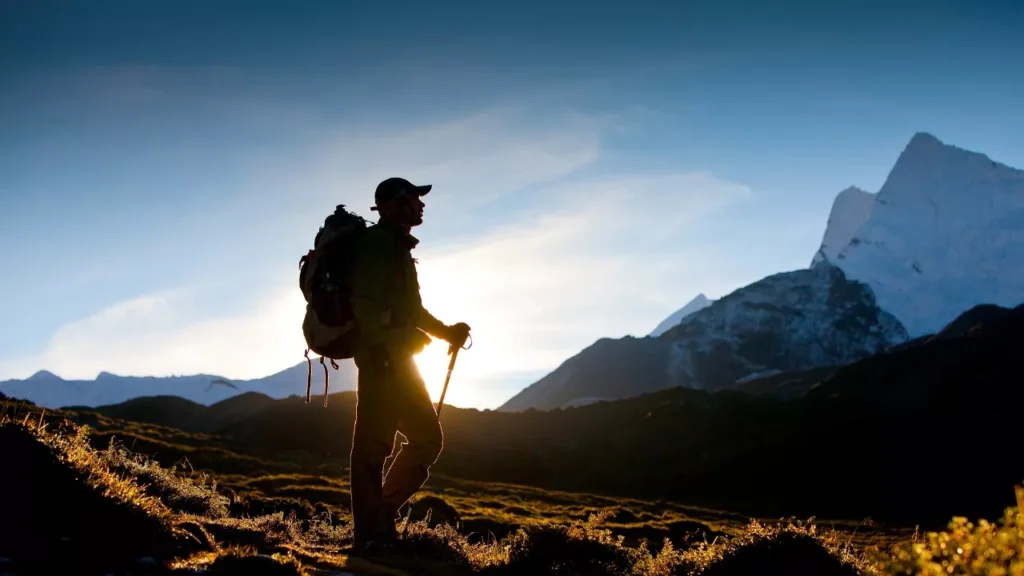
Trekking is the backbone of Nepal’s tourism industry, and the good news is that all major trekking routes are fully open and safe in 2025. Protests have been limited to cities and highways, leaving mountain regions untouched.
Everest Base Camp Trek
- Still the crown jewel of trekking in Nepal, the Everest Base Camp (EBC) trek is operating normally.
- Flights to Lukla Airport are on schedule, with occasional delays only due to weather, not protests.
- Tea houses along the trail continue to welcome trekkers warmly.
- Trekkers report a peaceful environment, with no hint of unrest in the Khumbu region.
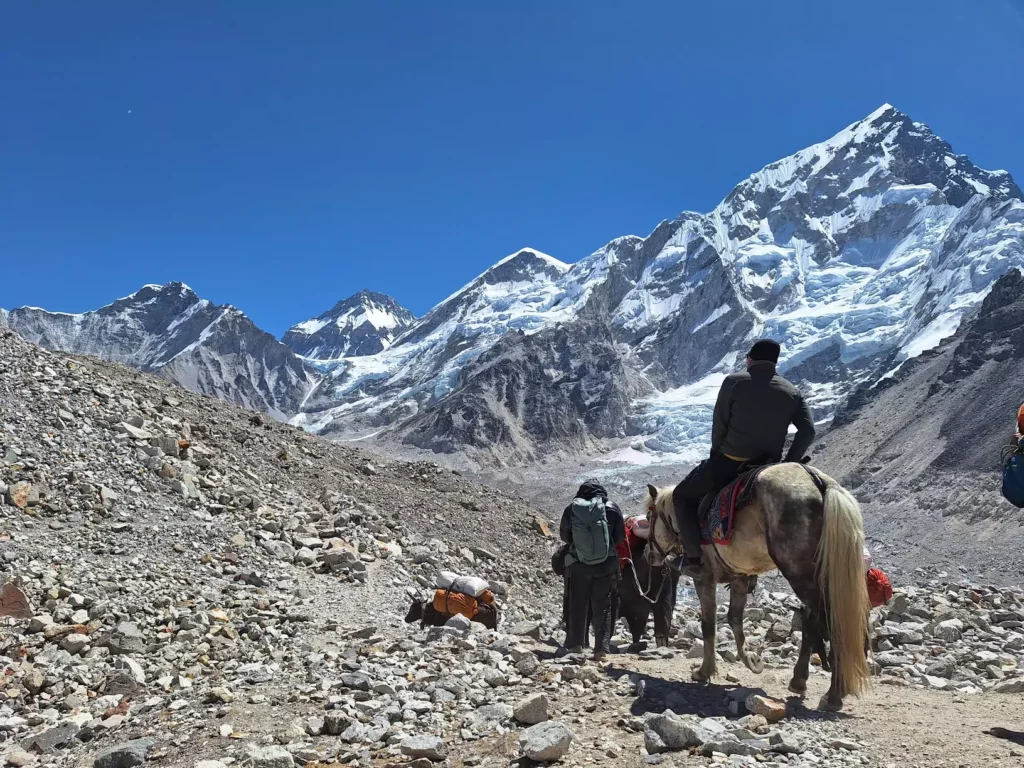
Annapurna Circuit & Annapurna Base Camp
- Centered around Pokhara, Nepal’s tourism capital, Annapurna treks remain safe and thriving.
- The Annapurna Circuit trek continues to offer diverse landscapes, from subtropical valleys to high mountain passes.
- The Annapurna Base Camp trek, popular for shorter itineraries, is equally unaffected.
- Pokhara itself has seen only small symbolic rallies, far from the trekking routes.
Langtang Valley Trek
- Just a few hours from Kathmandu, Langtang trek remains one of Nepal’s most underrated treks.
- The region, which relies heavily on tourism for recovery after the 2015 earthquake, is fully open.
- The peaceful mountain villages are unaffected by urban political events.
Manaslu Circuit Trek
- Known for being a quieter alternative to Annapurna and Everest, Manaslu circuit trek is attracting more trekkers in 2025.
- The trail is operating smoothly, with permits available through licensed agencies.
- As a restricted region, it benefits from well-regulated tourism infrastructure.
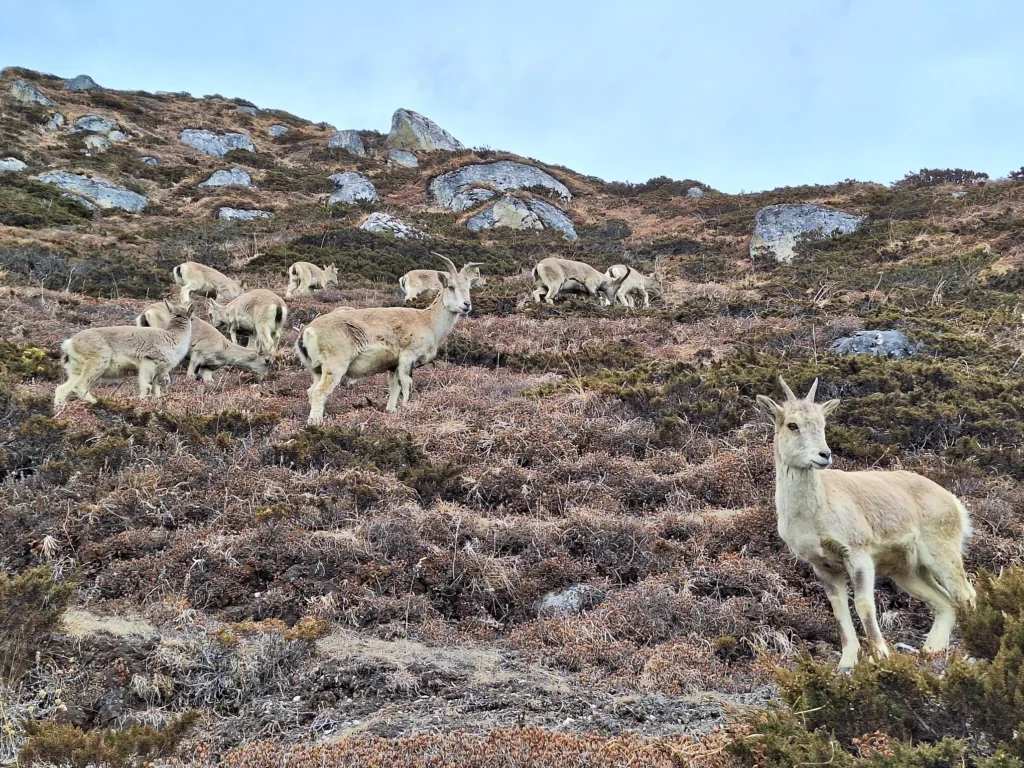
Upper Mustang Trek
- Upper Mustang trek near the Tibetan plateau is still one of Nepal’s most exclusive cultural journeys.
- Permits and flights to Jomsom are unaffected.
- Its remoteness makes it completely insulated from city-based unrest.
If trekking is your dream, Nepal in 2025 is as safe and rewarding as ever.
Why Visit Nepal Now?
Despite the political climate, there are strong reasons why 2025 is one of the best years to visit Nepal.
1. Safety and Stability for Tourists
Tourism remains untouched by protests. Trekking trails, domestic flights, and cultural landmarks are secure. Nepal’s hospitality industry has consistently gone the extra mile to ensure visitors feel safe.
2. World-Class Trekking and Scenery
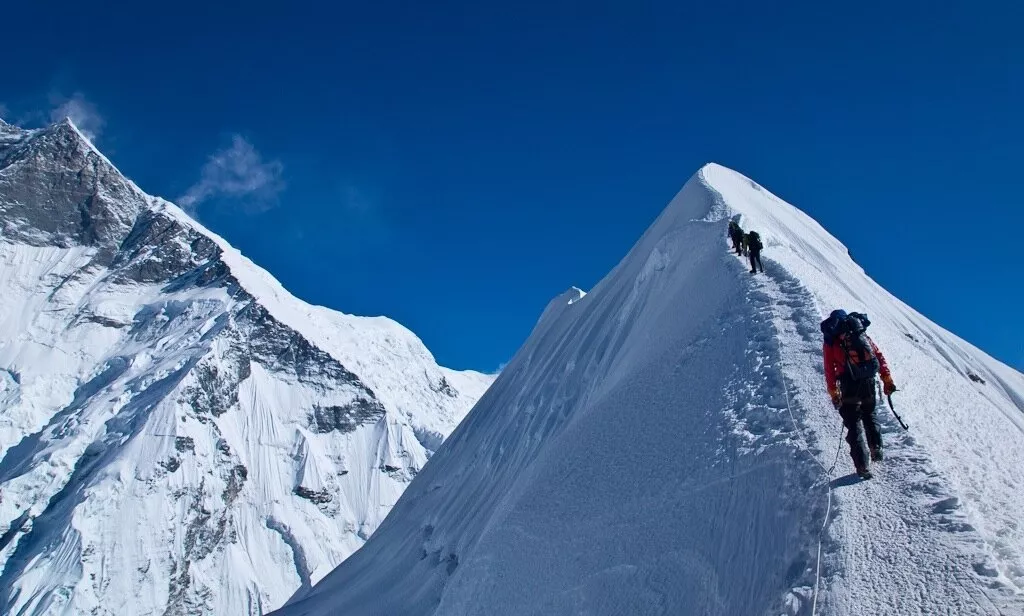
Nepal is home to 8 of the world’s 14 highest mountains, including Mount Everest. From lush valleys and rhododendron forests to snow-covered passes, the landscapes here are unmatched.
3. Cultural Richness
Nepal offers more than mountains:
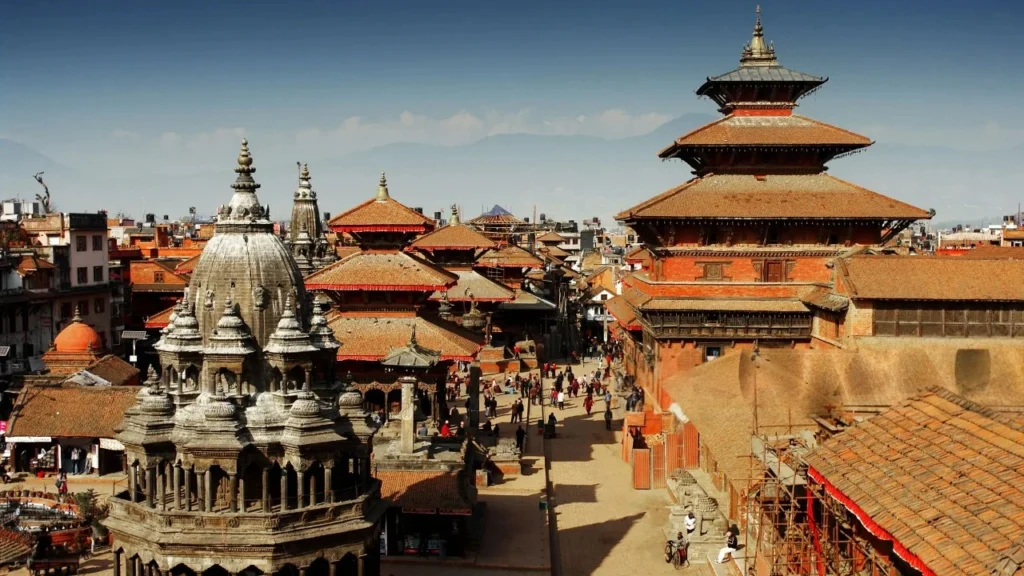
- Kathmandu Valley’s UNESCO World Heritage sites
- Lumbini, the birthplace of Buddha
- Ancient monasteries and vibrant festivals
Travelers experience a living culture that blends Hinduism and Buddhism seamlessly.
4. Adventure Beyond Trekking
If trekking isn’t your style, Nepal offers:
- Paragliding in Pokhara
- White-water rafting on the Trishuli River
- Jungle safaris in Chitwan National Park
- Mountain biking and cultural tours
5. Warmth of Nepali Hospitality
Perhaps the strongest reason: the people. Nepalis are known globally for their kindness and hospitality. Despite frustrations with governance, locals distinguish between domestic issues and their love for tourists.
How Gen-Z’s Role Shapes the Future of Travel in Nepal?
Nepal’s Gen Z movement, though driven by frustration with corruption, also reflects a desire for positive change. Many young Nepalis are entering the tourism industry as eco-tourism entrepreneurs, guides, homestay operators, and digital travel service providers. Their demand for cleaner governance also signals hope for a more transparent, sustainable future for Nepal’s tourism.
Advice for Tourists Considering Nepal Now
Nepal remains a safe and welcoming destination in 2025, but travelers should stay mindful:
- Check updates from the Nepal Tourism Board and your embassy.
- Avoid protest zones in Kathmandu and Pokhara to skip delays.
- Book with our experienced guide for reliable support on treks and personalized insights into the trails.
- Leave early for flights, as city traffic can sometimes be disrupted.
- Carry travel insurance that covers trekking and emergencies.
- Respect local culture and focus on the warmth of Nepali hospitality.
With these simple precautions, your journey will be smooth and unforgettable.
Final Verdict: Is Nepal Safe After Gen Z Protests?
Yes, Nepal is safe to travel and trek after the Gen Z protests. The demonstrations, mainly about corruption, have been concentrated in cities and have not affected tourists or trekking regions. Tourist buses, airports, and trails remain fully open.
If you’re dreaming of Everest, Annapurna, or Mustang, now is a great time to go. The mountains are calm, communities are welcoming, and Nepal is as inspiring as ever.
Conclusion
Nepal is safe to travel and trek in 2025, even after the Gen Z protests. The demonstrations have been focused on urban political issues and have not impacted trekking routes, tourist buses, or flights. Popular treks like Everest, Annapurna, Langtang, Manaslu, and Upper Mustang remain fully open, welcoming visitors to experience Nepal’s breathtaking landscapes, rich culture, and warm hospitality.
For those planning their adventure, BeThere provides trusted travel insights, guides, and tips to make your trip smooth and memorable. If you have questions or need personalized guidance, don’t hesitate to Contact Us. Our team is ready to help you plan a safe and unforgettable journey in Nepal.
Table of Content
FAQs About Travel Safety in Nepal
Q1. Is it safe to travel in Nepal right now?
Yes. Nepal is safe for international travelers. The protests have been concentrated in major cities and focused on political corruption. Trekking regions and rural areas, which host the majority of tourists, remain peaceful and unaffected.
Q2. Is Nepal safe for solo travelers after the protests?
Absolutely. Nepal has long been considered a safe destination for solo travelers. As always, solo trekkers are encouraged to hire licensed guides for safety and navigation, but there is no protest-related threat to solo visitors.
Q3. Should I avoid visiting Nepal until the protests end?
No. Tourism continues to operate normally. Hotels, trekking lodges, and transport services are open. Many visitors report no direct impact from the protests during their travels.
Q4. Are international flights to Nepal affected by the Gen Z protests?
No. International flights to and from Tribhuvan International Airport in Kathmandu are running on schedule. The airport remains secure and unaffected by city demonstrations.
Q5. Should I book flights in advance or wait due to the situation?
It’s best to book flights in advance, especially during Nepal’s peak trekking seasons (spring and autumn). The protests have not caused cancellations or shortages in flight availability.
Q6. What is the best month to trek in Nepal?
The best times to trek are spring (March–May) and autumn (September–November). These seasons offer clear skies, moderate temperatures, and the best mountain views.
Q7. What were the recent protests in Nepal about?
The Gen Z protests were driven by frustration with corruption, lack of accountability, and political stagnation. These were domestic issues unrelated to tourism, and foreign visitors were not involved or affected.
Q8. What precautions should I take if traveling during ongoing protests?
- Avoid joining or observing political rallies.
- Stay updated through your embassy and the Nepal Tourism Board.
- Leave extra travel time for airport transfers in Kathmandu.
- Travel with a licensed guide if trekking.
- Carry identification and travel insurance.

Need help choosing a trail?
Connect with a local and plan your perfect trek.