
- PUBLISHED
Island Peak Climbing in Nepal: Ultimate 2025-2026 Guide
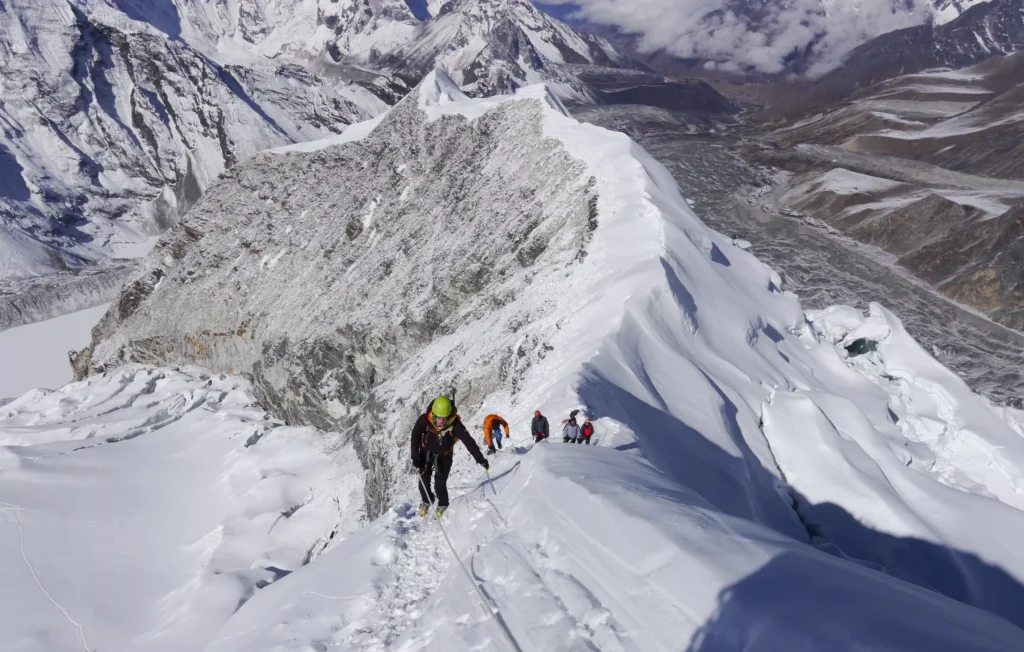
Standing atop a Himalayan peak is a dream many adventurers carry for years, and Island Peak (Imja Tse) Climbing in Nepal is the perfect first step into mountaineering. Rising to 6,189 meters (20,305 feet), Island Peak is located in the Khumbu region, just a few days’ trek from the iconic Everest Base Camp. It is widely regarded as one of the most accessible yet rewarding Himalayan climbs for beginners who want the thrill of standing on a high-altitude summit without facing extreme technical difficulties.
Climbers are drawn not only to the stunning panoramic views of Mount Everest, Lhotse, Nuptse, and Ama Dablam, but also to the unique experience of trekking through Sherpa villages, Buddhist monasteries, and rugged Himalayan landscapes. Unlike higher technical peaks that demand years of mountaineering experience, Island Peak offers a climb that is challenging but achievable with the right preparation.
In this guide, we’ll walk you through every detail of Island Peak Climbing in Nepal for 2025-2026, including the difficulty level, fitness and technical requirements, preparation tips, acclimatization strategies, gear, costs, weather, itinerary, cultural insights, and expert advice from our certified mountain guides. Whether you’re a seasoned trekker or a beginner, this article will serve as your ultimate resource to plan a safe, successful, and unforgettable Himalayan adventure.
Key Takeaways
Before diving into the details, here are the main points you should know about Island Peak Climbing in Nepal:
- Altitude: 6,189 meters / 20,305 feet.
- Difficulty: Moderate to challenging; requires good physical fitness and basic technical skills.
- Best Seasons: Pre-monsoon (March–May) and post-monsoon (September–November).
- Duration: Typically 15 to 21 Days, including an approach trek via Everest Base Camp.
- Guides: Certified local guides are highly recommended for safety and success.
- Cost: Estimated $2,200–$2,800 per person including permits, guide fees, accommodation, and gear.
- Acclimatization: Essential to prevent altitude sickness; includes rest days and shorter practice hikes.
- Experience: Combines trekking, glacier crossing, ice slope climbing, and cultural immersion in Sherpa villages.

Where Is Island Peak and Why It’s Popular Among Climbers
Island Peak, known locally as Imja Tse, is located in the Everest region of Nepal, in the Khumbu valley. For adventurers exploring the top peaks in Nepal, this peak offers breathtaking views and an achievable summit for beginners. It sits northeast of the Everest Base Camp trail, providing a stunning vantage point over some of the world’s highest mountains.
Why Island Peak is Popular:
- Accessible Yet Rewarding: The climb is moderately technical, making it suitable for climbers who have completed high-altitude treks but are new to mountaineering.
- Breathtaking Views: From the summit, climbers can see the entire Himalayan panorama, including Everest, Lhotse, Nuptse, and Ama Dablam. The glacial ridges, icy slopes, and snow-dusted peaks provide a once-in-a-lifetime experience for photography enthusiasts.
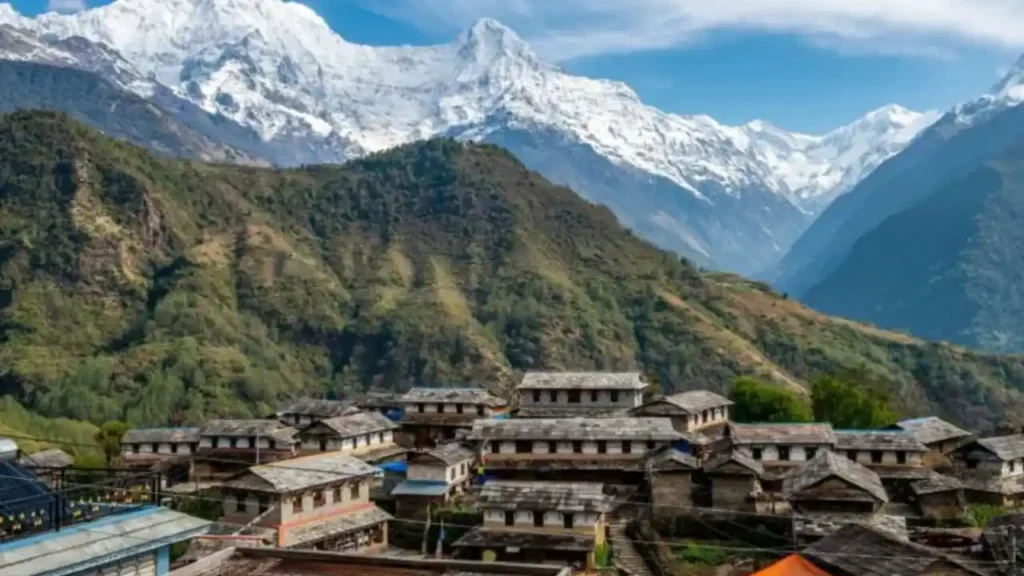
- Cultural Exposure: The trail passes through traditional Sherpa villages like Chhukung and Dingboche, giving trekkers insight into Himalayan culture, Buddhist monasteries, and Sherpa hospitality.
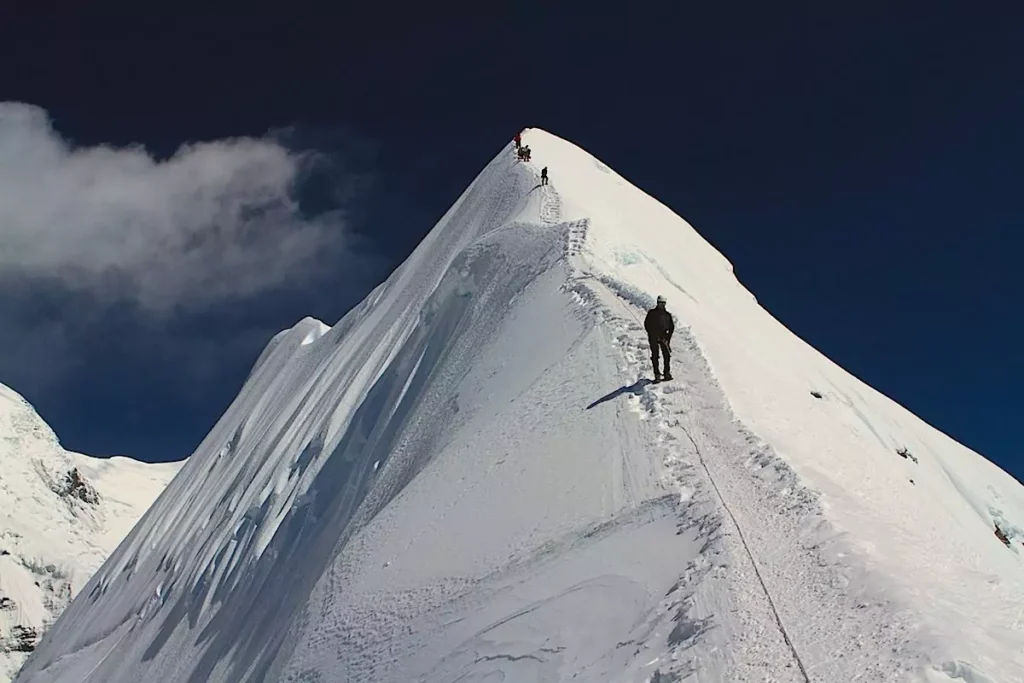
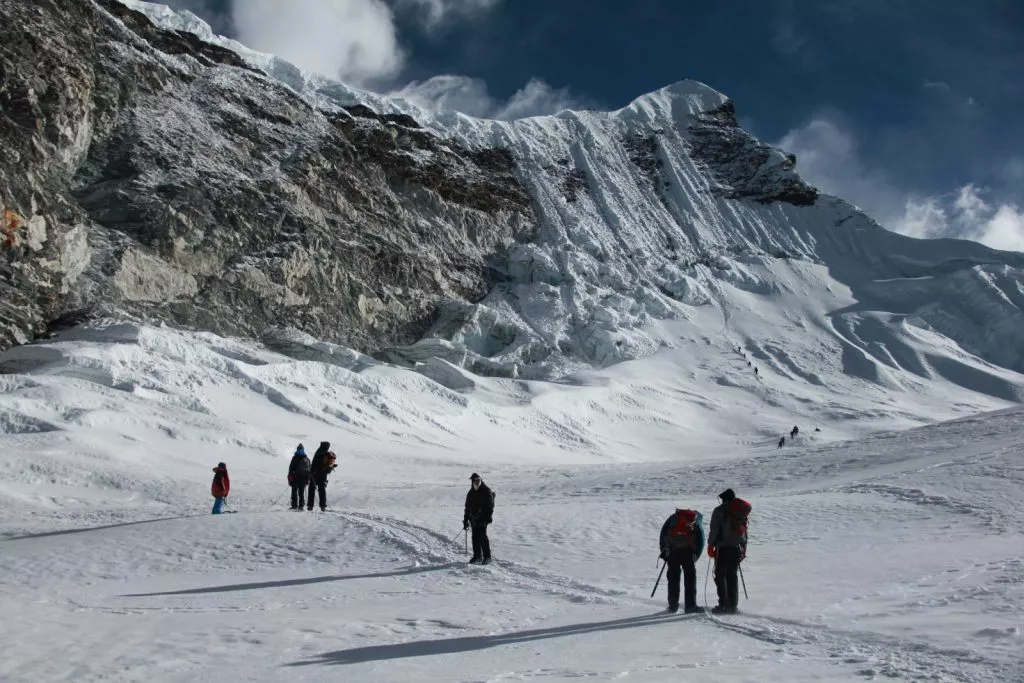
- Glacier Adventure: Island Peak includes glacier travel, ice slopes, and a final headwall requiring crampons and ice axes offering a taste of mountaineering without the extreme risks of higher peaks.
Island Peak is especially appealing to international climbers because it combines accessible technical challenges, high-altitude trekking, and cultural immersion all in one expedition. For anyone looking to prepare for mountain climbing in Nepal, Island Peak is the perfect starting peak climbing.
Quick Facts About Island Peak:
Feature
Detail
Local Name
Imja Tse
Elevation
6,189 m / 20,305 ft
Region
Khumbu, Everest
Difficulty
Moderate to challenging
Duration
15 to 21 Days
Best Season
March- May, September-November
Permit Required
Peak climbing permit via Nepal Mountaineering Association (NMA)
Island Peak is especially appealing to international climbers because it combines accessible technical challenges, high-altitude trekking, and cultural immersion all in one expedition.
How Difficult Is the Island Peak Climb
Island Peak is considered a moderate to challenging climb. While it does not require the advanced technical skills of peaks like Ama Dablam or Mera Peak, it demands physical fitness, acclimatization, and mental preparedness. The climb involves long trekking days, glacier crossings, steep icy slopes, and a final summit push that requires the use of crampons, ice axes, and ropes.
This expedition is one of the best examples of peak climbing in Nepal that combines trekking with technical mountaineering in a safe, guided environment.
Altitude and Physical Challenges:
Altitude and Physical Challenges: The summit of Island Peak reaches 6,189 meters, exposing climbers to thin air and lower oxygen levels. Altitude acclimatization for high altitudes is critical to prevent sickness.
Weather and Terrain:
The Everest region’s weather is highly unpredictable. Climbers may face snowstorms, high winds, and extreme cold. The trail includes rocky paths, glacial moraines, ice slopes, and the final headwall, requiring careful footwork and fixed rope use.
Comparison to Treks:
Compared to the Everest Base Camp Trek (5,364m), Island Peak adds technical climbing challenges and a higher elevation summit. Annapurna Base Camp (4,130m) is lower and less technical, making Island Peak ideal for trekkers ready to transition to mountaineering.
Physical Fitness Requirements
Island Peak requires climbers to have:
- Endurance: Daily hikes of 6–8 hours carrying 15–20 kg backpacks.
- Strength: Core, legs, and upper body strength for climbing ice slopes and uneven terrain.
- Cardio: Running, cycling, stair climbing to improve lung capacity.
Sample Pre-Trip Training Plan:
- Weeks 1–4: Cardio 4x/week (running, cycling), bodyweight exercises.
- Weeks 5–8: Hiking with a weighted pack, stair climbing, leg strength training.
- Weeks 9–12: Long hikes at high elevation if possible, simulation of glacier walking.
Tip: Simulate summit conditions with treks like Shivapuri Peak Hike or Langtang Trek in Nepal before attempting Island Peak.
Technical Skills Required
Although beginner-friendly, Island Peak requires:
- Crampon Use: Walking on ice safely.
- Ice Axe Skills: Self-arresting in case of slips.
- Fixed Rope Techniques: Required on the final summit slope.
Training Tips:
- Attend mountaineering workshops in Kathmandu or with BeThere.fun guides.
- Practice walking in crampons on flat snowfields.
- Learn basic rope safety and knots.
How to Prepare for Island Peak Climbing
Climbing Island Peak is an exciting adventure, but proper preparation is key to ensuring a safe and successful summit. From building physical fitness to understanding technical skills, gear, and acclimatization, the right preparation can make the difference between a challenging climb and an unforgettable Himalayan experience.
Preparation Timeline
- 2–3 months ahead: Begin fitness training.
- 1 month ahead: Mental preparation, gear acquisition, nutrition planning.
- Final Week: Gear check, travel logistics, rest, hydration.
Acclimatization Plan
- Gradual altitude gain: trek slowly from Lukla → Namche Bazaar → Dingboche → Island Peak Base Camp.
- Include rest days at Namche Bazaar (3,440m) and Dingboche (4,360m).
- Short acclimatization hikes to nearby peaks improve oxygen adaptation.
- Drink plenty of water, monitor for AMS symptoms (headache, nausea, dizziness).
Essential Gear Checklist
- Clothing: Thermal layers, down jacket, windproof pants, gloves, balaclava.
- Climbing Gear: Mountaineering boots, crampons, ice axe, harness, and helmet.
- Other Essentials: Headlamp, water bottles, trekking poles, first-aid kit, sunscreen, sunglasses.
Following this preparation ensures a safe and memorable climb, guided by a BeThere expert
When Is the Best Time of Year to Climb Island Peak (350 words)
- Pre-Monsoon (March–May): Clear skies, moderate temperatures, ideal for beginners.
- Post-Monsoon (Sep–Nov): Stable weather, panoramic visibility, and fewer clouds.
Avoid: Monsoon (June–August) — landslides, heavy rain; Winter (Dec–Feb) — extreme cold, avalanche risk.
For planning, check our best time to visit Nepal guide to align your expedition with the most favorable weather conditions.
How Long Will It Take to Climb Island Peak
Climbing Island Peak generally takes 15 to 21 days, combining trekking, acclimatization, and the summit push. The total duration depends on your fitness, pace, and weather conditions, and allows time to adjust safely to high altitudes while enjoying the Himalayan scenery.
Typical Itinerary (15–21 Days):
- Day 1–2: Arrive in Kathmandu, attend briefing, and check gear for the expedition.
- Day 3–4: Fly to Lukla and trek to Phakding and Namche Bazaar through scenic forests, suspension bridges, and Sherpa villages.
- Day 5–8: Trek via Debuche and Dingboche to Chhukung, including acclimatization hikes to nearby hills for altitude adjustment.
- Day 9–14: Trek to Island Peak Base Camp, complete pre-climb training, summit Island Peak (6,189 m / 20,305 ft), and return to Chhukung.
- Day 15–19: Descend back to Lukla, passing through Dingboche, Debuche, and Monjo, enjoying alpine landscapes along the way.
- Day 20–21: Fly back to Kathmandu for rest, sightseeing, or shopping.
- Optional Extensions: Side trips to Chhukung Ri summit or Ama Dablam Base Camp for extra adventure and panoramic views.
This itinerary balances gradual acclimatization, summit preparation, and sightseeing, ensuring a safe, rewarding, and unforgettable Himalayan experience.
How Much Does the Island Peak Expedition Cost?
Climbing Island Peak involves several expenses, including permits, guides, accommodation, and gear. Knowing the costs in advance helps plan a smooth and hassle-free expedition.
- Peak Climbing Permit: ~$250–$300 USD
- TIMS Card: ~$20 USD
- Guide & Porter Fees: ~$35–$50/day for guides, $25–$30/day for porters
- Accommodation & Meals: ~$20–$35/day
- Flights (Kathmandu ↔ Lukla): ~$180–$220 USD
- Equipment Rental: ~$100–$150
- Miscellaneous: ~$50–$100 (insurance, souvenirs)
Total Estimated Cost: $2,200–$2,800 per person for a 12–15 day guided expedition.
Tips from Nepal Guides
Climbing Island Peak is an unforgettable adventure, but success and safety depend on careful planning and following expert advice. Here are some tips from experienced Nepalese guides:
- Take it slow: Summit day is physically demanding. Avoid rushing the ascent; moving steadily conserves energy and reduces the risk of altitude sickness. Most guides recommend short, consistent steps and frequent breaks.
- Hydrate often: High altitudes increase dehydration risk. Drink plenty of water throughout the trek and during the summit push. Avoid alcohol and caffeine, which can contribute to dehydration.
- Listen to your body: Pay attention to symptoms of Acute Mountain Sickness (AMS) such as headaches, nausea, dizziness, or shortness of breath. Early recognition and proper acclimatization are essential.
- Pack light but smart: Carry only essentials in your daypack—water, snacks, first-aid kit, warm layers, headlamp, and climbing gear. A lighter pack improves balance and endurance on ice and rocky terrain.
- Use certified guides: Our certified Mountain guides increase your chances of a successful and safe climb. They know the terrain, weather patterns, and emergency procedures, and can offer advice on pacing, technique, and acclimatization.
Guide Quote: “Island Peak is achievable for anyone with preparation and the right mindset. Respect the mountain, your body, and your team.” – Subash Ghimire, BeThere.fun Expertise.
Cultural Insights and Local Experiences
The Island Peak route is not just about climbing; it’s a cultural journey through the heart of the Himalayas:
- Sherpa villages and teahouses: The trail passes through traditional Sherpa settlements like Chhukung and Dingboche. These villages offer a glimpse into mountain life, architecture, and hospitality, with cozy teahouses serving local meals and providing overnight accommodation.
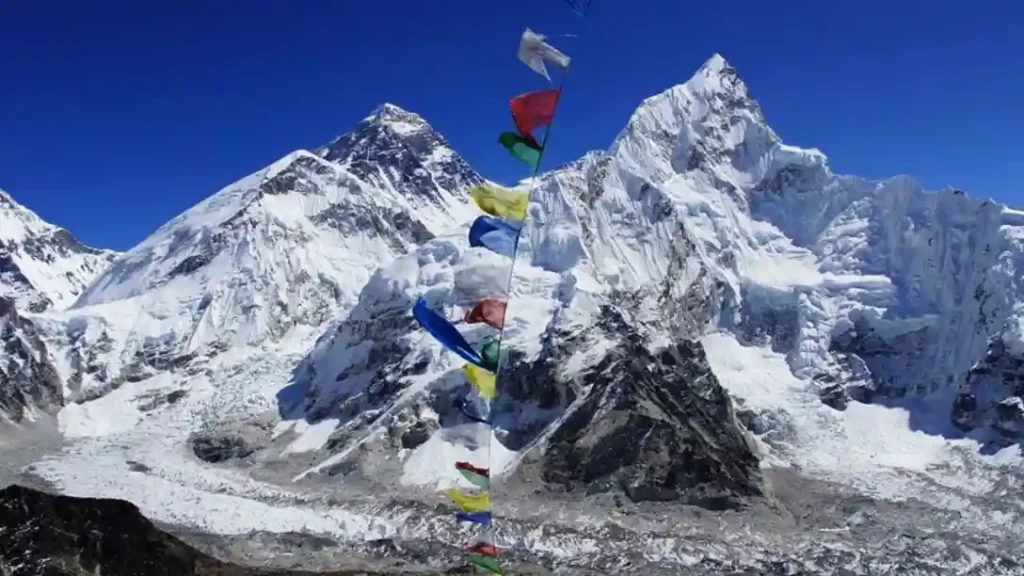
- Buddhist monasteries and prayer sites: Stop at small monasteries along the trail. Witness daily rituals, prayer wheels, and colorful prayer flags, which are integral to Sherpa culture and spiritual life.
- Local festivals and cuisine: Depending on the season, trekkers may witness traditional festivals, including dances, prayers, and celebrations. Sample local foods like dal bhat, momo, and butter tea, which provide energy for high-altitude trekking.
- Responsible tourism: Engaging with local communities responsibly helps preserve culture and the environment. Hiring local guides and porters, buying handmade crafts, and following eco-friendly practices support the livelihoods of these mountain communities.
Safety and Emergency Protocols
High-altitude expeditions require careful attention to safety:
- High-altitude sickness (AMS): Understand the symptoms: headache, fatigue, nausea, and shortness of breath. Early detection is crucial. Guides may recommend descending or using oxygen in severe cases.
- Evacuation procedures: Trained guides know the nearest evacuation points and rescue services. Helicopter evacuations are available in emergencies but require planning and additional cost.
- Communication: Carry satellite phones or radios for emergency contact in areas with no mobile coverage. Always share your itinerary with your guides and family.
- Weather and terrain risks: Be aware of sudden storms, snow, or icy slopes. Follow the guide instructions closely, and never attempt dangerous routes alone.
Following these tips and protocols ensures a safe, enjoyable, and memorable Island Peak expedition, blending adventure with cultural immersion.
Final Thoughts: Is Island Peak Climbing for You?
Island Peak is a perfect introduction to Himalayan mountaineering, combining adventure, scenic beauty, and cultural immersion. With proper preparation, training, acclimatization, and guidance from certified local guides, climbers can achieve the thrill of standing on a Himalayan summit.
“Ready to take your first Himalayan summit challenge? Contact Us to start your Island Peak Climbing journey with our certified guides at BeThere.fun today!”
Table of Content
FAQs
What is the altitude of Island Peak?
Island Peak (Imja Tse) stands at 6,189 meters (20,305 feet). Proper acclimatization is essential to prevent altitude sickness and ensure a safe climb.
Can a beginner climb Island Peak?
Yes, beginners with good fitness, proper preparation, and a certified guide can climb Island Peak. Pre-summit training at Chhukung Base Camp helps first-time climbers handle the technical sections.
How to prepare for Island Peak climbing?
Preparation includes physical fitness training, acclimatization hikes, mental readiness, and familiarization with climbing gear such as crampons and ice axes. Practice treks in Nepal like Shivapuri or Langtang, can help.
Is Island Peak difficult to climb?
Island Peak is moderate to challenging, involving glacier crossings, snow slopes, and a fixed-rope section. It is less technical than Everest but physically demanding.
Do you need oxygen for Island Peak?
No supplemental oxygen is required for Island Peak, unlike higher Himalayan peaks. Proper acclimatization and pacing are sufficient for most climbers.
Can I trek without a guide in Nepal?
While trekking without a guide is possible, it is strongly recommended to hire a certified guide for safety, navigation, and permit compliance, especially for peak climbing.
Do I need prior climbing experience?
No advanced climbing experience is necessary, but familiarity with basic mountaineering skills is helpful. Guided training ensures climbers are comfortable with ice axes, crampons, and ropes.
What permits are required for Island Peak?
You need a Peak Climbing Permit (~$250–$300 USD) and a TIMS card (~$20 USD). Trekking agencies usually handle permit arrangements.
Are there emergency services available?
Yes. Certified guides carry satellite phones, and helicopter evacuations are possible. Trekking agencies provide detailed safety protocols for high-altitude climbs.
How should I prepare for high altitude?
Gradual ascent, acclimatization hikes, hydration, rest, and avoiding overexertion are key. Watch for symptoms of Acute Mountain Sickness (AMS) and inform your guide immediately if any occur.
What kind of food is available on the trek?
Teahouses along the route serve local dishes such as dal bhat, momo, noodles, and soups. Summit day usually requires high-calorie snacks and energy bars.

Recent Blogs
Need help choosing a trail?
Connect with a local and plan your perfect trek.