
- PUBLISHED
Nepal Bans Solo Trekkers: Updated Rules & How to Trek Legally
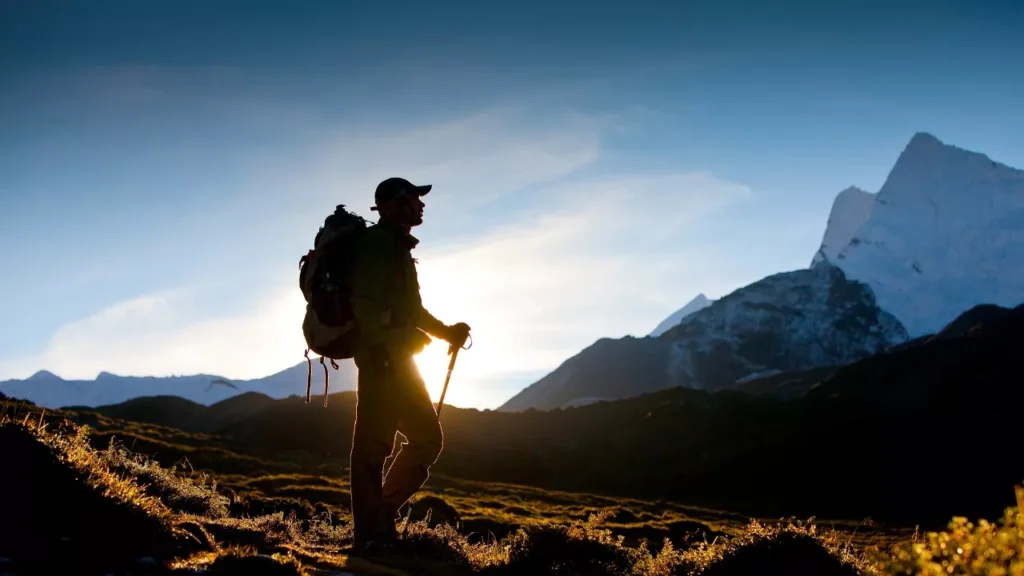
For decades, the Himalayas have called to the spirit of the solo adventurer, the independent trekker seeking solitude, self-reliance, and raw connection with the world’s highest peaks. However, a significant change has reshaped the landscape of Himalayan trekking in Nepal. As of a new provision notice for trekking, the Government of Nepal has implemented a ban on solo trekking in Nepal for foreigners in its national parks and conservation areas.
This decision has sparked debate, confusion, and a need for clear information. If you’re planning an adventure in Nepal, understanding these new rules is crucial. This guide will explain exactly what the ban means, why it was introduced, how it affects you and most importantly how you can still have an incredible, safe, and compliant trekking experience in the majestic mountains of Nepal.
What Exactly Does the "Solo Trekking Ban" Mean?
The core rule is straightforward: All foreign trekkers are now required to hire a licensed guide or join an organized group trek to enter Nepal’s protected trekking regions. You can no longer simply obtain a permit and set off alone.
- Effective Date: The rule came into force on April 1, 2023.
- Affected Areas: The ban applies to all major trekking destinations, including:
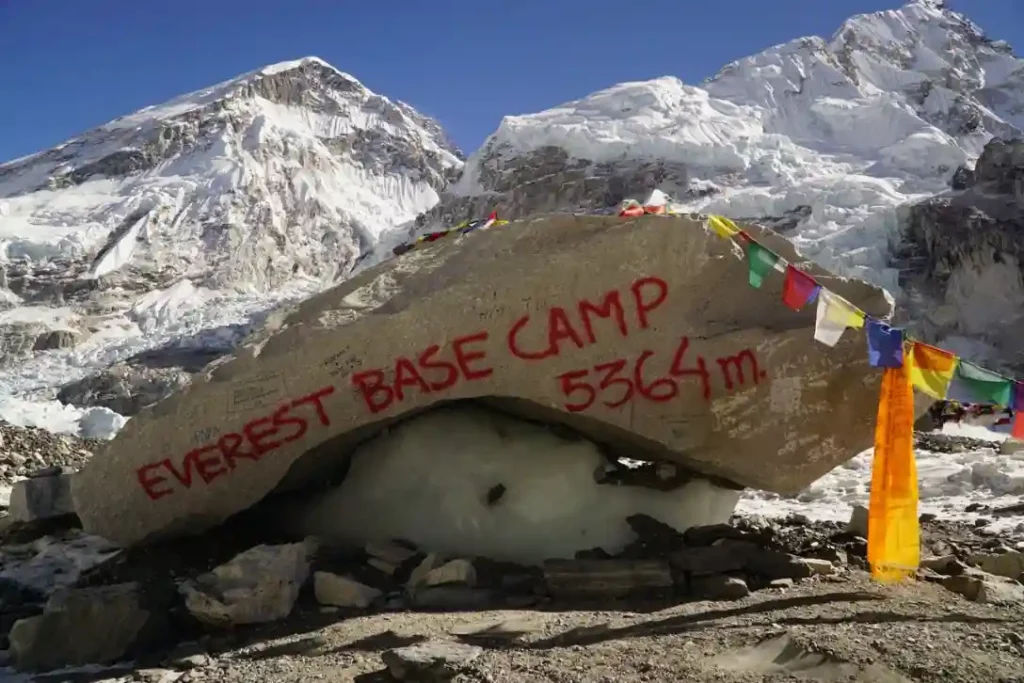
- The Everest Region (Everest Base Camp Trek)
- The Annapurna Region (Annapurna Circuit, Annapurna Base Camp)
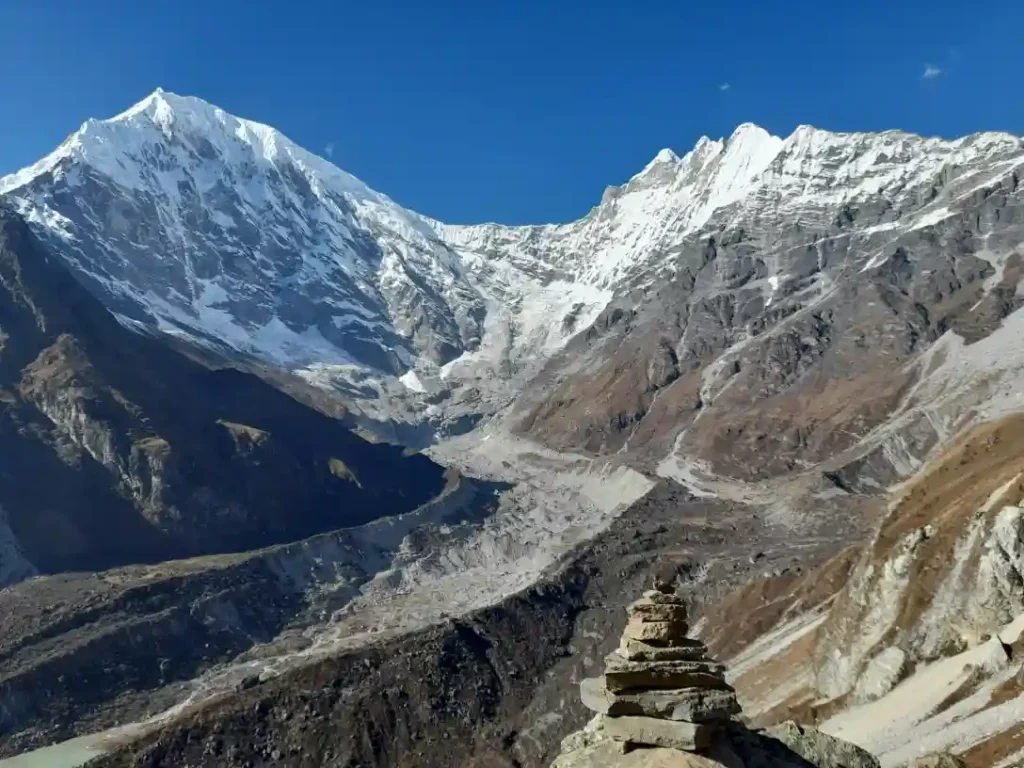
- Langtang Valley
- Manaslu Circuit
- More remote areas like Kanchenjunga, Makalu, and Ganesh Himal.
The TIMS Card Overhaul: This change is enforced through the Trekkers Information Management System (TIMS). The old system offered a “Green Card” for independent trekkers. That option is now gone. There is only one TIMS card for foreigners, and it must be obtained through a government-registered trekking agency as proof you are with a guide or group. The cost is standardized at 2,000 Nepalese Rupees (approximately $15 USD).
Why Did Nepal Implement This Ban?
This policy wasn’t created on a whim. It addresses several critical, long-standing issues:
Trekkers’ Safety:
This is the foremost reason. Every year, cases of missing trekkers, severe altitude sickness, and accidents prompted rescue missions that were often too slow or too late. A licensed guide provides immediate navigation, monitors for Acute Mountain Sickness (AMS), and can swiftly coordinate emergency evacuations. Proper altitude acclimatization is critical, and a guide ensures you follow a safe itinerary.
Supporting the Local Economy:
This rule formalizes the vital role of local experts and creates sustainable livelihoods. It ensures tourism revenue directly generates employment for licensed Nepali guides and porters, supporting mountain communities that depend on this industry. This economic support helps preserve the cultural heritage along the trails.
Environmental & Regulatory Stewardship:
Guides ensure trekkers follow “Leave No Trace” principles and stay on marked paths, protecting fragile alpine ecosystems from damage. The updated TIMS system improves oversight and allows for better visitor tracking in remote areas, aiding in environmental protection and efficient emergency management.
How the New Rules Affect Different Types of Trekkers
The new rules for trekking affect different type of trekkers such as:
For Budget Travelers:
We acknowledge this adds cost. Hiring a guide is an additional daily expense. However, consider it an investment in safety and a richer experience. Small group treks are an excellent way to share this cost.
For Experienced Solo Trekkers:
This can feel restrictive. The freedom of solo travel is a powerful draw. Yet, even experienced hikers can benefit from a guide’s local knowledge of finding the best teahouses, understanding cultural nuances, knowing the best time to visit and having a safety net in a region known for unpredictable terrain.
The Silver Lining:
A guide transforms your trip from a simple hike into an immersive journey. They are your translator, cultural ambassador, and safety manager, allowing you to focus entirely on the awe-inspiring scenery.
Are There Any Exceptions to the Ban?
The rules are firm, but there are nuances:
- The Everest Region “Grey Area”: The local government of the Khumbu (Everest) region has sometimes asserted its own rules and may not enforce the ban as strictly as other areas. However, this is unreliable and can change at any time. The safest and most responsible approach is to assume a guide is required for your Everest Base Camp trek.
- Day Hikes: Short hikes around Kathmandu (e.g., Shivapuri Hike) and Pokhara (e.g., Sarangkot, World Peace Pagoda) generally do not require a guide.
- Nepali Citizens: The ban applies only to foreign trekkers.
Alternative Trekking Options for the Independent Spirit
If the idea of a classic guided trek doesn’t thrill you, consider these alternatives:
- Less-Restricted Routes: Some trails, like the Khopra Ridge trek or the Mardi Himal trek, are sometimes mentioned as having softer regulations. Always confirm the current rules with your agency.
- Go Guided, But Go Remote: Use the guide requirement as an opportunity to tackle more challenging, off-the-beaten-path routes that would be risky to attempt alone, such as the Manaslu Circuit trek.
- Embrace the Group: A small group trek can be a wonderful way to share the breathtaking moments and challenges of the trail.
Conclusion
The solo trekking ban in Nepal closes one chapter but opens another. This new era places safety and sustainability at the heart of every Himalayan adventure. It ensures that each trekker is supported and every journey benefits the local mountain communities. While the rules have changed, the call of the majestic peaks remains as powerful as ever.
From moderate adventures to high-altitude expeditions, your perfect journey awaits, BeThere is your trusted guide. We ensure every trek combines safety, cultural insight, and awe-inspiring scenery. Let us help you start planning your unforgettable, rule-compliant Himalayan adventure today.
Table of Content
Frequently Asked Questions
1. Is solo trekking completely banned for foreigners in Nepal?
Yes, in all national parks and conservation areas as of April 1, 2023. Foreign trekkers must be accompanied by a licensed guide.
2. Can I trek alone in the Everest region?
It is a grey area with inconsistent local enforcement. The official national rule requires a guide, and for safety and reliability, hiring one is highly recommended for any Everest Base Camp trek.
3. What is a TIMS card and how do I get it now?
The Trekkers’ Information Management System (TIMS) card is a mandatory tracking permit. It can now only be issued through a registered trekking agency when you book a guide or group trek.
4. Are there any trekking routes where I don’t need a guide?
For multi-day treks in the mountains, no. Only some short day hikes near major cities are exempt. Always verify with your agency.
5. Is it safe to trek solo in nepal?
Yes, and arguably safer now. The guide requirement and improved tracking systems provide a significant safety net for all trekkers.
6. What are the main benefits of hiring a guide?
Safety, expert navigation, cultural insight, hassle-free permit and logistics management, and direct support for the local economy. A good guide is also invaluable for preparing for high altitude hiking.


Need help choosing a trail?
Connect with a local and plan your perfect trek.