
- PUBLISHED
Rainbow Valley in Mount Everest’s Death Zone
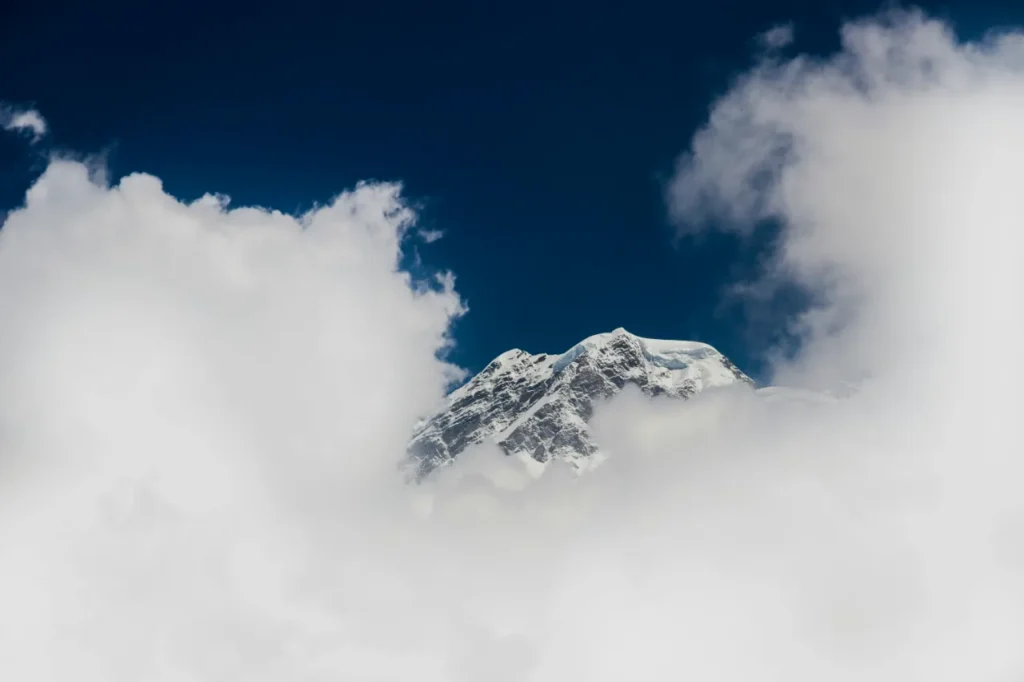
Mount Everest, the tallest mountain on Earth at 8,848 meters (29,029 feet), has long been the ultimate test for climbers. Yet, beyond the allure of reaching the summit lies a brutal truth: Everest is deadly. One of the most notorious stretches of this mountain is Rainbow Valley, a section within the “death zone” where the remains of climbers often remain frozen in place, sometimes for decades.
This area has earned its chilling nickname, the “Open Graveyard of Everest,” and represents both the extreme danger of high-altitude climbing and a haunting memorial to those who have lost their lives chasing the summit. This guide explains what makes Rainbow Valley on Everest one of the most dangerous sections of Mount Everest and what climbers need to know before attempting it.
Key Takeaways
- Location: Rainbow Valley on Mt Everest is located on the southeast ridge near the South Col, at elevations of 8,000–8,600 meters (26,247–28,208 feet).
- Mount Everest Death Zone: This area lies within Everest’s “death zone,” where oxygen levels are so low that the human body begins to deteriorate rapidly.
- Name Origin: The valley is named for the bright-colored jackets of climbers who have died there, which, over time, have created a rainbow-like effect in the snow and ice.
- Terrain & Danger: Narrow ridges, steep slopes, deep crevasses, and unpredictable weather make Rainbow Valley extremely hazardous.
- Historical Significance: Since the 1950s, many climbers have lost their lives here. Some bodies, like the famous “Green Boots,” have become grim landmarks for navigation.
- Psychological Impact: Climbers passing through report fear, anxiety, and reflections on mortality due to the presence of human remains.
- Climbing Preparation: Navigating Rainbow Valley requires acclimatization, specialized gear, strong physical conditioning, mental resilience, and ethical awareness regarding human remains.
What is Mount Everest Rainbow Valley?
Rainbow Valley on Everest is situated on the southeast ridge near the South Col of Mount Everest, at elevations ranging from 8,000 to 8,600 meters (26,247–28,208 feet). This section lies within the notorious “death zone,” where oxygen levels are so low that the human body begins to deteriorate rapidly, and even minor physical exertion can become life-threatening.
The valley earned its haunting name from the bright-colored jackets of climbers who have died there over the years, creating a rainbow-like effect against the snow and ice that has both startled and guided future climbers.
Historically, Rainbow Valley has claimed many lives since the 1950s, when mountaineering expeditions on Everest became more frequent. Some bodies, such as the famous “Green Boots,” have become grim landmarks for other climbers attempting to navigate this perilous section, serving as both a warning and a tragic reminder of the mountain’s unforgiving nature.
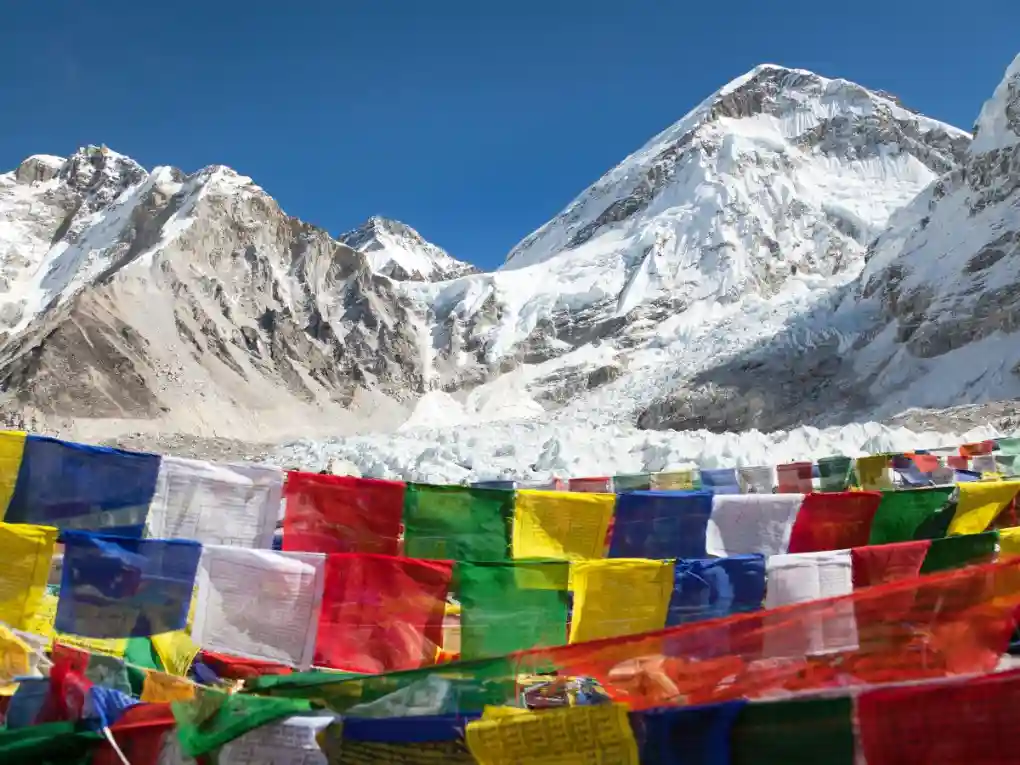
Why is Rainbow Valley on Mount Everest so Deadly?
Rainbow Valley on Mt Everest is uniquely dangerous because multiple lethal factors converge in one narrow stretch of the mountain, deep within the death zone.
Extreme Altitude and Oxygen Deprivation
- Located between 8,000–8,600 meters, Rainbow Valley lies where oxygen levels drop to about 30% of sea level.
- Severe hypoxia causes confusion, poor judgment, loss of coordination, and slowed reactions.
- Even small mistakes in this state can be fatal on exposed ridges.
Severe Exhaustion During the Summit Push
- Climbers enter Mount Everest Rainbow Valley during the final ascent or descent, when physical strength is already depleted.
- Fatigue slows movement and reduces the ability to recover from slips or make quick decisions.
- Many climbers collapse here during descent due to exhaustion and oxygen depletion.
Extremely Hazardous Terrain
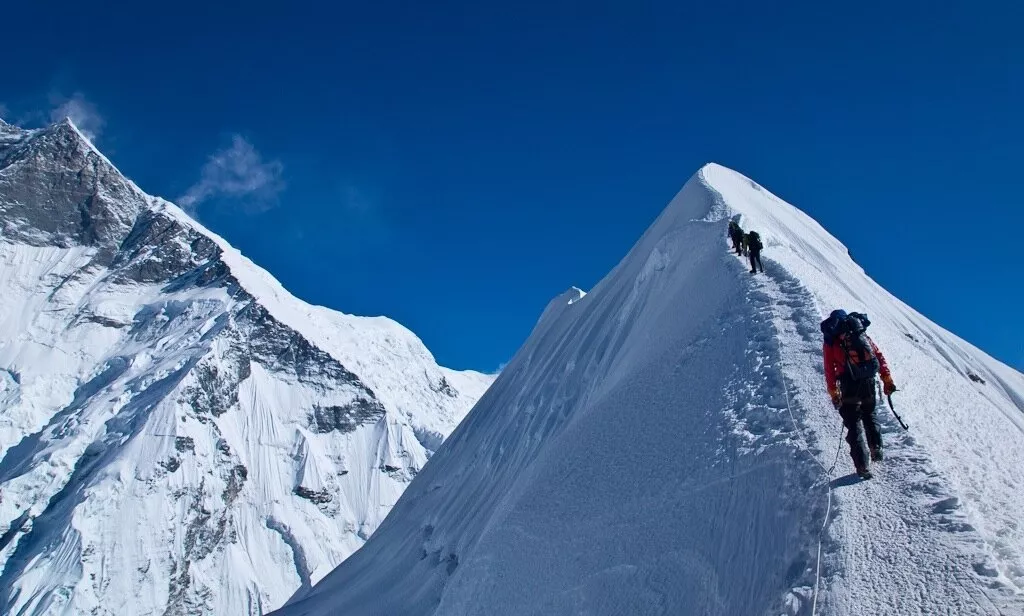
- The area consists of narrow ridges, steep icy slopes, and hidden crevasses.
- A single misstep can result in a fall of hundreds of meters.
- Navigating around frozen bodies can force climbers closer to dangerous edges.
Violent and Unpredictable Weather
- Rainbow Valley on Mount Everest offers no shelter from high winds or sudden storms.
- Winds can exceed 100 km/h (62 mph), while temperatures can fall below -40°C (-40°F).
- Whiteouts can erase visibility of ropes and route markers, increasing disorientation. Even choosing the best time to climb Everest, pre-monsoon (April–May) or post-monsoon (September–October), cannot guarantee completely stable conditions.
Crowding and Bottlenecks
- During peak season, climbers often wait for hours in this section.
- Standing still in the death zone increases oxygen consumption, frostbite risk, and exposure.
- Delays frequently push climbers beyond safe turnaround times.
No Rescue Possibilities
- Rescue operations above 8,000 meters are nearly impossible.
- Fellow climbers usually lack the strength or oxygen to assist.
- As a result, most deaths in Rainbow Valley are permanent, leaving bodies in place.
Psychological Impact of Human Remains
- Visible frozen bodies in bright clothing contribute to the valley’s name.
- Climbers report fear, anxiety, and heightened awareness of mortality.
- Mental stress at extreme altitude can directly impair decision-making.
Over 300 climbers have died on Everest since 1922, and nearly one-third of these deaths occurred above 8,000 meters, often in or near Rainbow Valley.
Want to Experience the Himalayas Without Facing Everest’s Deadly Risks?
If you’re fascinated by Everest but not yet ready to face its extreme challenges, starting with safer treks and peaks is a smart way to prepare. At BeThere, you can explore alternatives like Lobuche, Mera, or Island Peak, building your high-altitude experience and fitness before attempting Everest itself.
What Happens to Climbers Who Die on Mount Everest?
The fate of climbers who die on Mount Everest is shaped by extreme altitude and conditions.
- Bodies Remain in Place: Due to safety risks, most climbers who die above 8,000 meters are left where they fell. Climbers’ remains are often used as reference points or markers for others navigating the route.
- Natural Preservation: The cold, dry environment prevents decomposition, leaving bodies preserved for years, sometimes even decades.
- Emotional and Practical Impact: Names like “Green Boots” or “Sleeping Beauty” serve as grim landmarks. Climbers passing by report psychological effects, ranging from fear and anxiety to solemn reflection on mortality. They highlight the challenges climbers face in the death zone, where survival, ethics, and decision-making collide in life-or-death situations.
Interesting fact: Some bodies are in positions suggesting that climbers stopped moving suddenly, sometimes still clutching ice axes or ropes. This adds to the eerie nature of Rainbow Valley.
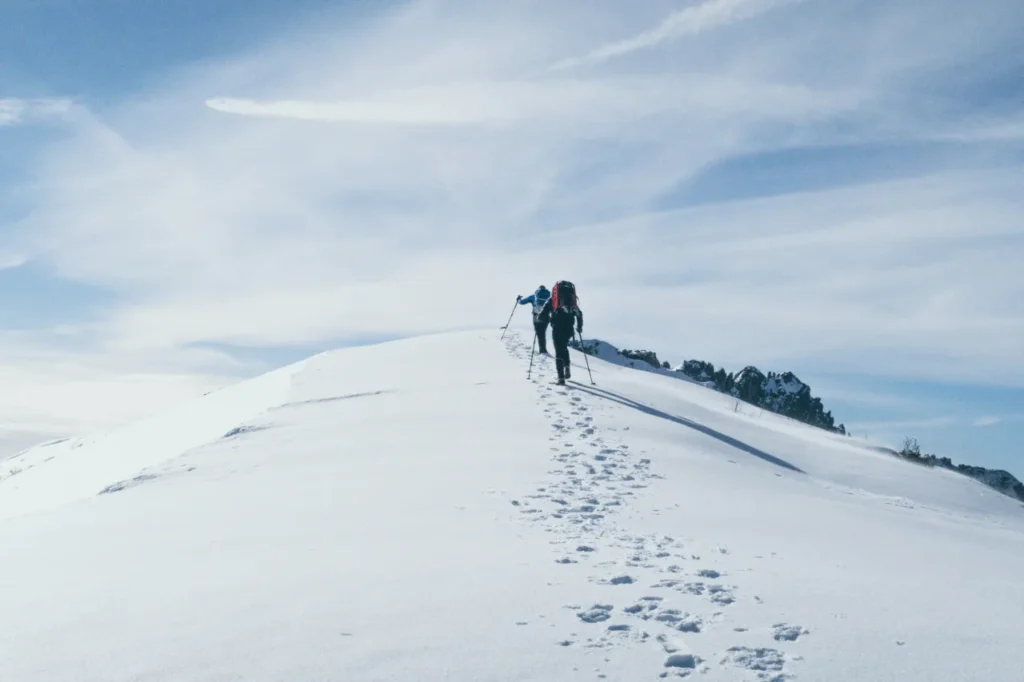
Famous Dead Bodies in Rainbow Valley, Mt Everest
Over the decades, several climbers who died in Rainbow Valley have become well-known to mountaineers, both as landmarks and as tragic reminders of Everest’s dangers. Some of the most famous include:
1. Green Boots
Who: Believed to be Indian climber Tsewang Paljor (1996).
Green Boots became an unofficial landmark in Rainbow Valley, marking the route for climbers ascending the northeast ridge. The body was recognizable by the neon green boots worn by the climber. Over the years, it served as a grim guidepost for other mountaineers navigating the treacherous section.
2. David Sharp
Who: British climber David Sharp (2006).
Sharp’s death highlighted the ethical and logistical challenges of high-altitude rescues. He was found alone in the death zone, surrounded by other climbers, and could not be rescued due to extreme conditions. His death sparked debates about the “summit fever” culture and the responsibilities of climbers in the death zone.
3. Sleeping Beauty
Who: American climber Francys Arsentiev (1998).
Francys became known as “Sleeping Beauty on Mount Everest” because her frozen body was found in a serene, seemingly sleeping posture near the summit. She was the first U.S. woman to summit Everest without supplemental oxygen. She tragically died during her descent. Her body remained visible for years, becoming a poignant landmark and a stark reminder of the dangers of climbing in the death zone.
4. Hannelore Schmatz
Who: German climber Hannelore Schmatz (1979).
Schmatz’s death became one of the most infamous early tragedies on Everest, highlighting the risks of solo climbing without sufficient support. She died near the South Col, and her body remained visible in Rainbow Valley for years, sometimes covered in snow, serving as a grim warning about the deadly consequences of exhaustion and high altitude.
5. Other Notable Figures
Some climbers’ bodies on Everest have remained exposed for decades, including those from earlier expeditions in the 1980s and 1990s. Many have become navigation points, unofficial memorials, and sometimes even grimly photographed landmarks for later climbers.
Why is Rainbow Valley Called the “Open Graveyard of Everest”?
Rainbow Valley’s nickname comes from:
- Visible bodies: Colorful jackets create a rainbow effect across the valley.
- Historical accumulation: Decades of climbers’ deaths have made it a permanent, tragic feature of Everest.
- Emotional significance: Climbers passing through are reminded of the human cost of high-altitude climbing.
This nickname highlights the dual nature of Rainbow Valley: both a natural landmark and a memorial.
Body Recovery in Rainbow Valley, Everest
Recovering bodies from Rainbow Valley on Everest is extremely challenging due to the following factors:
- High Risk: Rescuers face the same hazards that claimed the original climbers.
- Costly: Helicopter evacuations or professional recovery missions can cost $30,000–$50,000 per body, depending on altitude and logistics.
- Burial by Ice and Snow: Shifting ice and snow can bury bodies deeper over time.
- Handling Challenges: Severe frostbite and ice accumulation make the bodies difficult and dangerous to handle safely.
- Rare Success: Only a few bodies have been recovered after years of planning and dangerous missions; one notable example is Russian climber Andrey Makarov, whose body was recovered in 1999 after extensive high-altitude operations. Most others remain frozen in place.
Explore Related Blogs
Preparation for Climbing Near Rainbow Valley
Climbing through Mount Everest Rainbow Valley requires careful mountain climbing preparation due to its extreme altitude, treacherous terrain, and the presence of human remains. Key considerations include:
- High-Altitude Training: Gradual altitude acclimatization is crucial to prevent altitude sickness and serious complications like HAPE or HACE.
- Specialized Gear: Oxygen tanks, layered clothing, crampons, ice axes, and safety ropes are mandatory. Even small equipment failures can be deadly.
- Physical Conditioning: Strength, stamina, and mental resilience are essential. Fatigue can impair judgment and increase the risk of accidents.
- Emergency Planning: Teams must be ready for sudden storms, oxygen shortages, and evacuation scenarios. Quick decision-making saves lives.
- Ethical Awareness: Climbers need to respect human remains and understand the difficult choices involved when encountering them.
- Team Coordination: Clear communication and trust among climbers are critical, especially in bottleneck or exposed areas. Many teams rely on experienced Himalayan guides to ensure coordination, make critical decisions under pressure, and help climbers navigate these extreme conditions safely.
- Route Familiarity: Knowledge of the terrain, crevasses, and narrow ridges helps prevent accidents and allows faster navigation.
Even with careful planning, Rainbow Valley remains one of the deadliest sections of Everest, demanding respect and caution from all climbers.
Conclusion
Mount Everest Rainbow Valley is more than just ice and snow. It is a memorial, a warning, and a reminder of how dangerous Everest can be. Climbers who pass through are reminded of the risks, the sacrifices, and how unforgiving the mountain is.
Every bright jacket and frozen figure tells a story of human courage, effort, and loss. Rainbow Valley on Everest stands as a clear reminder of the limits of endurance and the high cost of reaching the world’s tallest peak.
Table of Content
Frequently Asked Questions
1. What is Rainbow Valley on Mount Everest?
Rainbow Valley on Mt Everest is a high-altitude section of Mount Everest known for the visible remains of climbers who lost their lives there. Over time, the brightly colored jackets and gear left behind have become part of the landscape, giving the area its haunting name.
2. Where is Rainbow Valley on Mount Everest?
Rainbow Valley is located on the southeast ridge near the South Col, along the standard south route used by most Everest climbers. It lies on the path climbers take during their final push to the summit and again during their descent.
3. What is the altitude of Rainbow Valley on Mount Everest?
Rainbow Valley sits between 8,000 and 8,600 meters (26,247–28,208 feet) above sea level. At this height, oxygen levels are extremely low, making movement slow and recovery difficult even for experienced climbers.
4. Where is the death zone on Everest?
The death zone on Mount Everest begins at approximately 8,000 meters and extends to the summit. Above this level, the human body cannot properly acclimatize, and prolonged exposure leads to rapid physical and mental decline.
5.What does the Rainbow Valley of Mount Everest look like?
Mount Everest Rainbow Valley appears as a narrow stretch of ice and snow with steep slopes and exposed ridges. Bright splashes of color from jackets, ropes, and equipment stand out against the white landscape, creating a striking but unsettling scene.
6.What are the conditions like in Rainbow Valley?
Conditions in Rainbow Valley are extremely harsh and unpredictable. Climbers face thin air, freezing temperatures, powerful winds, and sudden weather changes, with no natural shelter and very limited chances for rescue.
7. What is the story behind Rainbow Valley on Mount Everest?
As Everest climbing became more common, many climbers who died in this area could not be recovered due to the danger and altitude. Their preserved bodies and gear slowly turned Rainbow Valley into a silent memorial and a reminder of the mountain’s unforgiving nature.
8. How does Rainbow Valley, Everest affect climbers?
Rainbow Valley on Mt Everest challenges climbers at one of the most critical points of the climb. Physical exhaustion, lack of oxygen, and the emotional impact of passing human remains can slow progress, affect judgment, and increase the risk of serious mistakes.

Need help choosing a trail?
Connect with a local and plan your perfect trek.