
- PUBLISHED
When Is the Best Time to Climb Mount Everest?
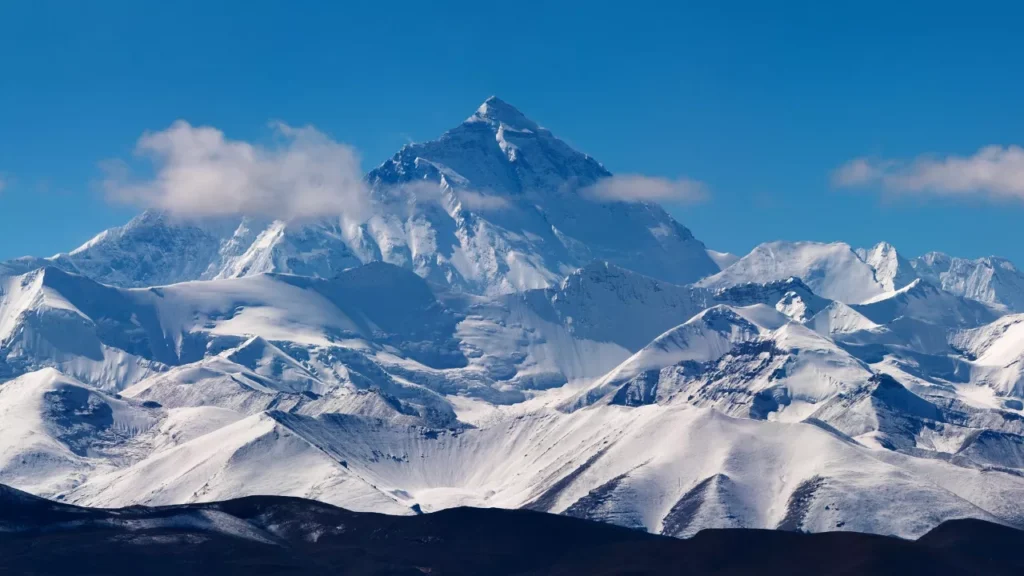
Climbing Mount Everest is one of the ultimate human achievements. It represents the pinnacle of mountaineering challenges, drawing adventurers from around the world, including many from the United States. But conquering the world’s highest peak, standing at 8,848.86 meters (29,031.7 feet), is not just about physical strength or technical skill; timing your climb is crucial. Understanding the Mount Everest climbing seasons, weather conditions, summit windows, and logistical considerations can make the difference between a successful expedition and an early retreat.
Whether you’re researching Mount Everest in summer, the average time to climb Everest, or planning your budget around the Mt Everest, this comprehensive guide breaks down everything climbers need to know.
Key Takeaways
Before diving into the details, here are the key points:
- Best climbing season: Spring (March–May) – safest weather, longest summit windows.
- Secondary season: Fall (September–November) – clearer skies but colder temperatures.
- Average time to climb Everest: 6–10 weeks, including trekking, acclimatization, and summit push.
- Mount Everest in summer: Monsoon season makes climbing unsafe; avoid this period.
- Mt Everest cost: $35,000–$90,000+, depending on expedition type and services.
- Winter climbs: Only for elite professional mountaineers due to extreme cold and high winds.
- Most popular climbing face: South Face (Nepal) due to safer conditions, infrastructure, and Sherpa guides.
These insights set the stage for understanding when and how to climb Everest safely and effectively.
Climbing Everest During the Spring (March to May)
Spring is the most popular and safest Mount Everest climbing season, attracting climbers from the United States and worldwide. About 70–75% of all successful summits occur during this period.
Pros
- Stable Weather: Jet stream shifts temporarily north, reducing high-altitude winds.
- Lower Avalanche Risk: Moderate snow cover reduces risk on the Khumbu Icefall.
- Long Summit Window: Multiple rotations allow climbers flexibility if weather delays occur.
- Best Visibility: Clear skies offer panoramic Himalayan views.
- Established Infrastructure: Sherpas efficiently fix ropes, ladders, and camps.
Cons
- High Traffic: Crowding near the Hillary Step and South Col can increase risk.
- Moderate Temperature Fluctuations: Daytime warmth contrasts with freezing nights.
- Limited Summit Days: Weather windows may be narrow if spring storms occur.
Spring is universally recognized as the best time to climb Mount Everest. Approximately 70–75% of all successful summits occur during this period, making it the preferred season for climbers from the U.S. and around the world.
Why Spring is the Best Everest Climbing Season
- Stable Weather: Spring coincides with the pre-monsoon season. Winds are more predictable, and jet stream patterns temporarily shift north, opening a narrow window for summit attempts.
- Lower Avalanche Risk: Moderate snowfall and melting patterns reduce the chances of avalanches along the Khumbu Icefall and Lhotse Face.
- Longer Summit Window: Climbers can plan multiple rotations between Base Camp and higher camps, giving more flexibility if weather delays occur.
- Best Visibility: Clear skies allow for safer navigation and stunning panoramic views, a major attraction for photography-focused expeditions.
- Easier Route Fixing: Sherpas can efficiently establish fixed ropes, ladders, and camps due to predictable conditions.
Spring is also an excellent season to practice Altitude Acclimatization techniques while trekking.
Weather Conditions in Spring
- Summit temperatures: –20°C to –30°C (–4°F to –22°F)
- Winds: Typically below 30–50 mph during the summit window
- Snowfall: Light to moderate
The combination of moderate temperatures, manageable winds, and low avalanche risk makes spring the optimal climbing season.
Climbing Traffic in Spring
While spring is the safest, it is also the most crowded season, especially in May. Overcrowding can lead to “summit lines” near the Hillary Step or South Col, which increases exposure risk. For climbers, understanding peak traffic times is essential to planning a safe expedition.
Climbing Everest During the Summer (June to August)
Summer coincides with the monsoon season in Nepal and Tibet, making it the least favorable time to climb Mount Everest.
Pros
- Lower Costs for Logistics: Fewer climbers may reduce some expedition costs.
- Vegetation at Base Camp: Trekking to Base Camp is greener and less dusty.
Cons
- Heavy Monsoon Rain and Snow: The slopes are extremely slippery; high avalanche risk.
- Unstable Weather: Frequent storms increase danger at high camps.
- Obstructed Visibility: Clouds and fog reduce safety and scenic views.
- Limited Summit Windows: Rain and snow make summit attempts extremely risky
- High Humidity: Can increase frostbite risk by combining wet gear and cold temperatures.
Winter Conditions (at Summit in Summer)
- Summit temperatures: –25°C to –13°C (–13°F to 8°F)
- Wind speed: Unpredictable, often gusting >50 mph
- Snowfall: Heavy due to monsoon precipitation
Verdict: Mount Everest in summer is considered unsafe for climbing, except for highly experienced mountaineers conducting scientific or specialized missions.
Wondering which season is right for Everest?
Lobuche Peak (6,119 meters / 20,075 ft) is located near the Everest region and is popular among trekkers, combining summit climbs with Everest Base Camp treks. While it has a lower altitude than Mera Peak, it presents moderate to high technical challenges, including rope sections and rocky terrain. Mera Peak remains less technical and slightly more remote, offering climbers a balanced high-altitude experience without advanced technical requirements.
Climbing Everest during Autumn (September to November)
While overlapping with the fall season, autumn deserves its own discussion because it offers a distinct climbing experience.
Pros
- Post-Monsoon Clarity: Minimal dust and clear air enhance visibility.
- Fewer Climbers: Routes are less crowded than in spring.
- Scenic Environment: Crisp air and fresh snowfall create breathtaking landscapes.
Cons
- Colder Temperatures: Summit can be 5–10°C colder than in spring.
- Short Summit Window: Weather stability lasts only 5–7 days.
- Increased Wind Exposure: Early return of the jet stream brings strong gusts at higher camps.
- Technical Ice Formation: Ice and frozen slopes require advanced climbing skills.
Winter Conditions (at Summit in Autumn)
- Summit temperatures: –30°C to –35°C (–22°F to –31°F)
- Wind speed: 40–60 mph, increasing above Camp 3
- Snowfall: Moderate, creating stable but icy climbing surfaces
Unique Characteristics of Autumn
- Post-Monsoon Clarity: Monsoon rains wash away dust and pollutants, creating sharp visibility.
- Rapid Temperature Drops: Nighttime temperatures fall quickly, increasing frostbite risk.
- Early Ice Formation: Lhotse Face and other high-altitude faces develop early-season ice, requiring more technical skill.
- Short Summit Window: Only 5–7 days may be suitable for a safe summit push, requiring precise timing.
Climbing Everest During the Winter (December to February)
Winter on Everest is the most extreme and dangerous climbing period. Only a handful of elite mountaineers attempt the summit during December and February.
Pros
- No Crowds: Extremely few climbers; solitude on the mountain.
- Unique Experience: Witness Everest in its harshest natural state.
Cons
- Extreme Cold: Summit temperatures drop to –60°C (–76°F).
- Hurricane-Level Winds: 100–160 mph winds make climbing almost impossible.
- High Risk: Avalanche risk, frostbite, and hypothermia are significant.
- Limited Support: Rescue operations are extremely difficult in winter conditions.
Winter Conditions (at Summit in Winter)
- Summit temperatures: –40°C to –60°C (–40°F to –76°F)
- Wind speed: 100–160 mph, the strongest of any season
- Snowfall: Heavy, often continuous
Winter climbs are extremely rare and only feasible for professional mountaineers with extensive high-altitude experience. Rescue options are limited, and survival depends heavily on meticulous planning and extreme expertise.
Mount Everest Weather by Month in 2026
Planning an expedition to Mount Everest isn’t just about strength and determination; it’s about timing. The mountain’s weather shifts dramatically throughout the year, with each season bringing unique challenges in temperature, snowfall, and climbing conditions. Understanding the Everest weather forecast for 2026 helps climbers and trekkers prepare for safe journeys, whether aiming for the summit or exploring the Base Camp. Below is a month‑by‑month breakdown of expected conditions, drawn from trusted forecasting sources.
Month
Average Temperature (°C)
Snowfall / Snow Days
Notes
January
−36°C (can drop to −60°C)
~1.2 in / 1.3 days
Harsh winter, extreme winds
February
−11°C to −14°C (avg)
~9 snowy days
Cold, moderate snowfall
March
−25°C to −35°C
~4.3 in / 3.2 days
Transition season, storms possible
April
−15°C to −25°C
~7.5 in / 4.3 days
Start of climbing season
May
−10°C to −20°C
~10 in / 5+ days
Peak climbing window
June–August
9°C (warmest July)
~28.3 in / 6.4 days
Monsoon rains, heavy snow
September
20°C to −30°C
Moderate snowfall
Clear skies post‑monsoon
October
−25°C to −35°C
Light snowfall
Popular trekking season
November
−30°C
~0.0 in / 1.1 days
Dry but cold
December
−35°C
Higher, includes fixed ropes and steeper snow slopes
Harsh winter returns
February 2026 is expected to bring average temperatures between −11°C and −14°C, with around nine snowy days, according to EaseWeather’s forecast. These conditions make climbing extremely challenging, though trekkers may still attempt lower‑altitude routes.
Explore Related Blogs
Requirements to Climb Mount Everest
Climbing Mount Everest is not just a trek; it is an extreme high-altitude expedition that demands meticulous preparation, physical fitness, technical expertise, and legal compliance. Anyone considering this journey, especially from the United States, needs to understand the full spectrum of requirements to maximize safety and increase the chance of summit success. Join the licensed expedition BeThere to ensure safety, guidance, and a well-organized climb.
1. Prior Mountaineering Experience
Before attempting Everest, climbers must have substantial high-altitude experience:
- 6,000m+ Peaks: At a minimum, climbers should have completed climbs like Mera Peak, Island Peak, or Lobuche East. These treks provide essential exposure to altitude and glacier travel.
- 7,000–8,000m Peaks: Experience on peaks such as Cho Oyu, Manaslu trekking, or Lhotse is highly recommended, as it mirrors Everest’s extreme conditions.
- Harsh Weather Exposure: Familiarity with sub-zero temperatures, high winds, and snow conditions is crucial to minimize altitude-related risks.
2. Physical Fitness Requirements
Physical endurance and strength are critical:
- Cardiovascular Endurance: Ability to hike 8–12 hours daily at elevations above 5,000 meters while carrying heavy gear.
- Muscular Strength: Strong legs, core, and upper body to manage fixed ropes, ladders, and load carrying.
- Acclimatization Ability: Efficient oxygen utilization at extreme altitudes to prevent Acute Mountain Sickness (AMS).
- Balance and Flexibility: Essential for glacier navigation, crevasse crossing, and ice climbing.
3. Technical Mountaineering Skills
Mount Everest is a technical climb. Key skills include:
- Crampon and Ice Axe Techniques: Proper movement on steep ice and snow.
- Self-Arrest: Ability to stop a fall on icy slopes.
- Fixed-Rope Climbing: Competence with ascenders, jumars, and belay systems.
- Glacier Travel: Safe navigation of crevasses and unstable snow.
These skills are vital, as mistakes at extreme altitudes can be life-threatening.
4. Permits and Legal Requirements
All climbers must secure official permits:
Nepal (South Face)
- Everest Climbing Permit: ~$11,000
- Sagarmatha National Park Entry Permit: ~$30
- TIMS (Trekkers’ Information Management System) Card: ~$10–20
- Liaison Officer: Required for supervision
Tibet (North Face)
- Chinese Climbing Permit: ~$8,000–$10,000
- Tibet Travel Permit: Mandatory for foreigners
- Liaison Officer: Accompanies climbers
Note: Unauthorized climbing is illegal and dangerous.
5. Medical and Health Requirements
- Cardiovascular and pulmonary fitness
- Kidney and liver function checks
- Clearance from a doctor, especially for chronic conditions
- Recommended vaccinations: tetanus, hepatitis A & B, typhoid, influenza
How many Climbers Reach the Summit of Everest each year?
Here are the summit records of Everest between 2015 and 2023
- 2015: Around 219 climbers reached the summit. Many expeditions were canceled or delayed due to the April 2015 Nepal earthquake and subsequent avalanches, making it one of the deadliest years on Everest.
- 2016: Approximately 641 climbers summited. The climbing season resumed normally, with spring providing good weather windows.
- 2017: About 648 climbers reached the top. Summit traffic increased, highlighting early concerns about overcrowding.
- 2018: Roughly 807 climbers summited. Spring conditions were favorable, but congestion near the Hillary Step became a significant issue.
- 2019: Around 876 climbers summited. May 2019 was particularly crowded, with long summit lines reported, increasing risk for climbers.
- 2020: The season was canceled due to COVID-19 restrictions in Nepal and Tibet, so very few or no climbers attempted the summit.
- 2021: Approximately 400 climbers summited. Limited permits and ongoing COVID protocols reduced overall traffic.
- 2022: Around 660 climbers reached the summit. Restrictions eased, and normal expedition activity resumed.
- 2023: Approximately 700–750 climbers successfully summited, with continued high interest from international climbers, including many from the United States.
Insight: Since 2015, the number of climbers successfully summiting Everest has generally increased, except during years affected by natural disasters or global events. Spring (March–May) remains the busiest and most successful season.
Why Do People Want to Climb Mount Everest?
Climbers are motivated by a mix of personal, cultural, and symbolic reasons:
- Personal achievement: Standing on the highest point on Earth is seen as the ultimate accomplishment.
- Adventure and challenge: Everest represents extreme endurance, testing both physical and mental limits.
- Prestige and recognition: Successfully summiting brings global respect and status among mountaineers
- Spiritual or emotional drive: Many climbers describe Everest as a lifelong dream or spiritual journey.
- Historical inspiration: George Mallory’s famous quote, “Because it’s there,” still resonates with adventurers today.
How Long Does It Take to Climb Mount Everest?
The expedition is not a quick climb; it’s a carefully staged process. Many climbers from the United States often ask how long does it take to climb Mount Everest, as proper planning is essential for scheduling leave, budgeting, and training:
- Total duration: About 6–10 weeks (60–70 days) from arrival in Nepal to summit and return.
- Trek to Base Camp: 12–14 days, including acclimatization stops.
- Climbing rotations: Several weeks spent moving between Base Camp and higher camps to adapt to thin air.
- Summit push: 5–7 days, timed with a short weather window in May.
- Return descent: 4–5 days back to Base Camp and Lukla.
How Hard is it to Climb Mount Everest
Climbing Mount Everest is one of the most demanding feats in the world. Understanding how hard is it to climb Mount Everest is crucial before attempting the summit. The challenges include:
- Extreme Altitude: The summit reaches 8,848.86 meters (29,031.7 feet), where oxygen levels are about one-third of sea level.
- Technical Sections: Areas like the Khumbu Icefall, Hillary Step, and Lhotse Face require advanced mountaineering skills.
- Unpredictable Weather: Sub-zero temperatures, high winds, and sudden storms can make progress dangerous.
- Physical and Mental Demands: Extended exposure to cold, fatigue, and thin air tests both body and mind.
This heading focuses purely on the difficulty and technical challenge without repeating the duration.
Everest Climbing Routes: North Face vs South Face
When planning the best time to climb Mount Everest, understanding the differences between the South Face (Nepal) and North Face (Tibet) routes is critical. The choice of route directly affects summit success, safety, acclimatization, cost, and how weather conditions impact your climb. Climbers from the United States and around the world typically weigh these factors carefully before committing to an expedition.
South Face (Nepal): The Most Popular Route
The South Face, also called the South Col Route, is the route used by Sir Edmund Hillary and Tenzing Norgay in 1953, and it remains the most frequently climbed path today. About 90% of Everest climbers attempt this side, especially during the spring climbing season (March–May), when the weather is more stable, and summit windows are longer.
Key Advantages
- Stable Spring Weather: Offers longer periods of clear weather ideal for summit attempts.
- Easier Access and Acclimatization: The trek through the Khumbu Valley to Everest Base Camp allows gradual altitude adjustment.
- Better Rescue Options: Helicopter evacuations are possible up to Camp 2.
- Extensive Sherpa Support: Experienced Sherpas maintain ropes, ladders, and camps, increasing safety.
Challenges
- Khumbu Icefall: One of the most dangerous sections of the climb due to crevasses and shifting ice blocks.
- Crowds: Popularity can lead to congestion near the Hillary Step and South Summit.
- Permit Costs: Higher compared to the Tibet route.
Best Season: Late April to late May, when winds are calmer and temperatures are slightly warmer for the summit push.
North Face (Tibet) – A Technical and Wind-Exposed Route
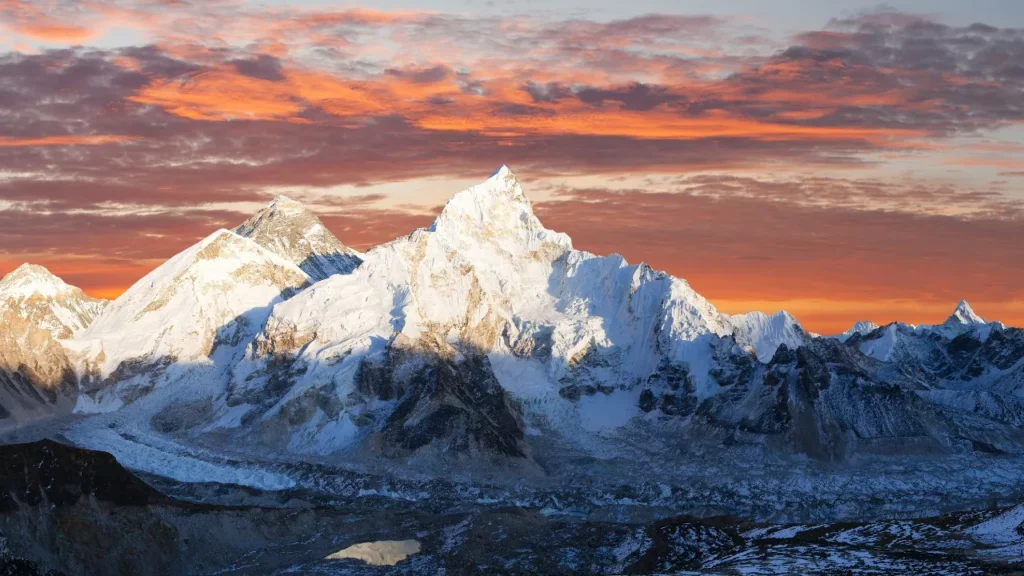
The North Face, accessed via Tibet, is less crowded but far more challenging. Climbers ascend the Northeast Ridge, a route exposed to stronger winds and colder temperatures, with fewer rescue options.
Key Advantages
- No Khumbu Icefall: Avoids one of the deadliest obstacles on Everest.
- Fewer Climbers: Offers a quieter, more solitary climbing experience.
- Technical Challenge: Appeals to highly skilled mountaineers seeking a more advanced expedition.
Challenges
- Harsh Weather Exposure: Strong winds and sub-zero temperatures are common year-round.
- Technical Climbing Sections: Features like the Second Step require advanced climbing skills.
- No High-Altitude Rescue: Helicopter evacuations are prohibited above Base Camp.
- Shorter Summit Windows: Fewer good-weather days, especially in spring.
Best Season: Late September to early November, when the weather is clearer but colder, and the jet stream moves slightly northward.
Conclusion
Climbing Mount Everest is the ultimate adventure, and choosing the right season and route is key to a safe and successful summit. Spring (March–May) on the South Face (Nepal) offers the most stable weather and longer summit windows, while Autumn (September–November) can be ideal for the North Face. Proper acclimatization, Sherpa support, and preparation are essential. Understanding Everest’s climbing seasons, costs, and routes ensures climbers maximize safety and success on the world’s highest peak. For personalized guidance and expert expedition planning, climbers can contact BeThere to make their Everest journey safe and memorable.
Table of Content
Frequently Asked Questions
1. Why are Sherpas helpful in climbing expeditions?
Sherpas are an integral part of Everest expeditions. They are highly experienced mountaineers familiar with the terrain, weather, and technical challenges. Sherpas:
- Carry heavy loads between camps
- Fix ropes and ladders on dangerous sections like the Khumbu Icefall
- Provide guidance and safety support
- Help with route navigation and emergency rescues
Their expertise significantly increases the success rate and safety of climbers, especially for first-time mountaineers.
2. How cold is it on the top of Mt Everest?
Temperatures at the summit can drop to -40°C (-40°F) or lower in winter, and even during spring, it can be around -20°C to -30°C (-4°F to -22°F). Wind chill can make it feel much colder, so extreme cold-weather gear and careful planning are essential for survival.
3. How many women have climbed Everest?
As of 2023, over 400 women have successfully summited Mount Everest. The number continues to rise, with female climbers increasingly participating in guided expeditions from both the South and North routes. Famous female climbers include Junko Tabei (first woman to summit, 1975) and Lhakpa Sherpa (most summits by a woman).
4. What are the eligibility criteria to climb Mount Everest?
To attempt Everest, climbers generally need:
- Prior experience on high-altitude climbs (7,000–8,000 meters)
- Good physical fitness and cardiovascular endurance
- Medical clearance for extreme altitudes
- Proper climbing permits from Nepal or Tibet
- Joining a licensed expedition company (highly recommended for first-time climbers).
While there is no formal age restriction, most climbers are between 18–60 years old.
5. Does Mount Everest always have snow?
Climbers should have strong cardiovascular endurance, good leg strength, and the ability to walk for 6–8 hours a day. Prior high-altitude experience helps, but is not mandatory with proper training and acclimatization.
6. Why does it cost so much to climb Everest?
Climbing Everest is expensive due to:
- Permit fees: ~$11,000 for Nepal, $8,000–$10,000 for Tibet
- Guides and Sherpa support: Professional Sherpas, oxygen, and logistics
- Equipment and gear: High-altitude climbing suits, boots, tents, and safety gear
- Travel and accommodations: Flights to Lukla or Lhasa, food, and base camp support
- Safety and insurance: High-altitude insurance and evacuation coverage
A well-prepared expedition ensures safety but comes with a premium price tag.
7. What is the 2 pm rule on Mount Everest?
The 2 pm rule is a critical safety guideline: climbers attempting the summit must turn back by 2 pm, even if they haven’t reached the top. This rule exists because:
- Descending into darkness is extremely dangerous
- The weather can change rapidly in the afternoon
- Oxygen and energy reserves are limited
Following this rule significantly reduces fatalities on the mountain and is standard among most guided expeditions.

Recent Blogs
Need help choosing a trail?
Connect with a local and plan your perfect trek.