
- PUBLISHED
Climbing Peaks in Nepal: Your Guide to a 6000-Meter Summit
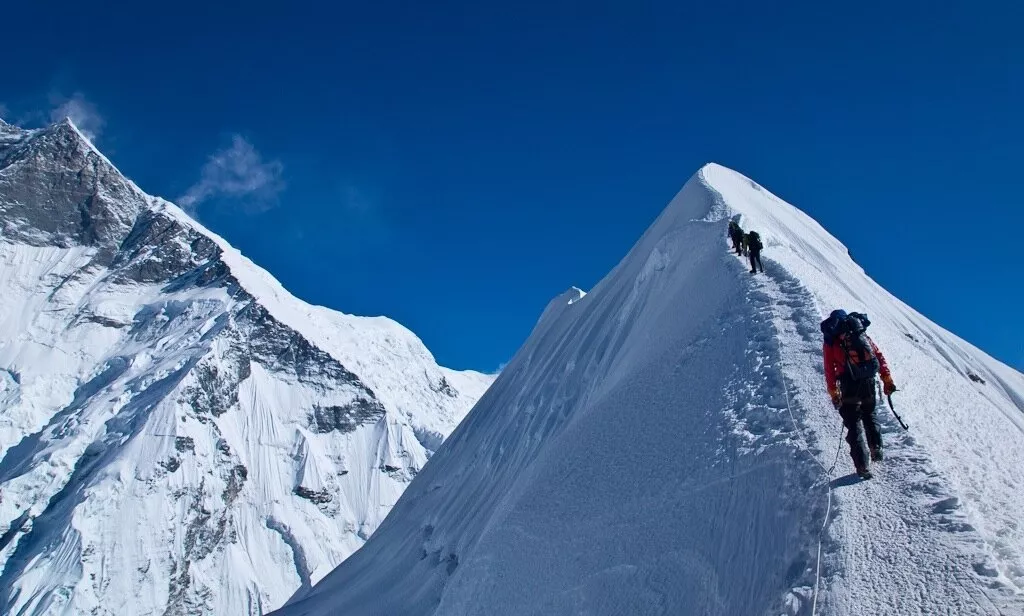
Imagine standing on top of a Himalayan giant, the world stretching out below you. This dream draws climbers to the peaks of Nepal. Among them, the 6000-meter trekking peaks offer the perfect challenge. They are the true heart of climbing peaks in Nepal, blending adventure with accessibility.
In this guide, we walk you through everything required to reach your summit. From building the right mindset and physical fitness for climbing, to choosing your perfect mountain peak in Nepal, mastering essential skills, and handling critical logistics. This is your roadmap for a safe and successful ascent into the world of serious Nepal mountain climbing.
Why Start with a 6000m Peak in Nepal?
For those setting their sights on climbing in Nepal, the 6000-meter peaks are the perfect, practical introduction. They provide the complete mountaineering package glacier travel, fundamental technical climbing, and the intense focus of a summit day but within a more accessible and achievable framework than the Himalayan giants. This makes them the ultimate training ground for aspiring alpinists.
In this tier of climbing peaks in Nepal, the adventure often begins on world-famous hiking trails. You might start your journey on the iconic path to Everest Base Camp before branching off to tackle Island Peak, blending a legendary trek with a true climbing objective. This combination means the journey to your chosen mountain peak in Nepal is as spectacular as the climb itself, offering a profound and integrated Nepal mountain climbing experience that builds skills and confidence for higher ambitions.

Get Your Head in the Game First
Before you hit the gym or buy gear, the most critical preparation happens between your ears. A seasoned mountain guide will tell you that respect for the mountain trumps raw strength every time. The environment dictates the pace and the rules. Cultivating patience, humility, and comfort with discomfort is what sustains you when your body begs to quit.
This mental resilience is the non-negotiable foundation. It’s what allows you to adapt when weather delays your summit push or when fatigue sets in deep. This mental toughness will save you when your body gets tired. It’s the first and most important step in learning how to prepare for mountain climbing.
Your Body: The 3-Month Mountain Machine
You can’t fake fitness at 6000 meters. Your training needs to be smart and specific.
Build Your Engine
Start with cardio. Long hikes, cycling, or swimming for 45-90 minutes, several times a week. This builds the aerobic base you need for long days and high altitude. It’s the core of preparation for high altitude.
Train Like You'll Climb
The best exercise is simple: walk up hills or stairs with a heavy backpack. Start with 10kg and work up to 15-20kg. This mimics the real effort of expedition climbing. Throw in some hill sprints to boost your lung power for thin air.
Learn the Skills
Don’t wait for base camp. Take a course to learn basic rope work, how to use crampons, and how to self-arrest with an ice axe. Being clumsy with gear is exhausting and dangerous.
The Two Non-Negotiables: Acclimatization and Skills
Acclimatization is Everything:
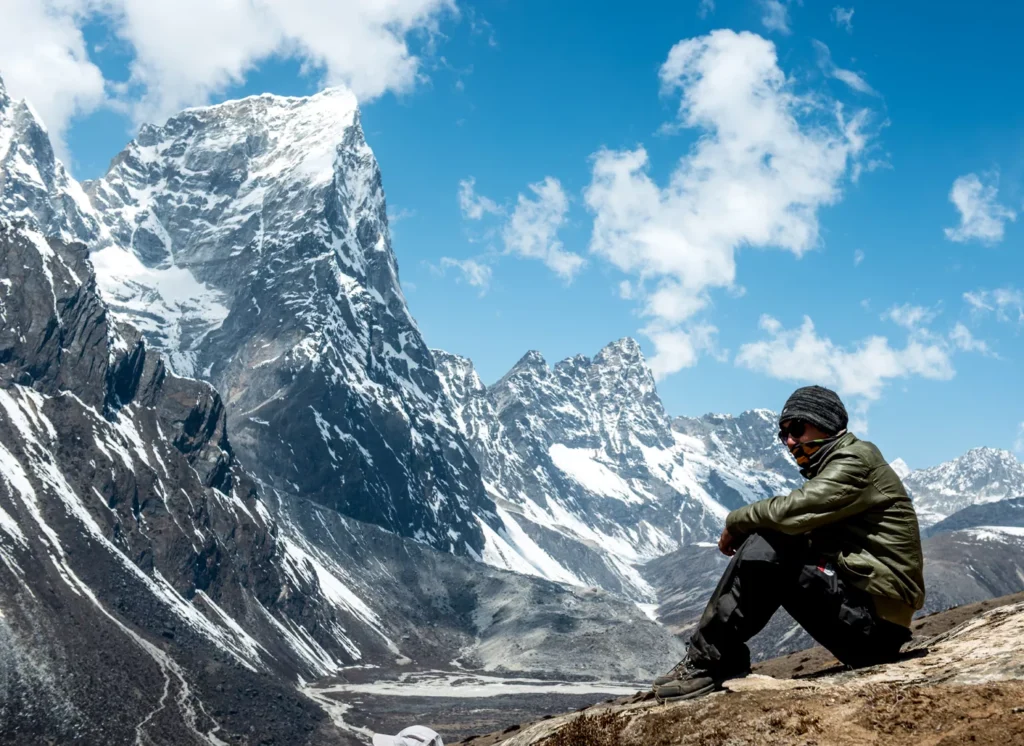
This is your #1 safety rule. Your body must slowly get used to having less oxygen. A good climbing schedule follows “climb high, sleep low.” You must understand the process of altitude acclimatization. Ignoring a headache or nausea can lead to serious altitude sickness. Listen to your guide and your body.
Master the Basics:
You need to be comfortable with fundamental skills like walking roped together on a glacier and using fixed lines. Confidence here saves crucial energy and keeps everyone safe. Practice these techniques until they become second nature. This proficiency allows you to move efficiently and respond calmly in exposed terrain, turning potential hazards into managed tasks. Solid foundational skills are the bedrock of any successful climb.
Choosing Your Mountain and Your Team
For Your First Climb:
- Island Peak (6,189m): The classic choice for a first Himalayan summit. The climb features one steep, technical headwall requiring fixed ropes, but with a solid guide, it is very achievable for a committed and fit beginner. Its location in the Everest region makes it a perfect add-on to a trek to Everest Base Camp.
- Mera Peak (6,476m): As the highest trekking peak, Mera Peak offers an incredible high-altitude challenge. It is less technically demanding than Island Peak but presents its own unique challenges with a longer, more remote approach and significant glacier travel, testing your endurance and acclimatization thoroughly.
- Yala Peak (5,732m): A superb, non-technical first climb that serves as a perfect high-altitude introduction. Located in the breathtaking Langtang Valley, it offers a more accessible adventure with equally stunning panoramic rewards and a deep cultural experience.
For Your Next Challenge:
- Lobuche East (6,119m): A significant step up in exposure and commitment. The final summit ridge is steep and airy, providing a true mountaineering thrill. Lobuche East demands greater technical confidence and comfort on exposed terrain.
- Chulu West (6,419m): This peak offers a more secluded and committing expedition feel in the Annapurna region. The climb involves sustained technical sections and rewards climbers with unparalleled, close-up views of other famous mountains of Nepal like Annapurna II and Manaslu.
For your first major climbing in Nepal expedition, partnering with a certified guide is not a luxury, it’s essential. This allows you to fully focus on the climb itself, learning safely while dramatically increasing your chances of a successful and rewarding summit.
The Practical Details: Permits, Gear, and Season
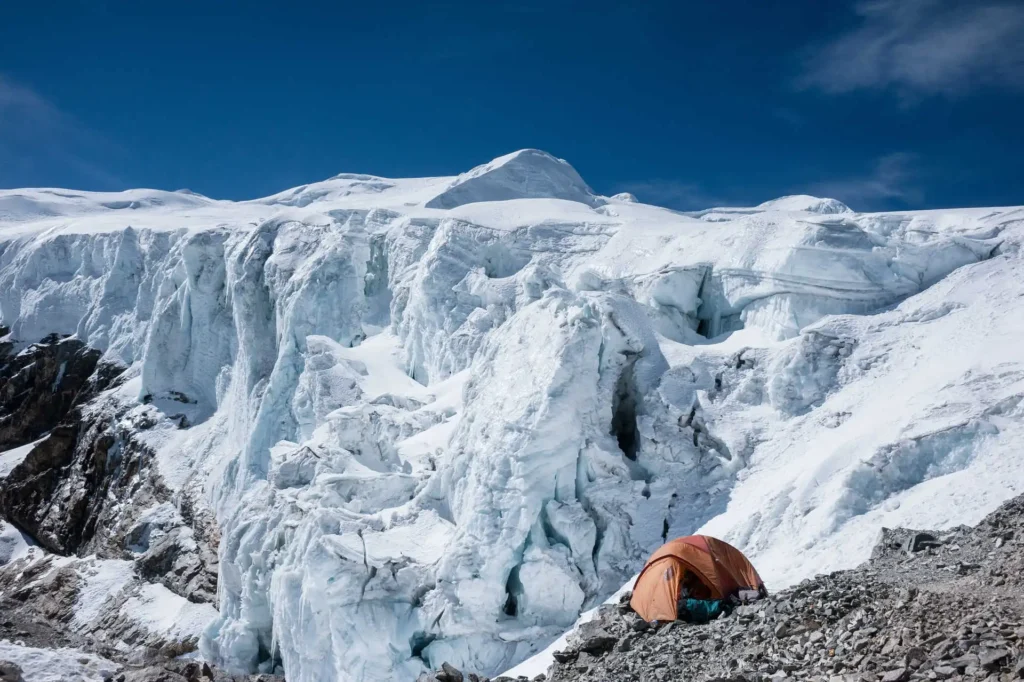
All major climbs require a permit from the Nepal Mountaineering Association. Your agency will handle this, but you’ll need to provide documents and insurance.
The essential gears needed in peak climbing are:
- Footwear: Insulated, double-layer mountaineering boots (broken-in).
- Clothing System: A full layering system (base, mid, insulated, waterproof shell).
- Technical Gear: Climbing helmet, mountaineering harness, crampons, ice axe.
- Sleeping System: A high-quality sleeping bag (rated -20°C or lower) and insulated sleeping pad.
- Packs: A large expedition pack (70-90L) and a smaller summit/daypack (30-40L). Knowing how to pack a trekking backpack for balance and access is a skill in itself.
The best seasons are spring (March-May) and autumn (September-November). These windows offer stable weather, clear skies, and the best conditions, aligning with the best seasons for trekking in Nepal
Conclusion
Climbing a 6000-meter peak in Nepal is a profound test. It’s about the early mornings, the shared struggle, and the quiet triumph of taking one more step upward. Do the training. Choose your team wisely.
Whether trekking or tackling a high-altitude climbing peak in Nepal, a journey with BeThere is built on safety, comfort, and stunning scenery.
Explore Related Blogs
Table of Content
Frequently Asked Questions
1. Can a beginner really climb a 6000m peak in Nepal?
Yes, absolutely. This is the main purpose of Nepal’s “trekking peaks.” With dedicated fitness training and a certified guide, first-timers can successfully summit popular peaks like Island Peak.
2. What's the biggest non-fitness challenge?
Altitude acclimatization is the universal challenge. It’s a slow, mandatory process where you must listen to your body. Ignoring symptoms like headaches can lead to serious sickness, making it the most critical safety factor.
3. Is hiring a guide mandatory?
For your safety and success, it is essential. A professional guide manages all logistics (like the NMA climbing permit), provides technical instruction on glaciers, and makes critical safety decisions, allowing you to focus entirely on climbing.
4. When is the absolute best time for this climb?
The spring (March-May) and autumn (September-November) seasons. These periods provide the most stable weather, clear skies, and firm snow conditions, which are fundamental for a safe and successful summit push.
5. What one piece of gear should I not compromise on?
Your mountaineering boots. They are your foundation. Ill-fitting or inadequate boots will cause blisters, cold injuries, and instability on technical terrain, jeopardizing your entire climbing in Nepal expedition before you even reach the difficult sections.
Need help choosing a trail?
Connect with a local and plan your perfect trek.