
- PUBLISHED
The Ultimate Langtang Valley Trek Guide for 2026
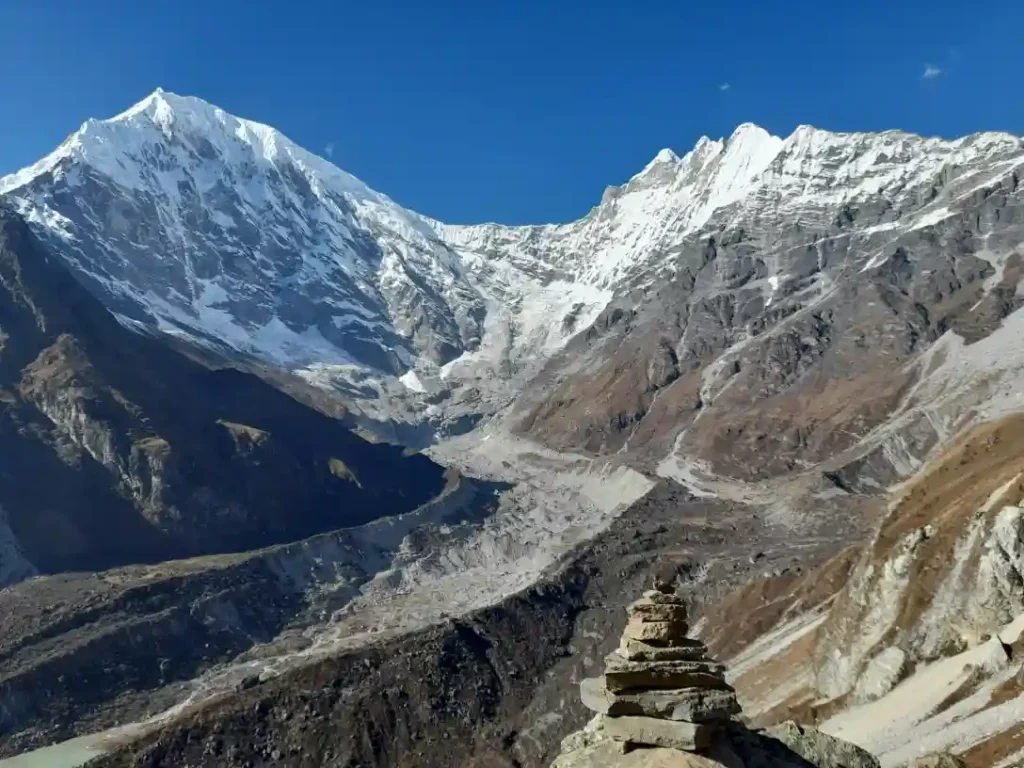
If you’re looking for a trek that combines stunning Himalayan mountain views, peaceful villages, and authentic culture, the Langtang Valley Trek is one of Nepal’s most rewarding adventures. This trek takes you through lush forests, sparkling rivers, and charming villages while giving you close encounters with the natural beauty of Langtang National Park.
Whether it’s your first trek in Nepal or you’re an experienced trekker, this trek guide will help you plan your journey, understand the trail, and enjoy the culture, wildlife, and scenery along the way.
Where is Langtang Valley located?
The Langtang Valley is located in the northern region of Nepal, about 80 kilometers north of Kathmandu, and is part of the Langtang National Park, Nepal’s first Himalayan national park. This region is home to majestic peaks such as Langtang Lirung, Kyanjin Ri, and Tserko Ri, offering trekkers breathtaking mountain views throughout the trail.
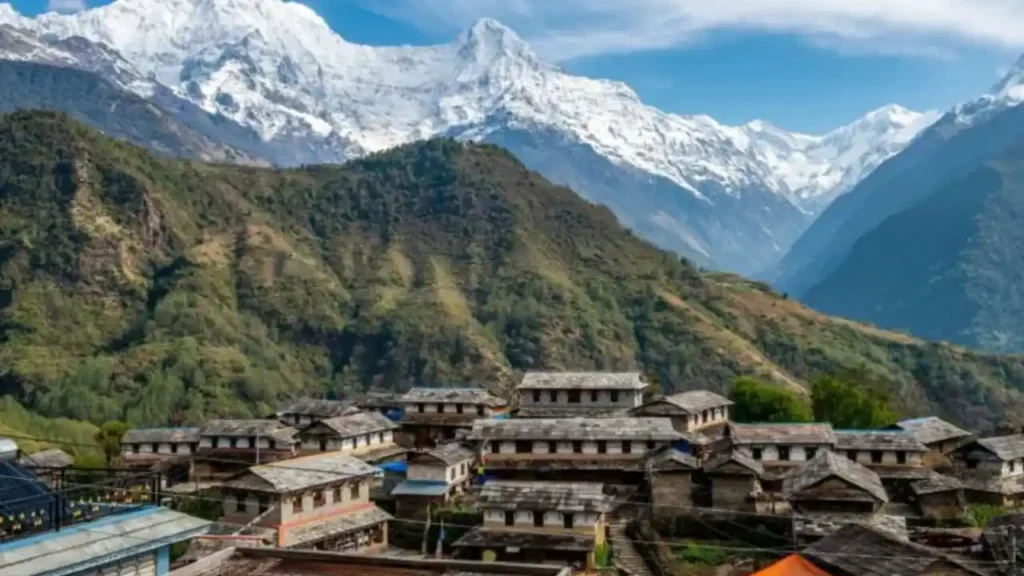
The valley is known for its lush forests, alpine meadows, and diverse wildlife. Trekkers often spot rare animals such as the red panda, Himalayan thar, and various bird species along the trail. The villages along the way, like Langtang village in Nepal, provide a unique glimpse into the traditions of the Tamang and Tibetan communities.
How to Reach Langtang Valley: Routes and Travel Tips
Most trekkers start in Kathmandu, the capital of Nepal. From there:
- Drive to Syabrubesi:
- Approximately 7–9 hours by private vehicle or tourist bus.
- The route passes through terraced hills, rivers, and small villages.
- Roads are mostly paved, but some sections can be rough during the monsoon.
- Approximately 7–9 hours by private vehicle or tourist bus.
- Trek from Syabrubesi:
- The journey begins through forested trails, riversides, and open meadows.
- You’ll pass through Lama Hotel, a common overnight stop and a base for exploring the valley.
- The journey begins through forested trails, riversides, and open meadows.
Tips:
- Hire a private car for comfort, especially if you carry trekking gear.
- Leave early in the morning to enjoy daylight and mountain views.
- If using public buses, start early as buses are often crowded and slower.
Best Time for Langtang Valley Trek
The best months to do the Langtang Valley Trek are:
- Spring (March–May): Rhododendron forests bloom with red and pink flowers. Clear skies and mild temperatures make trekking comfortable.
- Autumn (September–November): Stable weather, dry trails, and incredible mountain views. This is peak trekking season in Nepal.
Other seasons:
- Winter (December–February): Cold nights, occasional snow, and fewer trekkers. Ideal for solitude.
- Monsoon (June–August): Heavy rains make trails slippery, and landslides can occur. Not recommended for trekking. Trekking in the rain is challenging during this period
Spring and autumn are perfect for first-time trekkers, while winter is suited for adventure-seekers looking for solitude.
How Difficult is the Langtang Valley Trek?
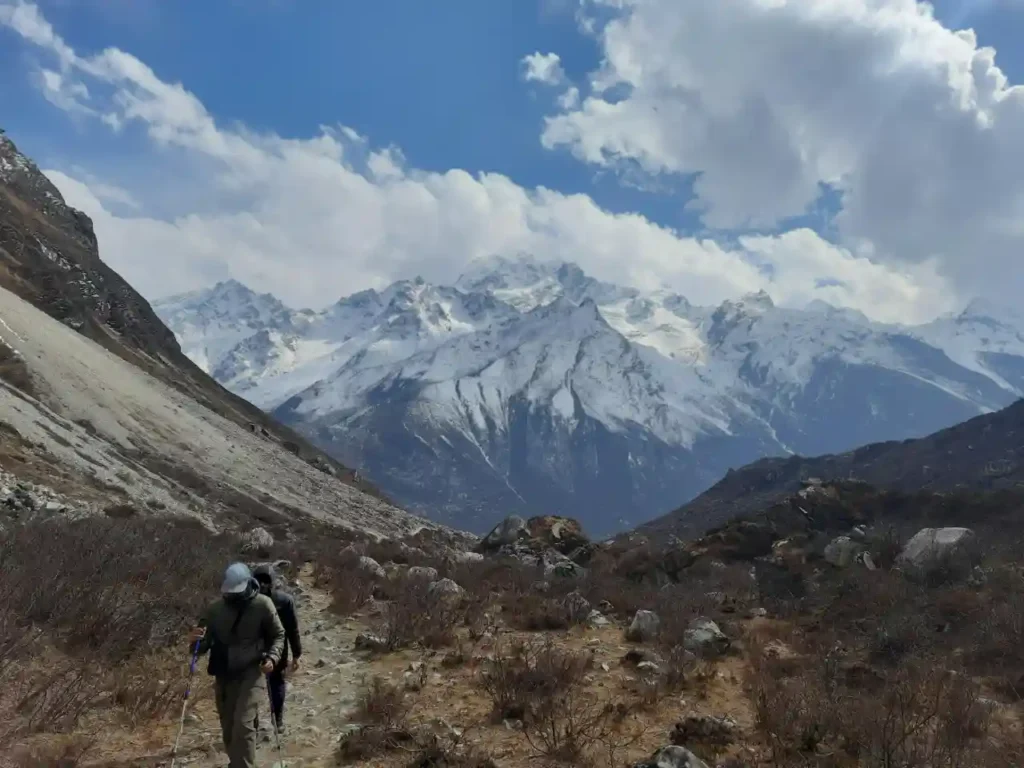
The Langtang Trek in Nepal is generally considered moderate in difficulty, making it suitable for beginners with some preparation as well as experienced trekkers looking for a rewarding adventure. While no technical climbing is required, the trek involves steady uphill walks, varied terrain, and high-altitude trekking, so a basic level of fitness and high-altitude trekking preparation is important.
- Altitude: The trail reaches a maximum of around 4,984 meters at Tserko Ri, offering breathtaking mountain views. Proper acclimatization is important to avoid altitude sickness.
- Daily Trekking: Most days involve 5–7 hours of walking, with some steep climbs, especially near Kyanjin Gompa and the high viewpoints like Kyanjin Ri.
- Terrain: You’ll trek through forests, riversides, alpine meadows, and rocky paths. Seasonal snow or rain can make some sections slippery. Along the way, you may encounter yak herders and sample yak cheese, a local specialty of Langtang Valley in Nepal.
- Fitness Tips:
- Do light cardio and endurance training before the trek.
- Practice hiking with a backpack to get used to trail conditions.
- Take rest and acclimatization seriously, especially at Kyanjin Gompa.
- Wear good trekking shoes with ankle support and consider using trekking poles for stability on steep or slippery trails.
With preparation and pacing, the Langtang Valley Trek is very doable and offers a mix of adventure, culture, and unforgettable Himalayan scenery.
Langtang Valley Trek Itinerary
Here’s a brief overview of what your trek might look like:
- Day 1: Arrival in Kathmandu (1,400 m)
Arrive in Kathmandu, organize trekking permits, and check gear for the Langtang Trek in Nepal. - Day 2: Drive to Syabrubesi (1,503 m)
Drive through hills, rivers, and rural villages to Syabrubesi, the trek’s starting point. - Day 3: Trek to Lama Hotel (2,500 m)
Begin trekking through forests and riversides, reaching Lama Hotel, a small village with lodges. - Day 4: Trek to Langtang Village, Nepal (3,430 m)
Follow trails into the valley, passing Tamang villages, prayer flags, and local monasteries. - Day 5: Trek to Kyanjin Gompa (3,830 m)
Ascend through alpine meadows and sparse forests to Kyanjin Gompa, surrounded by glaciers and peaks. - Day 6: Acclimatization & Hike to Kyanjin Ri (4,773 m) / Tserko Ri (4,984 m)
Rest day with optional hikes to high viewpoints for panoramic mountain views and glacier observation. - Day 7: Trek back to Lama Hotel (2,500 m)
Descend through alpine meadows and forest trails, passing small villages and streams. - Day 8: Trek to Syabrubesi (1,503 m)
Continue descending along riverside paths, ending the trekking section at Syabrubesi. - Day 9: Drive back to Kathmandu (1,400 m)
Return to Kathmandu through scenic hills and rivers, preparing for departure. - Day 10: Departure from Kathmandu
Transfer to the airport for onward flights or continue exploring Nepal.
Highlights of the trek:
- Spectacular Himalayan views including Langtang Lirung.
- Forested trails with chances to spot a red panda.
- Local culture in Langtang village, Nepal and nearby monasteries.
- Traditional foods and yak cheese tasting.
Permits and Regulations for Langtang Valley Trek
To trek in the Langtang Valley, you are required to obtain the following permits:
- TIMS Card (Trekkers’ Information Management System):
This card is mandatory for all trekkers in Nepal. It helps the Nepal Tourism Board track trekkers for safety and emergency purposes. The TIMS card can be obtained in Kathmandu before starting the trek or through a licensed trekking agency. - Langtang National Park Entry Permit:
The Langtang Valley lies within Langtang National Park, Nepal’s first Himalayan national park. The permit is required to enter and helps protect the valley’s unique biodiversity, including endangered species like the red panda, Himalayan thar, and various bird species. Fees collected contribute to conservation and park management.
Rules and Guidelines to Follow:
- Respect wildlife: Avoid disturbing animals, especially endangered species like the red panda. Keep a safe distance and do not feed them.
- Carry out your trash: Maintain the pristine environment by taking all litter back with you. Tea houses provide trash disposal, but personal responsibility is crucial.
- Dress modestly: Local villages and monasteries are culturally sensitive areas. Cover shoulders and knees when visiting villages or religious sites.
- Follow park regulations: Avoid cutting trees, picking plants, or creating fire hazards along trails.
Tips for Obtaining Permits:
- Permits can be arranged through licensed trekking agencies, which often include them in Langtang Trekking packages.
- If organizing independently, permits are available at Kathmandu’s Trekking Agencies’ Association or the Langtang National Park office.
Ready to Plan Your Langtang Valley Trek?
Take the stress out of planning and focus on the adventure. Contact our trekking experts to customize your Langtang Valley Trek itinerary, arrange permits, and book tea houses along the route. Start your Himalayan journey today!
Accommodation and Food on the Trek
Most trekkers stay in tea houses and lodges along the Langtang Valley Trek:
- Tea Houses: Simple rooms, basic beds, blankets, and sometimes heaters.
- Meals: Dal bhat (lentils and rice), momos, noodles, soups, and local specialties like yak cheese.
- Tips: Bring snacks for trekking days; meals may be lighter in smaller villages.
Popular stops include Lama Hotel, Langtang Village, and Kyanjin Gompa, offering comfortable resting points and cultural encounters.
Essential Gear and Packing List for Langtang Valley Trek
Clothing:
- Layered clothing for warmth.
- Fleece jackets and waterproof outer layers.
- Thermal base layers for high-altitude days.
Footwear:
- Sturdy trekking boots, warm socks, optional gaiters.
Gear:
- Daypack, trekking poles, headlamp, sleeping bag.
- Water purifier and reusable bottle.
Other Essentials:
- Sunscreen, sunglasses, lip balm, first aid kit.
- Passport copy, trekking permits, camera.
Smartly packing a trekking backpack makes the Langtang Valley Trek safer, more comfortable, and enjoyable.
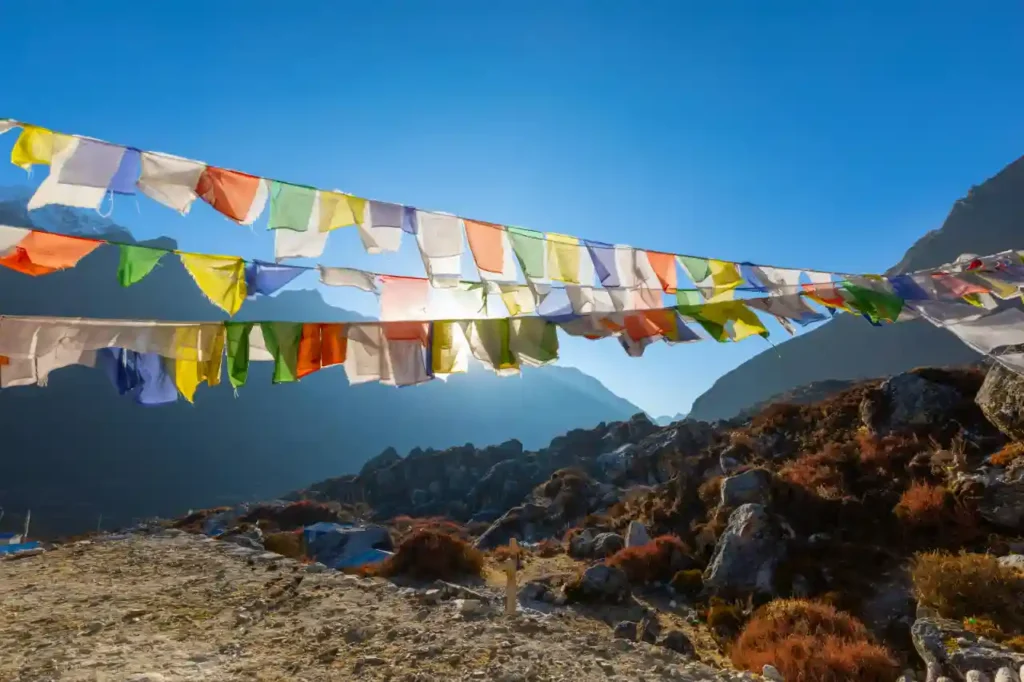
Culture and Traditions of Langtang Valley Villages
The Tamang and Tibetan communities living in Langtang Valley, Nepal, have preserved their rich culture for centuries.
- Villages feature traditional houses with prayer flags and small monasteries.
- Trekkers may witness religious ceremonies and local festivals.
- Locals offer yak cheese and traditional foods as part of hospitality.
Etiquette Tips:
- Ask before taking photos.
- Dress modestly in monasteries and villages.
- Avoid giving money to children; support community projects instead.
Tips for a Safe and Enjoyable Langtang Valley Trek
- Stay hydrated and eat regularly to avoid altitude sickness.
- Take rest days for acclimatization at Kyanjin Gompa.
- Use trekking poles to reduce stress on knees.
- Carry some cash in small denominations; tea houses often don’t accept cards.
- Protect electronics from rain and dust.
- Always respect local customs and wildlife.
Conclusion
The Langtang Valley Trek offers a perfect blend of adventure, culture, and natural beauty. From serene alpine meadows and lush forests to majestic peaks and traditional villages, this trek provides an unforgettable Himalayan experience. With proper preparation, permits, and respect for local culture and wildlife, the Langtang Valley Trek promises memories that will last a lifetime.
Explore Related Blogs
Table of Content
Frequently Asked Questions
1. How long does the Langtang Valley Trek take?
The trek usually takes 10–12 days, including the drive to Syabrubesi and return to Kathmandu. Some trekkers may extend the journey by a day or two to explore side trails, such as Kyanjin Ri or Tserko Ri, for better panoramic mountain views.
2. What is the starting point of the Langtang Valley Trek?
The trek typically starts from Syabrubesi, accessible via a scenic 7–9 hour drive from Kathmandu. From here, you’ll follow trails through forests, rivers, and traditional villages like Lama Hotel and Langtang Village, Nepal.
3. Is the Langtang Valley Trek difficult for beginners?
The trek is moderate in difficulty, suitable for beginners with proper preparation. Daily trekking hours are manageable, but the altitude reaches nearly 5,000 meters. Acclimatization and a moderate fitness level make the trek comfortable for most first-time trekkers.
4. Which is the best month or season to do the Langtang Valley Trek?
The ideal months are Spring (March–May) and Autumn (September–November). These seasons provide clear skies, comfortable temperatures, and spectacular mountain views. Winter offers solitude but is cold, and monsoon can be challenging with slippery trails.
5.How much does it cost to do the Langtang Valley Trek?
Costs vary based on whether you go independently or with a guide. A guided Langtang Trekking package typically ranges from $600–$900, including accommodations, meals, permits, and guide services. Independent trekkers may spend less, but must handle logistics themselves.
6. Do I need a permit for the Langtang Valley Trek?
Yes, two permits are required: a TIMS Card and Langtang National Park entry permit. These help protect the valley’s natural environment and wildlife, including endangered species like the red panda. Permits can be obtained in Kathmandu or through trekking agencies.

Need help choosing a trail?
Connect with a local and plan your perfect trek.