
- PUBLISHED
The Ultimate Guide To Tea House Trekking In Nepal
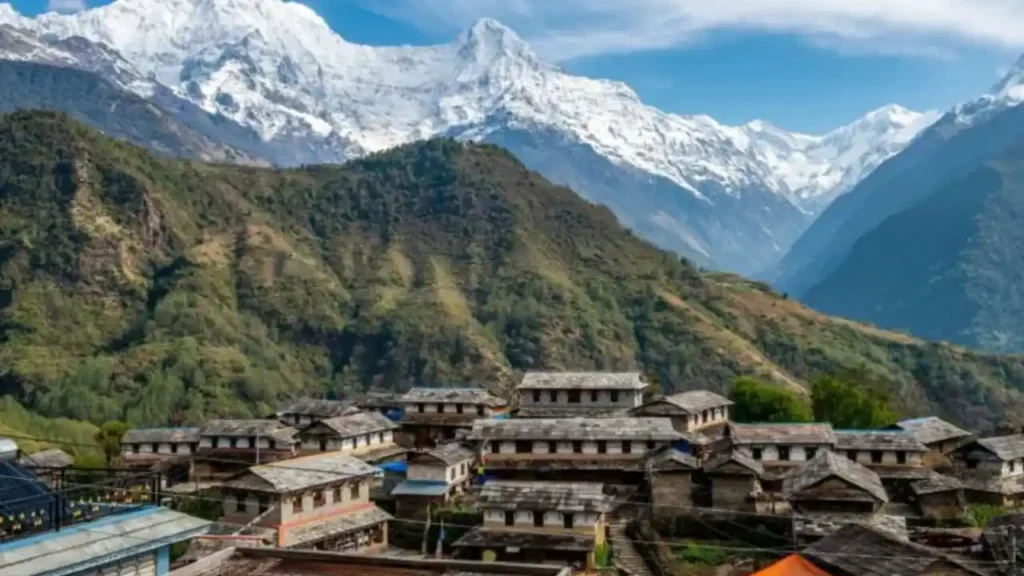
Teahouse trekking has become the most popular way to experience the Himalayas because it removes the need for heavy logistics. Whether you are a beginner or an experienced trekker, you can enjoy the mountains with just your essentials, knowing that food and shelter are waiting for you at the end of each day.
In this guide, we will cover what facilities you can expect in a nepal teahouse, including rooms, food, electricity, and internet. We will also explore the top regions for teahouse trekking, share essential packing tips, and help you choose the best tea house trek for your fitness level and adventure goals.
What is a Tea House in Nepal?
Tea houses are simple mountain lodges found along the major trekking routes in Nepal. Instead of carrying tents and cooking equipment, trekkers stay in these family-run establishments that offer a place to sleep, warm meals, and a welcoming atmosphere. The concept is straightforward: you walk from village to village, and each evening you rest in a Nepalese tea house along the trail.
What Facilities Can You Expect in a Tea House Trek in Nepal?
When you book a tea house trek, it helps to know what facilities await you. The experience varies depending on the region and altitude, but here is what you can generally expect.
Accommodation
Rooms in tea houses in Nepal are simple but sufficient. Most have twin beds with mattresses, pillows, and blankets. While rooms are small, they are typically clean.
The walls in nepalese tea houses can be thin, so carrying earplugs is a good idea if you are a light sleeper. Blankets are provided, but many trekkers prefer to bring their own sleeping bag for extra warmth and comfort, especially during colder months.
Dining Hall
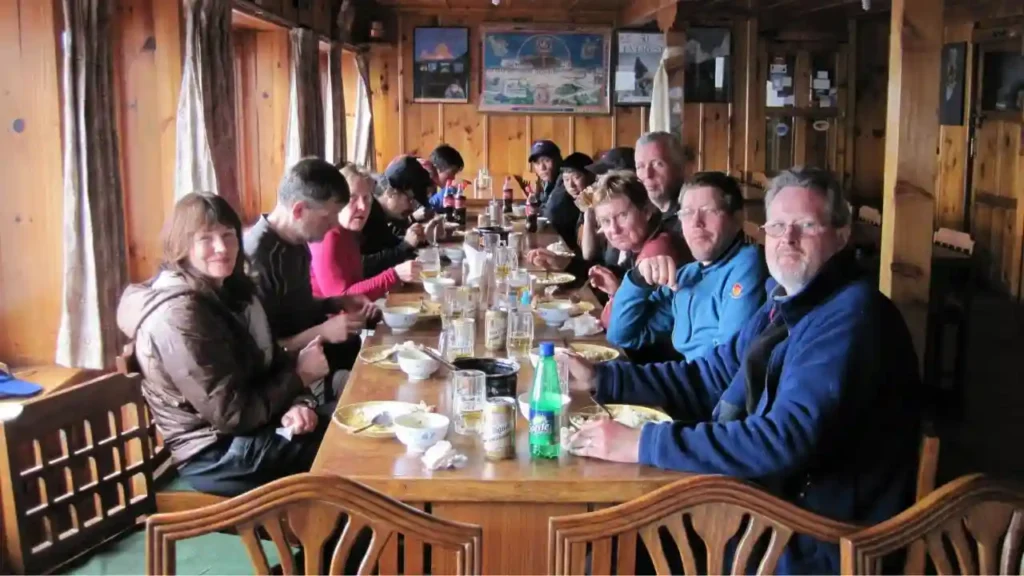
The dining hall is the heart of every teahouse in Nepal. This communal space is where trekkers gather to eat, share stories, and warm up around a traditional stove fueled by wood or yak dung. The atmosphere is friendly and informal, you can sit wherever you like and often end up sharing tables with people from all over the world.
Food and Beverages
One of the pleasant surprises of a teahouse trekking Nepal experience is the variety of food available. Most teahouses serve a mix of Nepalese, Tibetan, and Western dishes. Dal bhat, a hearty plate of rice, lentil soup, and vegetables is the most popular choice because it is nutritious and often comes with unlimited refills.
Other common options include momos (dumplings), fried rice, noodles, soups, pancakes, and even pizza or pasta in more developed areas. For beverages, you can enjoy black tea, milk tea, coffee, and the trekkers’ favorite: hot lemon ginger honey tea. Local beers and a traditional Nepalese wine called raksi are also available in many places.
Toiletries and Showers
Facilities are basic. Most tea houses in Nepal have shared bathrooms, and toilet paper is not always provided, so bringing your own is essential. Hand sanitizer and wet wipes are also recommended. In higher or more remote areas, you may find shared bathrooms with squat toilets, while more developed routes like Everest or Annapurna often have attached Western-style toilets.
Hot showers are available in many teahouses, but they often come with an additional fee. The water is typically heated by solar panels or gas, so it may not be very hot on cloudy days or at higher altitudes. It is always a good idea to ask about the cost before showering.
Electricity and Wi-Fi
Electricity is available in most nepal teahouses, though it may be limited to certain hours or areas. In lower regions, you can charge your devices in your room, but higher up, you may need to pay a small fee (around $1–$2) to charge phones and cameras in the dining area.
Wi-Fi is becoming more common on popular routes, but it is often slow, unreliable, and may require payment. Carrying a power bank is highly recommended, especially if you plan to take many photos or rely on your phone for navigation.
Why Choose a Teahouse Trek in Nepal?
There are several compelling reasons to opt for a tea house trekking in nepal experience over other forms of trekking.
Cost-Effective and Convenient
Teahouse trekking in Nepal is significantly cheaper than camping treks. You do not need to carry tents, cooking gear, or food supplies, which means a lighter backpack and fewer porters or guides required. This makes the overall cost much more manageable for travelers on a budget.
Cultural Immersion
Staying in nepalese tea houses gives you a unique opportunity to connect with local communities. You eat meals prepared by Nepalese families, sleep in their homes, and often share conversations that offer insight into their daily lives and traditions. It is a cultural experience that adds depth to your adventure.
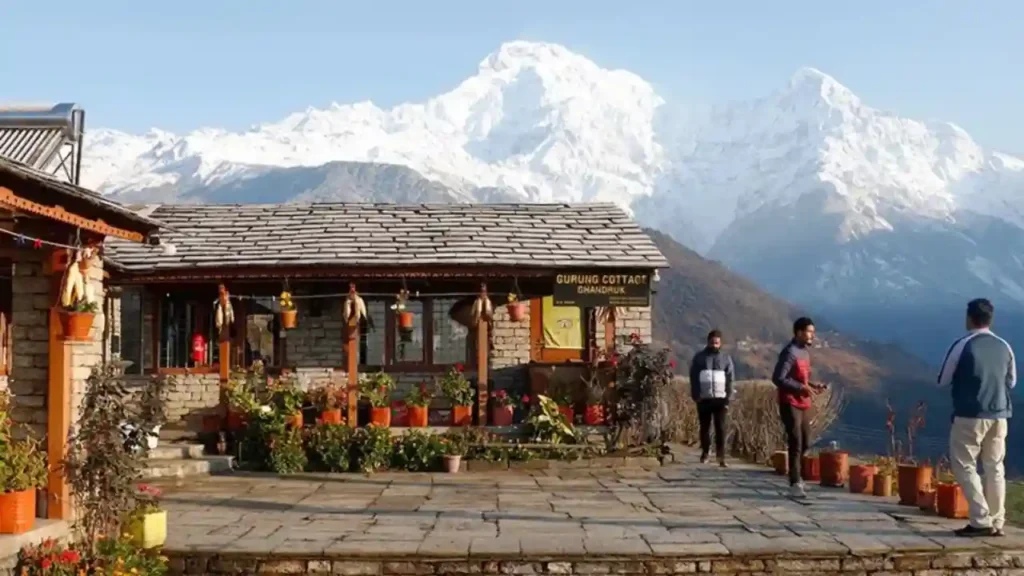
For a truly immersive cultural experience, consider trekking to Ghandruk Village in the Annapurna Region, where you can stay in family-run teahouses and learn about the rich heritage of the Gurung community firsthand.
Environmentally Friendlier
Choosing tea houses in Nepal supports sustainable tourism. You generate less waste than camping treks, and your spending directly benefits local economies. Many teahouses operate with solar power and other eco-friendly practices, making this a responsible way to explore the Himalayas.
Top Regions for Teahouse Trekking
Nepal offers several regions where nepal teahouse networks are well established. Each has its own character and appeal.
Everest Region
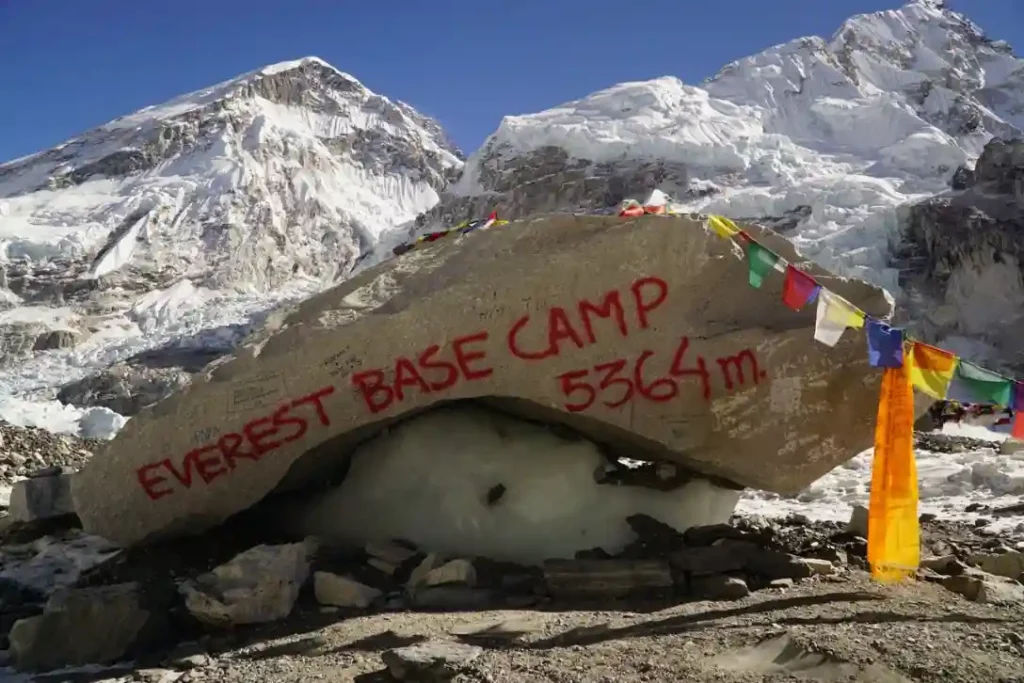
The Everest region is home to the most famous teahouse trekking nepal routes, including the Everest Base Camp trek. Here, nepal teahouses are well-developed, with better amenities like attached bathrooms, hot showers, and even Wi-Fi in some villages. Trekkers are rewarded with spectacular views of Mount Everest, Ama Dablam, and a rich Sherpa culture.
Annapurna Region
The Annapurna region offers a variety of treks, from the challenging Annapurna Circuit trek to the beginner-friendly Ghorepani Poon Hill trek. Nepal teahouses in this region are plentiful and offer warm hospitality, good food, and stunning views of the Annapurna and Dhaulagiri ranges. The diversity of landscapes from lush forests to high-altitude deserts makes this a favorite among trekkers.
Langtang Region
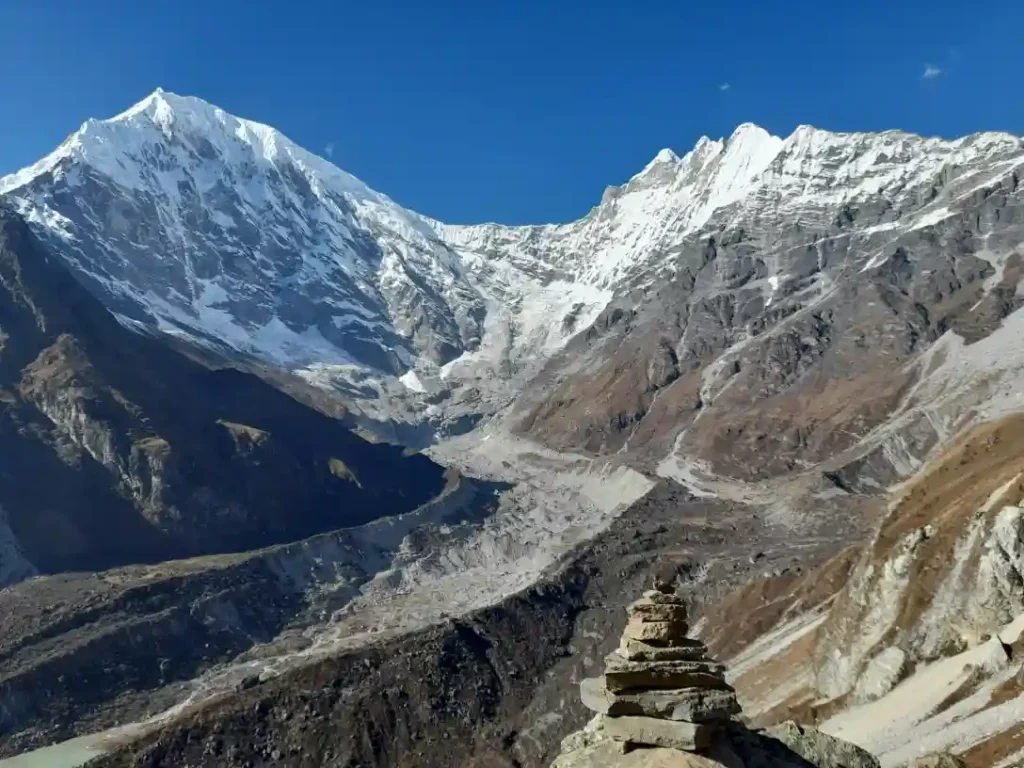
For those seeking a quieter experience, the Langtang trek is an excellent choice. Located closer to Kathmandu, it offers nepalese tea houses that have been rebuilt since the 2015 earthquake. The trek passes through beautiful forests, traditional villages, and offers close-up views of glaciers and snow-capped peaks. It is ideal for nature lovers and those who prefer less crowded trails.
What Should You Pack for a Tea House Trek?
Packing smart is essential for a successful teahouse trekking adventure. Learning how to pack a backpack properly ensures you carry everything you need without weighing yourself down.
Here are the things you will need:
- Clothing: Layering is key. Pack moisture-wicking base layers, a fleece or down jacket, a waterproof shell, trekking pants, sturdy boots, gloves, a warm cap, and flip-flops for the nepal teahouse.
- Sleeping Gear: A warm sleeping bag is essential, as tea houses in Nepal can get very cold at night.
- Trekking Essentials: Carry a headlamp, trekking poles, and a reusable water bottle with purification tablets or a filter.
- Sun Protection: Sunglasses, high-SPF sunscreen, and a wide-brimmed hat are a must against the intense mountain sun.
- Personal Items & Cash: Pack a basic first-aid kit, toiletries, toilet paper, wet wipes, a power bank, and plenty of cash since ATMs are not available in the mountains.
How to Choose the Best Teahouse Trek for You
With so many options, selecting the right nepal teahouse trek depends on your goals, fitness level, and available time.
Fitness and Experience Level
If you are new to trekking or short on time, consider shorter routes like the Ghorepani Poon Hill trek in the Annapurna region or the Helambu trek near Kathmandu. These offer beautiful scenery and comfortable nepal teahouses without extreme altitude.
For experienced trekkers seeking a challenge, the Everest Base Camp trek or Annapurna Circuit deliver stunning high-altitude experiences. These treks require good fitness, proper acclimatization, and more days on the trail.
Best Time of Year
The best seasons for trekking in Nepal are spring (March to May) and autumn (September to November). During these months, the weather is stable, skies are clear, and temperatures are moderate. Winter treks are possible but bring cold conditions and snow, while summer (monsoon) can make trails slippery and wet.
Purpose of Your Trip
Think about what you want to see. For big mountain views, head to Everest. For cultural diversity and varied landscapes, Annapurna is ideal. For peace, solitude, and close-to-Kathmandu convenience, Langtang is a wonderful choice. Each region offers a unique flavor of the nepal teahouse experience.
Conclusion
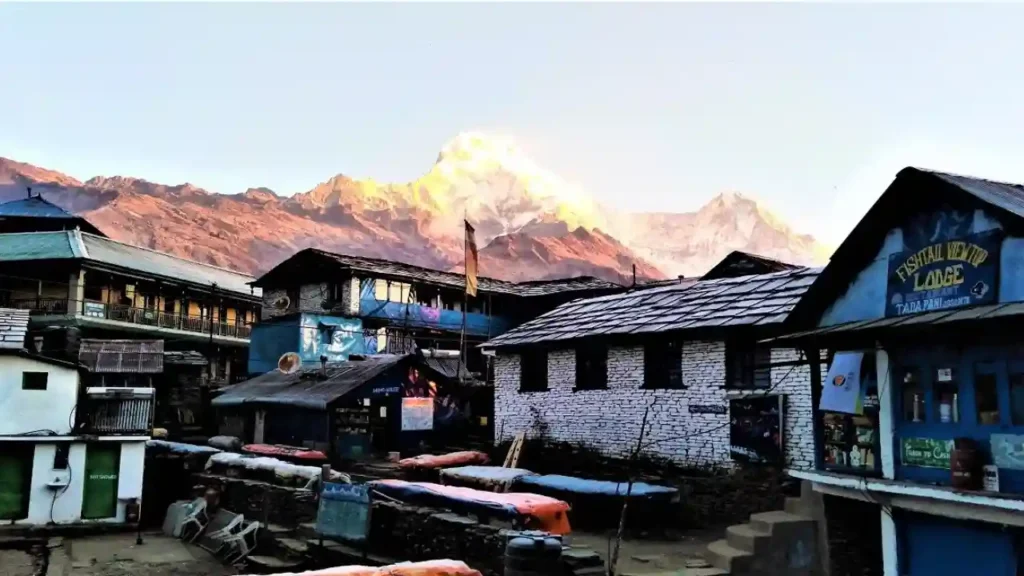
Teahouse trekking in Nepal is a simple, affordable, and immersive way to explore the Himalayas. With tea houses offering warm beds, hot meals, and local hospitality along every trail, all you need are your essentials and a sense of adventure. Whether it is your first trek or your tenth, the experience of staying in nepalese tea houses will stay with you forever.
Choose Bethere for your adventure and trek with peace of mind, knowing our certified guides are by your side to ensure every moment is safe, seamless, and unforgettable.
Table of Content
Frequently Asked Questions
1. What facilities can I expect in a Nepal teahouse?
Basic rooms with twin beds, blankets, communal dining hall, shared bathrooms, and hot showers for an extra fee. Electricity and Wi-Fi are available but may cost extra at higher altitudes.
2. What food is available at teahouses?
A mix of Nepalese, Tibetan, and Western dishes. Popular options include dal bhat, momos, fried rice, noodles, soups, pancakes, and pizza or pasta in developed areas.
3. Are there Western-style toilets in teahouses?
Western toilets are common on popular routes like Everest and Annapurna, but squat toilets remain standard in remote areas and at higher altitudes.
4. Do teahouses have hot showers?
Yes, most teahouses offer hot showers for an extra fee. Water is heated by solar or gas, so it may not be very hot on cloudy days.
5. What are the best regions for teahouse trekking?
Everest, Annapurna, and Langtang. Everest has well-developed teahouses, Annapurna offers diverse landscapes, and Langtang is less crowded and closer to Kathmandu.
6. Is teahouse trekking suitable for beginners?
Yes. Short routes like Ghorepani Poon Hill and Helambu offer beautiful scenery and comfortable teahouses without extreme altitude.

Need help choosing a trail?
Connect with a local and plan your perfect trek.